
Saving our rockpools: North Auckland ban now in place
Education - and enforcement - is vital to help protect our marine life

Taking the kids to peer into rockpools at the beach is a magical pastime. Seeing the sea anemones waving gently in the water, little crabs scuttling under rocks, starfish tucked into the sand, and even the odd octopus hiding in a crevice if you're lucky, is a memory etched in many childhoods. It's a magical experience - but it's one Kiwis are unlikely to have any longer, unless some very big changes are made.
March 12, 2026 marks the first day of a two-year ban on the gathering and harvesting of almost all marine life from rockpools on the east coast north of Auckland. The ban has been a long time coming - but it's far from a silver bullet, and it's going to take a village to ensure it has any effect.
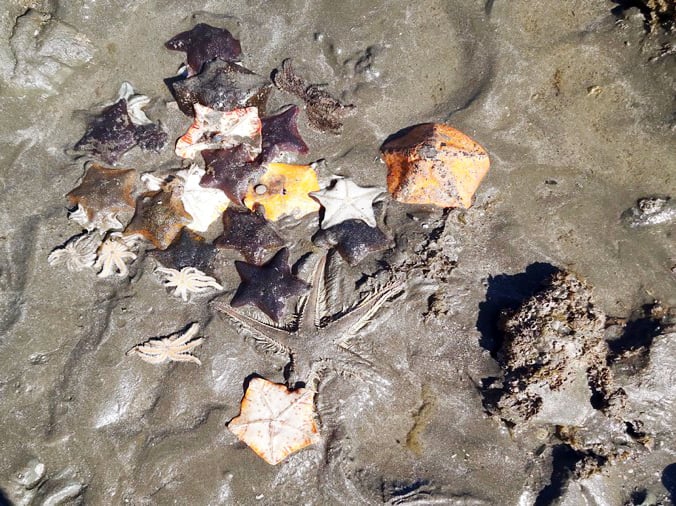
"Current rules allow people to take 50 items per person per day. That can be anemone, starfish, limpets, seaweeds - anything," says Mark Lenton, who has been instrumental in getting the local ban in place through his relentless work with the Protect Whangaparāoa Rockpools community, and getting the word out through mainstream media.
"Some people are unaware of the damage they are causing, so we're trying to educate as best we can. Yes, there's the mums and dads with kids picking up a bucket of cockles; however, a very big problem lies with influencers across social media platforms like TikTok and [Chinese social media platform] RedNote, who are encouraging people to come and take as much as they can.
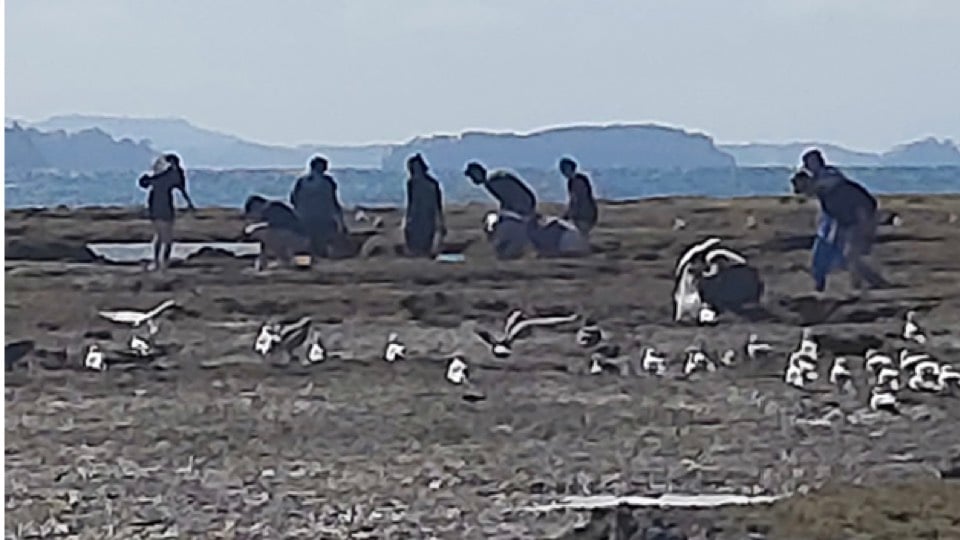
"We also know of commercial operators who are selling tools and buckets to paying customers, who pillage day and night. These organisations are employing migrant workers without visas, and we are working to expose them where we can. We see hundreds of people with hammers and tongs, axes, piano wire and buckets - all kinds of tools - stripping everything from the rocks.
"The influence of social media, encouraging people from other countries to collect, is massive."
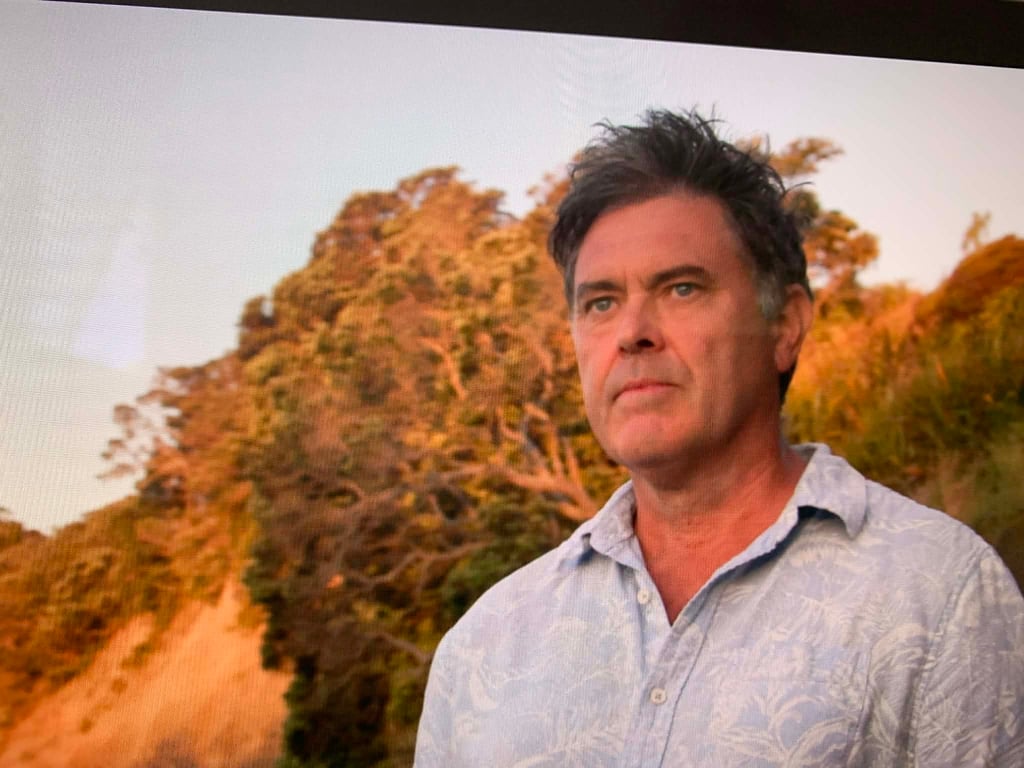
Lenton, who works in a senior lead role at a New Zealand bank, has lobbied CEO of Ngāti Manuhiri Settlement Trust Nicola MacDonald, MPI, Under Secretary for Oceans and Fisheries Jenny Marcroft, Oceans and Fisheries Minister Shane Jones, district councils and authorities, and many more organisations and individuals, in an effort to make people aware of the scale of the problem. It's an issue he first became aware of in November 2024, when he counted over 200 gatherers at a single beach. "Between them, they could have gathered 50 items each that day. That's 10,000 items gone in a day. Then imagine the impact of that happening every day."
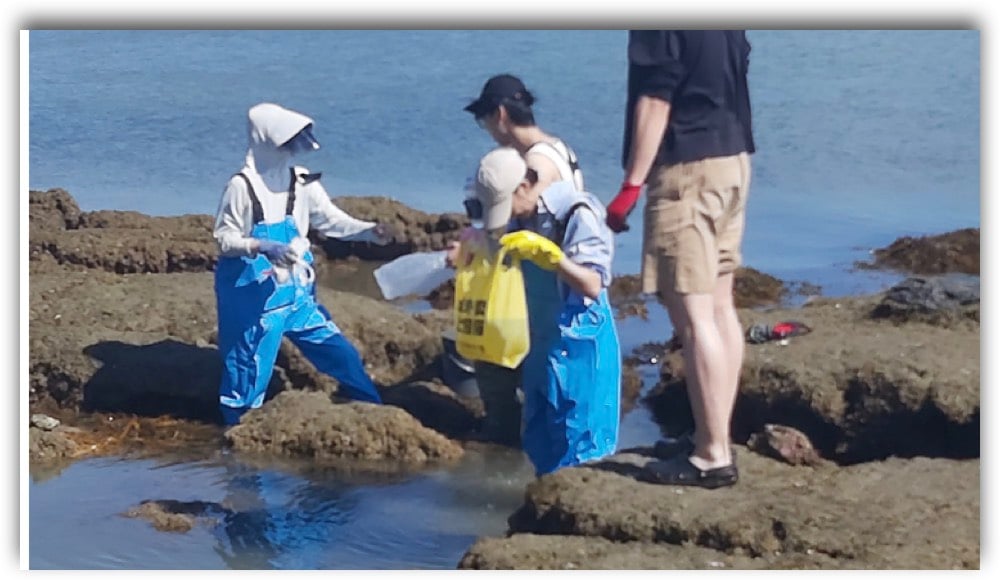
"People have been trying for years to stop the decimation of the rockpools, but many have lost faith, because organisations like MPI are so hamstrung by rules set in the '90s, and people can't - or won't - stop gathering," he says. "Fisheries has a role to enforce the old rules, but they don't protect. There are also less than 20 full-time Fisheries officers employed between Warkworth, north of Auckland, and South Auckland - less now than we had 20 years ago. The rest of the work is done by part-time officers and local communities like ours. Given protections are so loose, it's up to us to work together to make a difference."
Lenton is aware that Whangaparāoa is the tip of the iceberg when it comes to the destruction of intertidal areas. "East Coast Bays in Auckland was pretty much cleared out 10 years ago; the Nelson area has been hit pretty hard too, and Auckland's West Coast has been heavily hit - we're likely to see bans rolled out across places like Muriwai, Piha and Bethells Beach soon, and hopefully other places around the country will follow suit. Raglan, Gisborne, Hawke's Bay, Wellington - everywhere has been targeted," he says.
"Hopefully the bans will go nationwide in the near future, but the one in Whangaparāoa is a start. If we don't ensure the bans are upheld, and that people understand the ramifications of harvesting, nothing will change. Taranaki had a four-year ban that's due to be lifted later in the year, but because there hasn't been any education, there's been no change."
Leading the charge: What you can do
While government and local politicians are looking to extend the bans, there's only so much Fisheries officers can do, so it's up to us as a community, says Lenton, who has had a knife pulled on him twice while patrolling the beach. "It's important to be careful - our Fisheries officers actually wear stab-proof vests when patrolling for marine misuse, as it can be dangerous work. But there's plenty we can do."
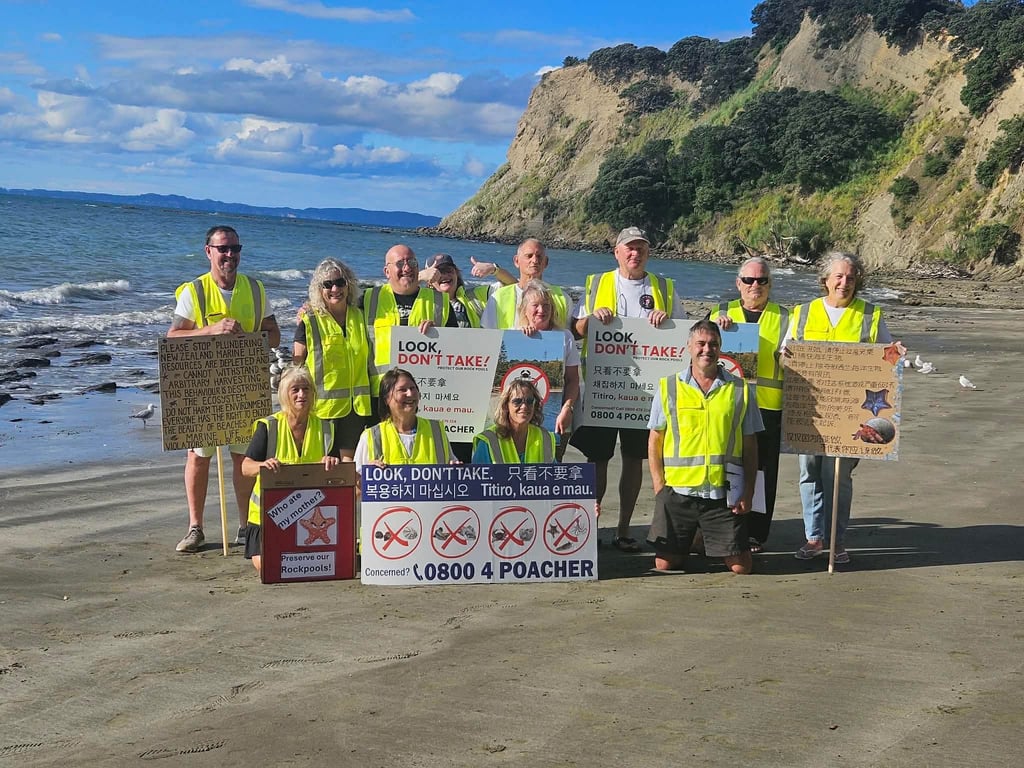
Lenton and other members of the Protect Whangaparāoa Rockpools group, and local community members, are actively targeting what he calls 'bucket people'. Many of them say they are collecting kina, as kina collection hasn't been banned, and he tries to explain that kina harvesting doesn't require the use of tools like piano wire and hammers. They talk with gatherers as best they can, and if that doesn't work, they are removing buckets of sea life and returning them to the ocean; however he is aware that there's potential for harm.
"We're not encouraging people to do anything that can inflame a situation, but we are encouraging people to be assertive," he says. "Explain that the ban means fines can reach up to $100,000, plus cars and tools. We do see some young people who are unaware of the bans because they've seen the possibilities of what they can collect on their social media, so we're trying to educate.
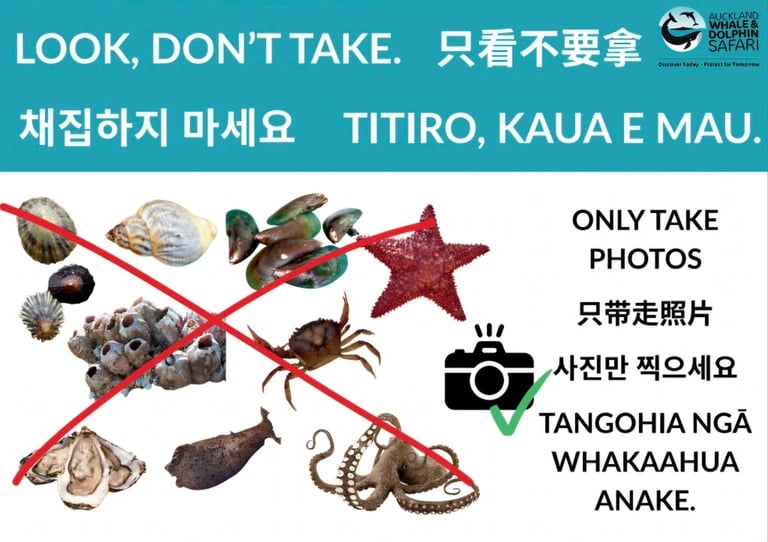
"We are also encouraging people to use the poaching line. The point is that we have to work together to highlight the issue and to educate people, or there simply won't be any life left."
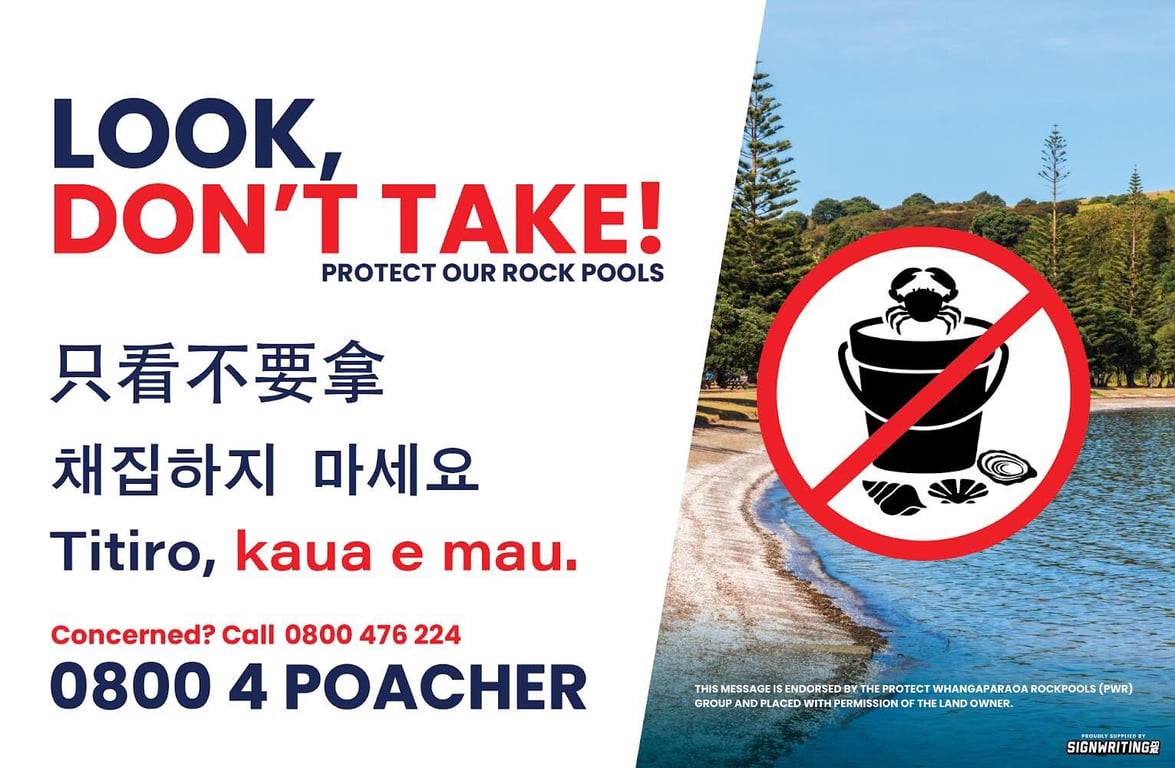
If you see illegal fishing and poaching, or you see what you believe are illegal activities call 0800-4-POACHER (0800 476 224).