
Two year ban on all rockpool harvesting north of Auckland announced
The temporary closure aims to allow depleted marine ecosystems to recover
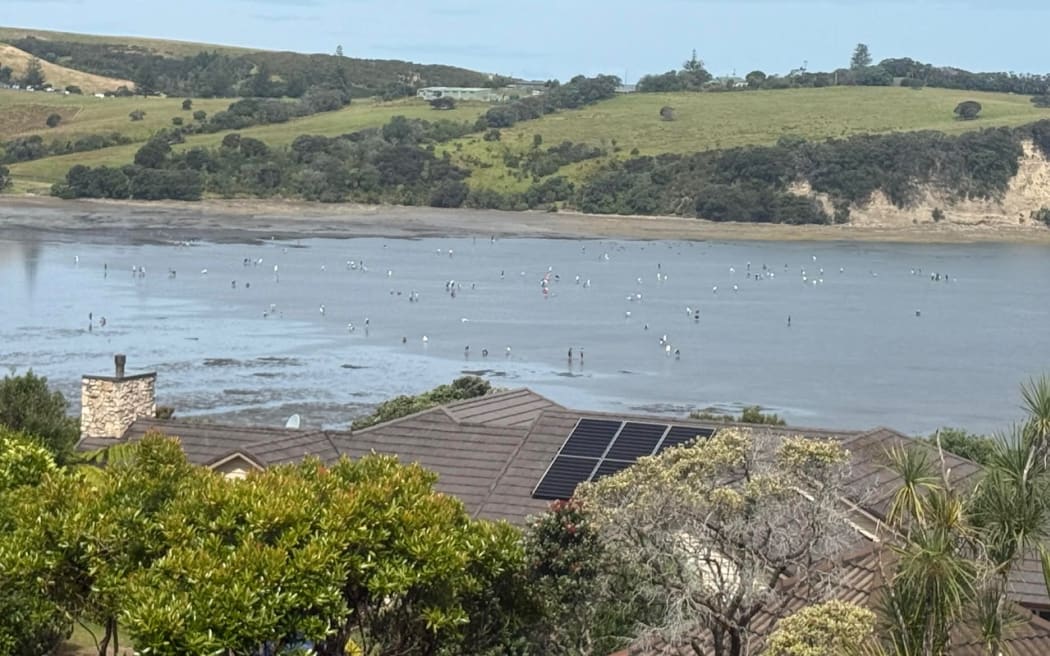

The collection of shellfish and seaweed is being banned for two years on the east coast north of Auckland following serious concerns about widespread over-harvesting.
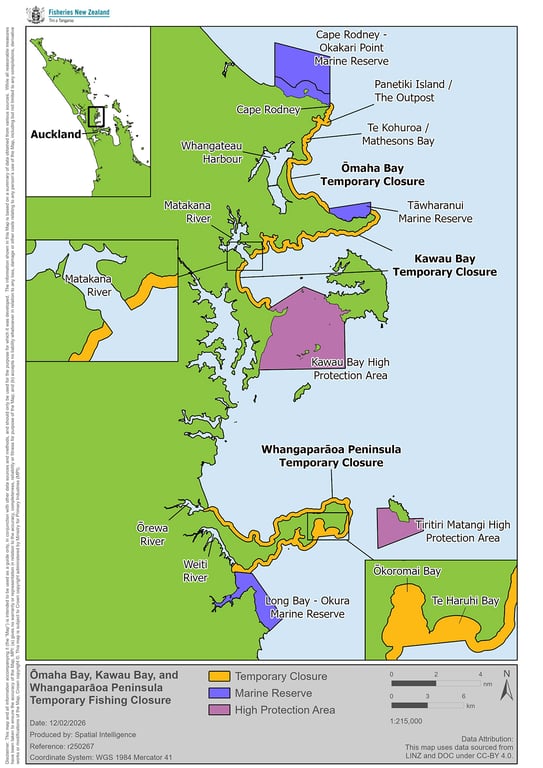
Oceans and Fisheries Minister Shane Jones announced the temporary closure on Sunday February 15, 2026, in the following areas:
- Ōmaha Bay: between the Cape Rodney-Okakari Point Marine Reserve and the Tāwharanui Marine Reserve, extending offshore to 200 metres. This closure also includes a 200-metre radius around Panetiki Island/The Outpost and the island in Te Kohuroa/Mathesons Bay.
- Kawau Bay: between the Tāwharanui Marine Reserve and the Kawau Bay High Protection Area (HPA), extending offshore to 200 metres.
- Whangaparāoa Peninsula: between the mouth of the Ōrewa River and the Long Bay-Okura Marine Reserve, extending offshore for approximately 200 metres. This closure also includes all of Ōkoromai Bay and Te Haruhi Bay.
"While most people who visit the coast do the right thing and gather only what is appropriate and legal, there are others who are exploiting it and taking so much that they are collapsing the fragile ecosystems," says Jones, adding that the ban was needed to halt the "wholesale stripping" of shellfish, seaweed and other creatures from intertidal areas.
The closure prohibits the harvesting of all seaweed species and invertebrate species. This includes - but is not limited to - shellfish and molluscs, crustaceans, jellyfish, sea anemones, sea squirts, sponges and starfish. The closure will be enforced by fisheries officers. Exceptions include kina, spiny rock lobster and scallops, which are already covered by other closures, and aquaculture operations such as marine farming or the collection of spat.
Jones says allowing kina to continue being harvested is intentional, with officials focused on managing 'kina barrens' in areas where the species has spread.
The ban follows a strong public reaction to the significant increase in people stripping areas completely bare of sea life.
"We not only see mums and dads, we also see busloads arriving at the beach, with buckets and tools, not only to take the more commonly consumed shellfish like oysters and mussels, but any marine plant or animal life that lives in the pools; hermit crabs, limpets, chiton, sea anemone, sea cucumber - anything that lives, no matter the size, goes in the bucket," Protect Whangaparāoa Rockpools group leader Mark Lenton told RNZ last month.
"If you have a group of ten, for example, which is what we often see, between them, they can take 500 starfish off one beach in a day. On a busy day at Army Bay, we may get anything between 100 and 2200 gatherers. That's 5,000 starfish in one day. That's happening at Army Bay, all along the Whangaparāoa Peninsula, all down the eastern and western coastlines of Auckland, and it's happening all over New Zealand."
Read more from
Dive Pacific
Dive Pacific is the media arm of the New Zealand Underwater Association