When Passion Becomes Profession
Diver Dave Pickering helps protect our marine paradise
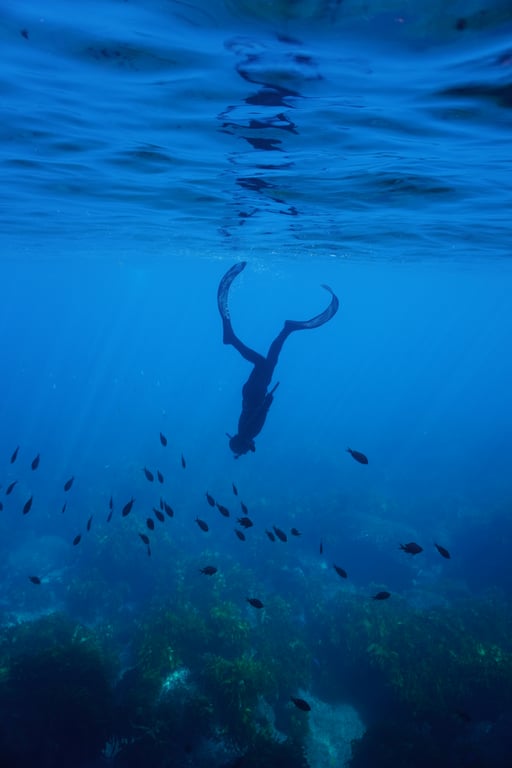

Landing a job that let him dive for a living felt like a natural progression for Dave Pickering.
Growing up in Mount Maunganui, he was always in the ocean – surfing, spearfishing and, from the age of 16, diving. Two years of studying marine science at Toi Ohomai Institute of Technology in Tauranga gave him the foundations of scientific diving skills, such as doing shellfish surveys, fish counts and field sampling. He also became a dive instructor.
Further study was an option, but instead he jumped when a role in marine biosecurity presented itself. And it was far more than just a chance to dive for work. Through that role he gained scientific dive qualifications, a skipper’s ticket and specialist training, which led to him working underwater inspecting vessel hulls, marinas and marine farms, and surveying reefs and sea beds for invasive species.
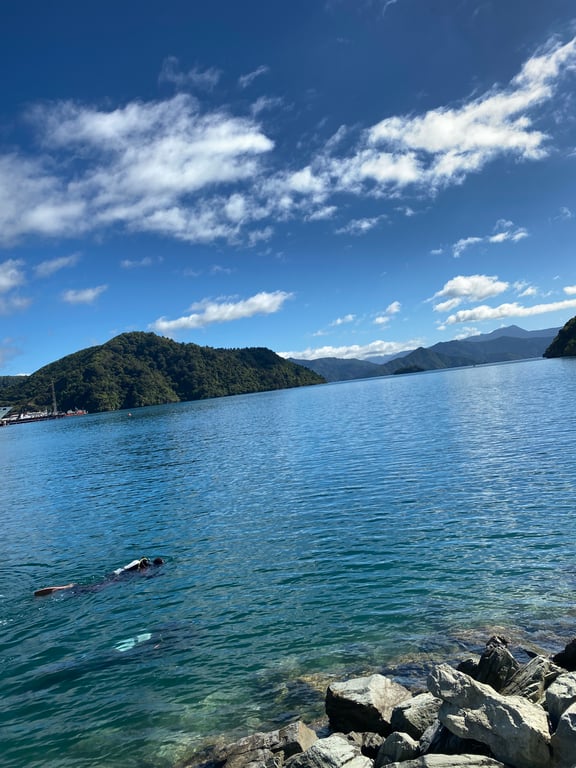
It has also turned into a career that has taken him diving around many parts of the country. From Northland to Fiordland, he’s worked in some of the country’s most remote and demanding environments.
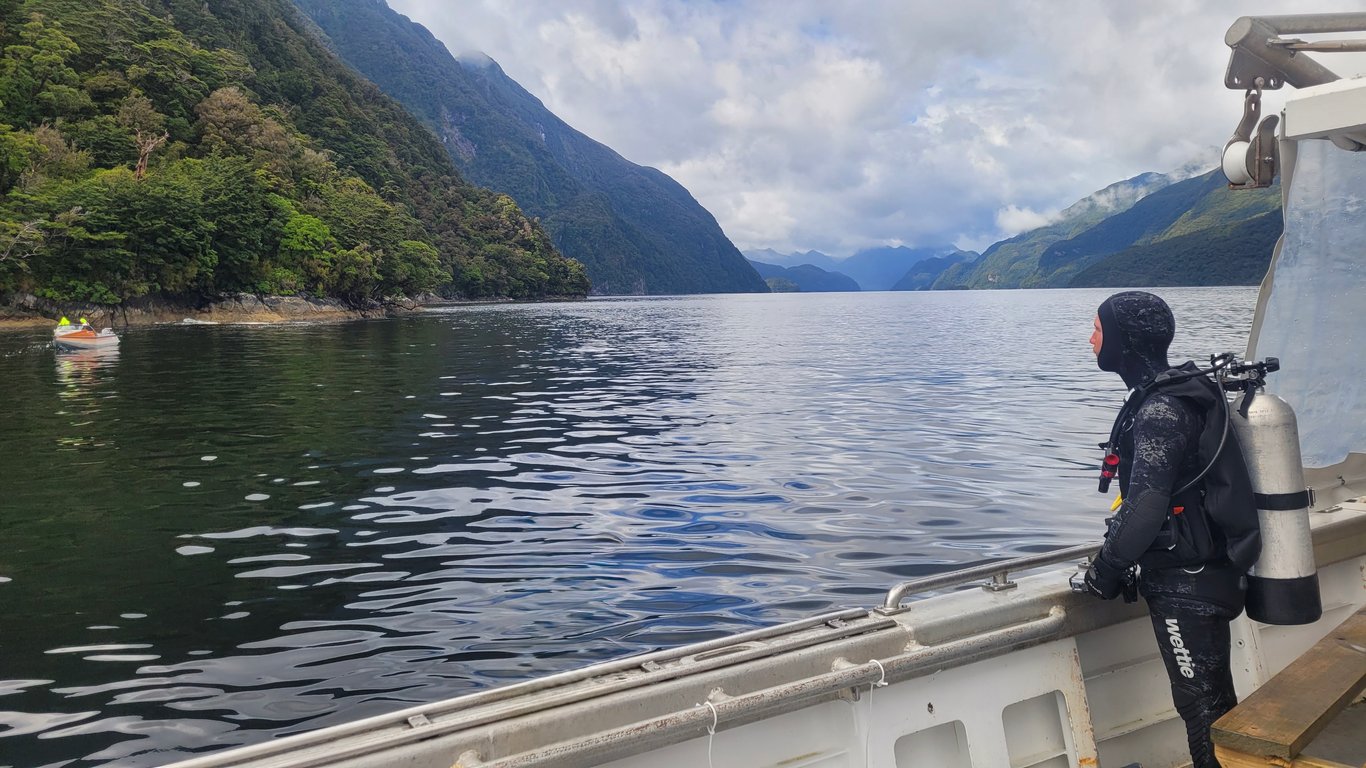
Dive teams are often small and tight-knit. “Trips can mean 8 to 10 days in remote locations, living and working together, diving in whatever conditions are thrown at you," he says. "Sometimes those conditions are brutal – like mid-winter southerlies or less than a metre of visibility under marina pontoons inspecting hulls. It takes stamina and trust in your team.”
Some moments stick with him more than others. He was involved in early monitoring work at Aotea Great Barrier Island in Hauraki Gulf after the highly invasive exotic caulerpa seaweed was discovered there in 2021. “It was pretty sobering,” he says. “At Blind Bay there were around 11 hectares of it – almost knee-high, smothering everything.” Experiences like that reinforce why the biosecurity work matters.
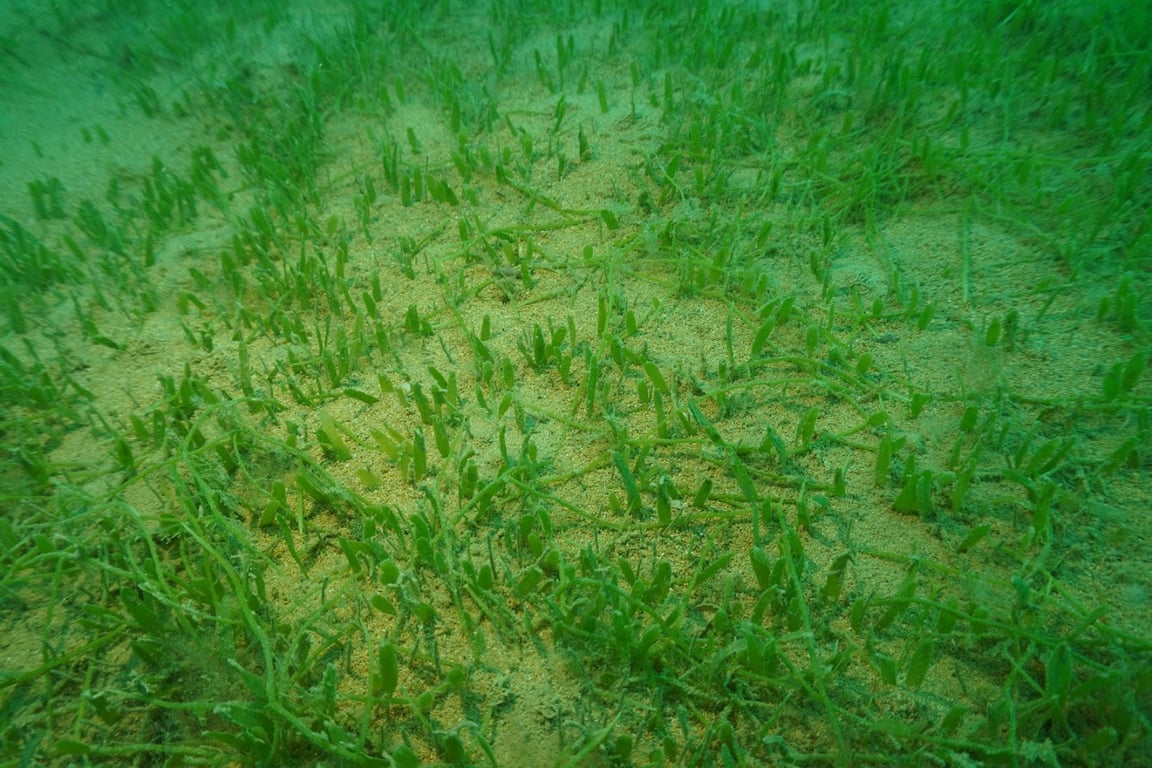
Now working as a marine biosecurity officer for the Waikato Regional Council, Dave still dives, but he’s also involved in mapping, developing new tools and public engagement and education – including working with the new Protect Our Paradise marine biosecurity campaign. Understanding the bigger picture gives more meaning to the time underwater, he finds. “When you know how the information will be used, it adds even more value to the diving.”
Exotic caulerpa has meanwhile become established in parts of the upper Coromandel Peninsula, along with other areas of Hauraki Gulf and Bay of Islands. Biosecurity New Zealand has established a national programme, working with other regional and national organisations to run surveillance, monitoring and research and to get control tools developed.
Dave believes recreational divers can play an important role in managing it. “It’s new to New Zealand so we are still learning how it will behave here. Divers see the underwater world really well. They’ll notice when something changes. Most people don’t get that perspective – and it means they don’t see what’s at stake.”
He’s worked with local operators such as Divezone Whitianga to create an interactive learning module about exotic caulerpa that divers can watch while waiting for a tank fill. This not only gives them more insight into the problem but also helps them identify it when they’re diving and be able to report any sightings.
Public reports can make a real difference, Dave emphasises. Recently someone alerted him to what they suspected was an unusual shrimp washed up on a beach. It turned out to be an invasive Japanese mantis shrimp – and it’s now safely preserved as a reference specimen.
“It’s small things like that,” Dave says. “When people take the time to report something unusual, it genuinely helps.”
For Dave, diving isn’t just a job. It’s a way of protecting the environments he grew up with – and still spends as much time in as possible.
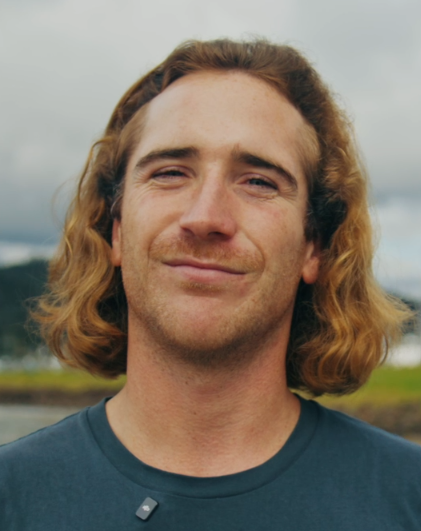
Dave's top dive tips
About Protect Our Paradise
Protect Our Paradise is a nationwide campaign that aims to connect divers, fishers and other boaties with the reasons they like to go out around New Zealand's coast and seas, and remind them to protect our boating, fishing and diving paradise for the future.
To find out more, visit biosecurity.govt.nz/boaties