
Unexpected treasure discovered in Marlborough Sounds
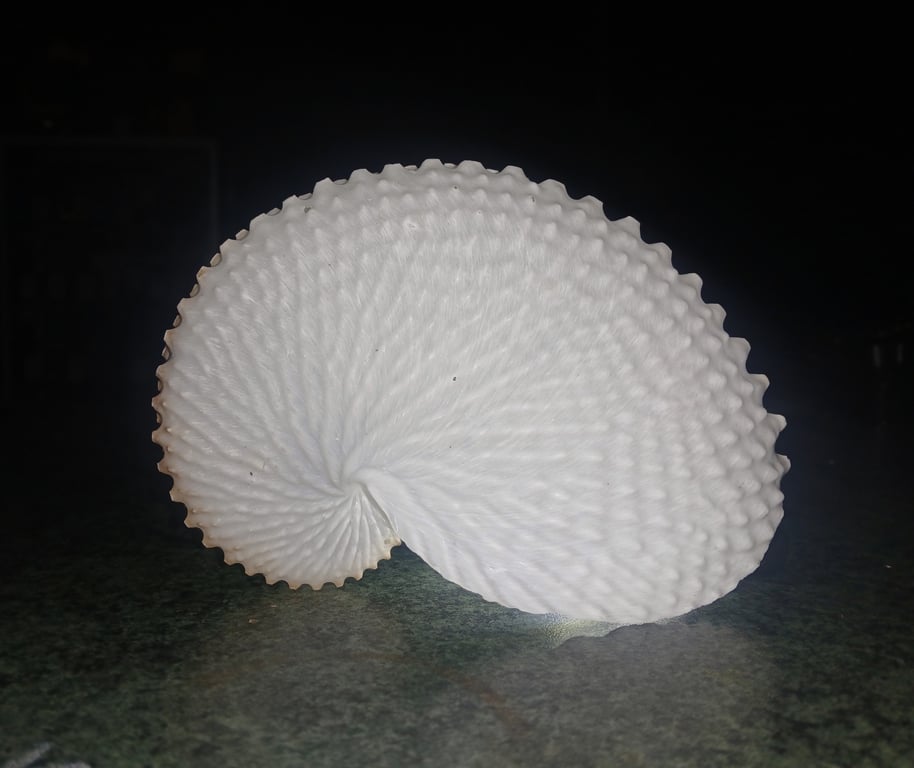
The stunning shell is now on display at the Waikawa Dive Centre
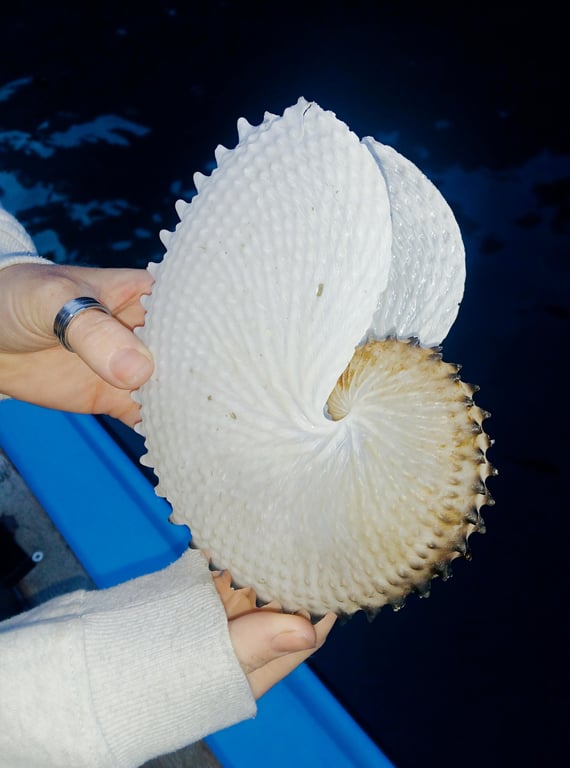

A couple of Auckland tourists discovered more than they bargained for on a recent dive trip at Waikawa Dive Centre in the Marlborough Sounds.
Although they were new to diving, Karen and Adam had come into the shop in Waikawa, northeast of Picton, for advice on freediving. When they returned later in the day to make a purchase, dive centre owner Stuart Scaife offered to take the pair out on the boat.
"They wanted advice on where to dive, and what catch bags and floats they should use for freediving, and I wanted them to experience the Sounds fully," says Stuart.
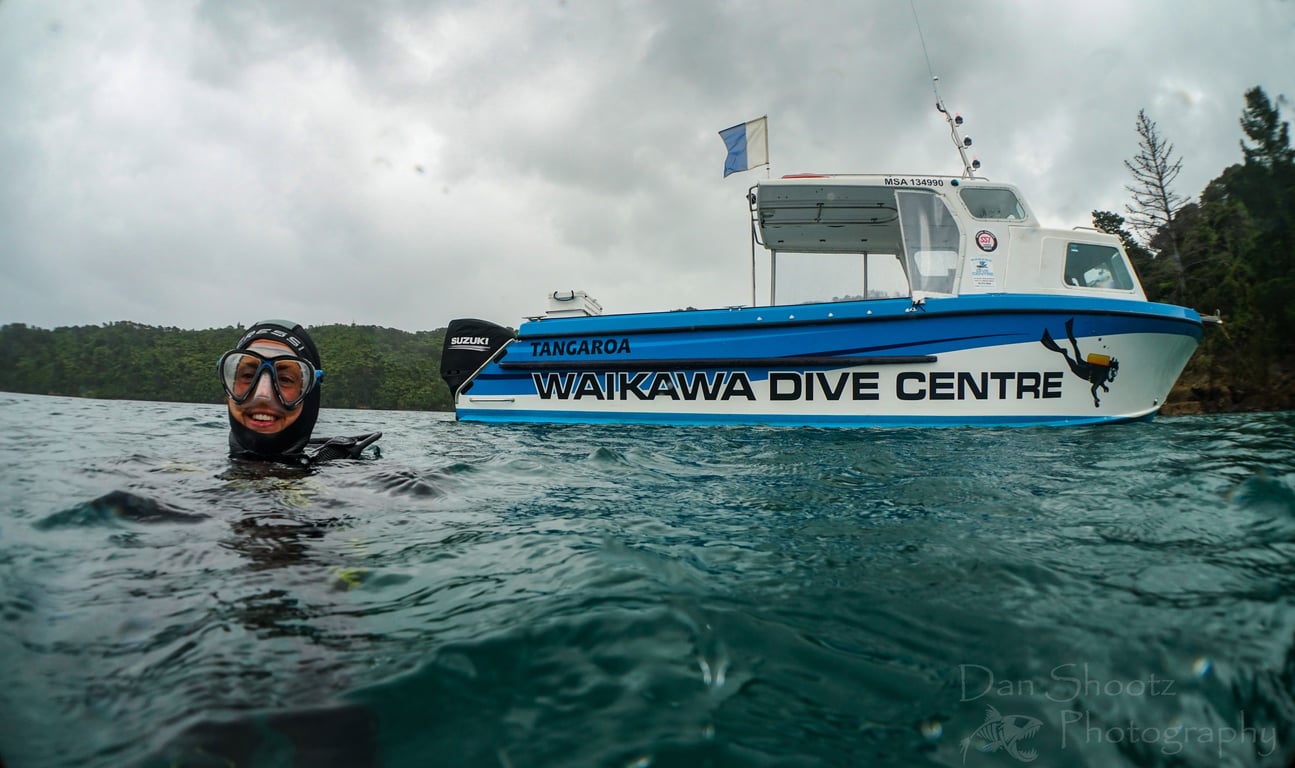
The group headed down Tory Channel and Clay Point, and the divers jumped in. "On our second dive, within minutes of entering the water, one swam towards the boat clutching a white object. He didn't know what it was, and the others on the boat hadn't seen a shell like it either," explains Stuart. "I told them it was special and explained it was a nautilus shell."
What is a nautilus shell?
A nautilus is a marine mollusc belonging to the cephalopod class, which also includes squid, octopi and cuttlefish; however, unlike their relatives, nautiluses live in a distinctive rigid, chambered shell. They live in open water in and around coral reefs in the Pacific and Indian Oceans, and have been known to exist as far back as the Late Triassic period (237 million to 201 million years ago). Research shows they have changed very little over the years, with Darwin describing them as 'living fossils'.
Nautiluses are the only cephalopods with an exoskeleton - all others' shells are kept inside their soft bodies. They are relatively long-lived, and can reach up to 20 years old. The shell contains multiple sealed chambers, which are perfectly proportioned mathematically and arranged in a logarithmic spiral, and increase in number as the animal grows. As each chamber seals, it partially fills with gas, giving the animal its buoyancy.
Do you have a great dive story you'd like to share? Contact us at editor@divepacific.co.nz