
Understanding Our Oceans: Seagrass & Rocky Reefs
Marine ecologist Anna Berthelsen develops techniques to restore coastal ecosystems
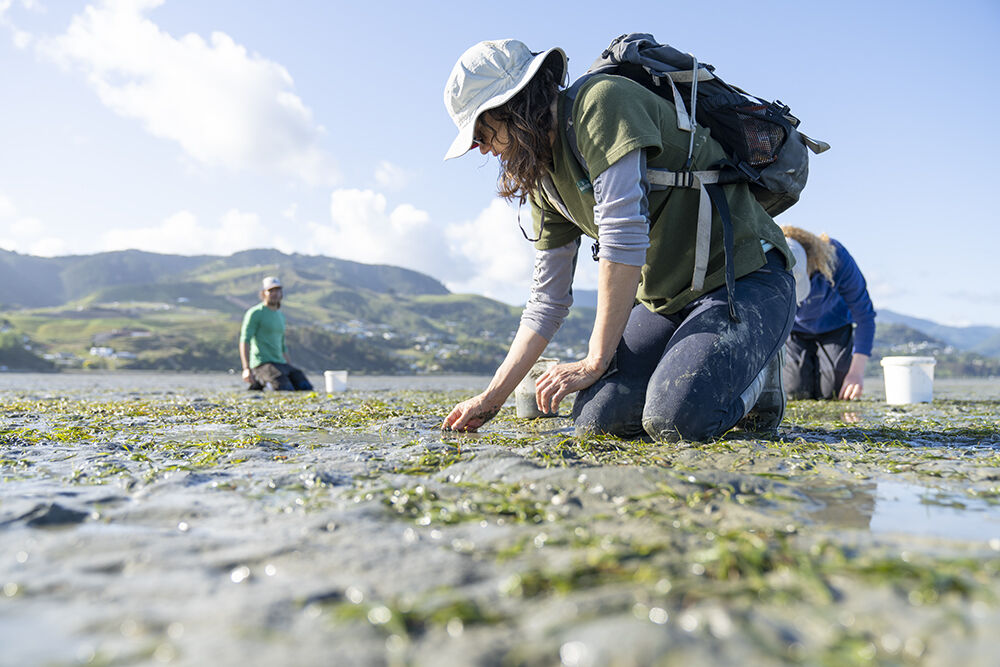

Seaweek is a nationwide initiative set up to bring Kiwis together to celebrate the wonders of the ocean, and to explore the ways our lives are connected to it. As part of Seaweek 2026, Dive Pacific met up with Anna Berthelsen from the Cawthron Institute to talk about her work helping to restore seagrass and rocky reefs in New Zealand.
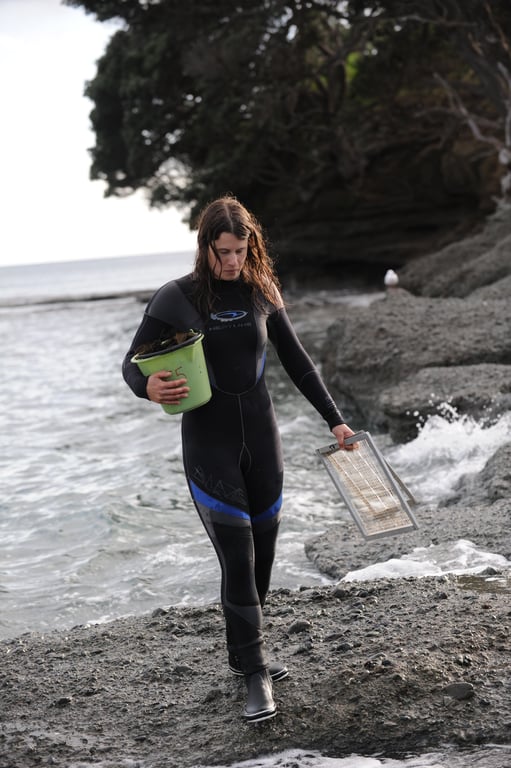
Marine ecologist and climate change team leader Anna Berthelsen is part of the Restoration Ecology Team at New Zealand's largest independent science organisation Cawthron Institute in Nelson. The Restoration Ecology team is part of the Institution's Healthy Oceans Group, which supports sustainable marine and coastal ecosystem management.
"Cawthron Institute has been around for over 100 years, and has done some amazing work researching and monitoring marine activity, but the Restoration Ecology Team was only set up in the past five years," explains Anna. "A lot of work was being done in monitoring the health of our marine environment, but we started to focus on restoration after we saw the obvious degradation that was taking place, both across New Zealand and the world. We wanted to be more active in dealing with the negative impacts we were seeing in the marine environment."
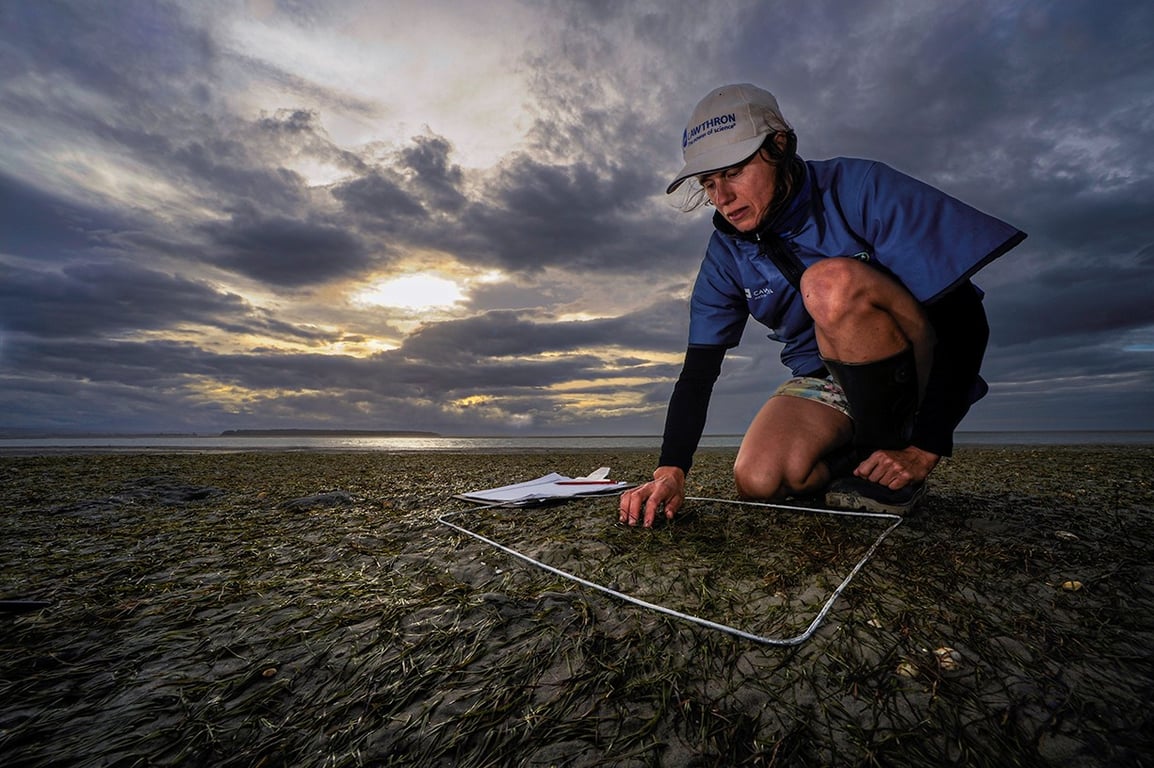
Anna's work focuses on the restoration and monitoring of seagrass and rocky reef systems. That includes keeping a close eye on what's affecting different parts of the country. "There is different emphasis on different areas, depending on what they are dealing with," she explains. "As part of our monitoring the health of the environment, we monitor inter-tidal and sub-tidal rocky reefs for local councils, but ultimately, each community also has a responsibility to look after their own area.
"Being able to peer into rockpools and investigating what you can see is part of the magic of childhood - it was certainly a magical part of my childhood. We need to protect what we love."
Saving seagrass
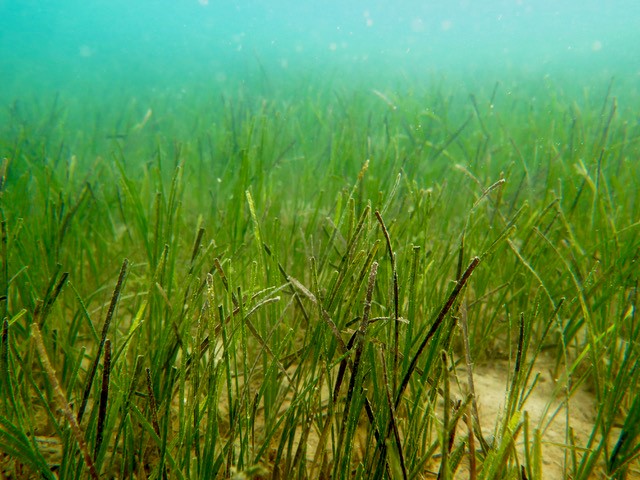
While both seaweeds and seagrass have similar names, they have very different origins. "Both are important species for a healthy environment, but they have different taxonomy," explains Anna. "Seaweeds are algae, while seagrass is actually the world's only marine flowering plant. Every other flowering plant lives on land, but somehow this one has made its way into the ocean.
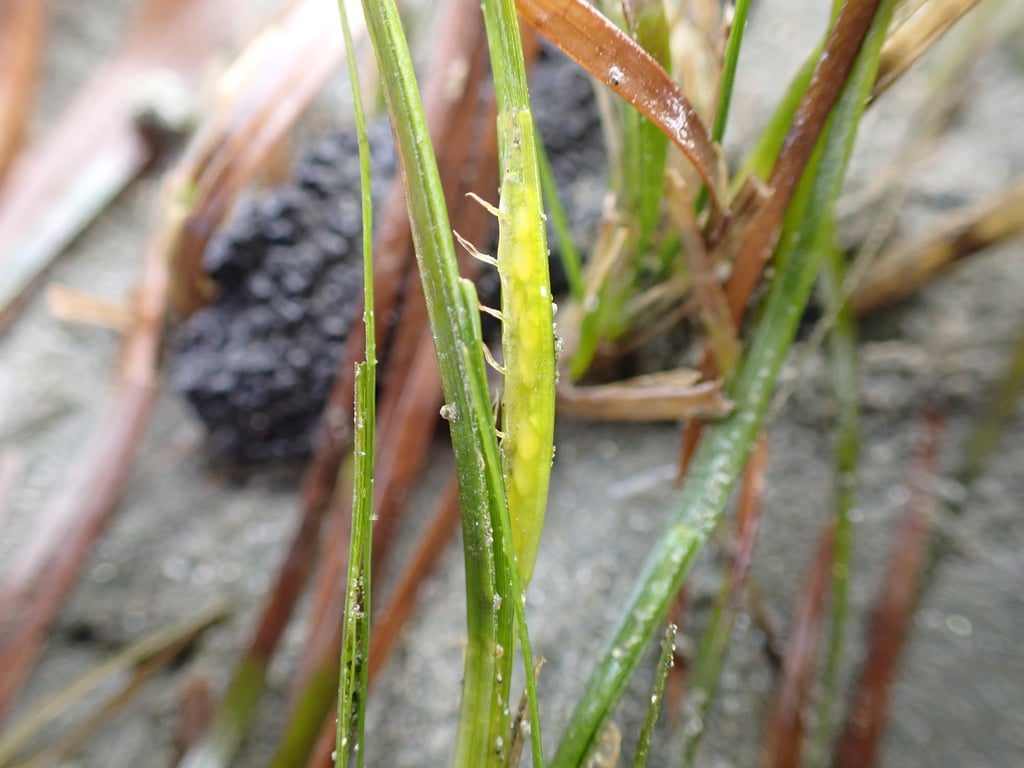
"Seagrass is a biodiversity hotspot, as many species are reliant on it, from little animals like crustaceans and shellfish, to foraging birds on the sandflats. In the Kaipara area it's also home to nurseries for baby snapper."
nn
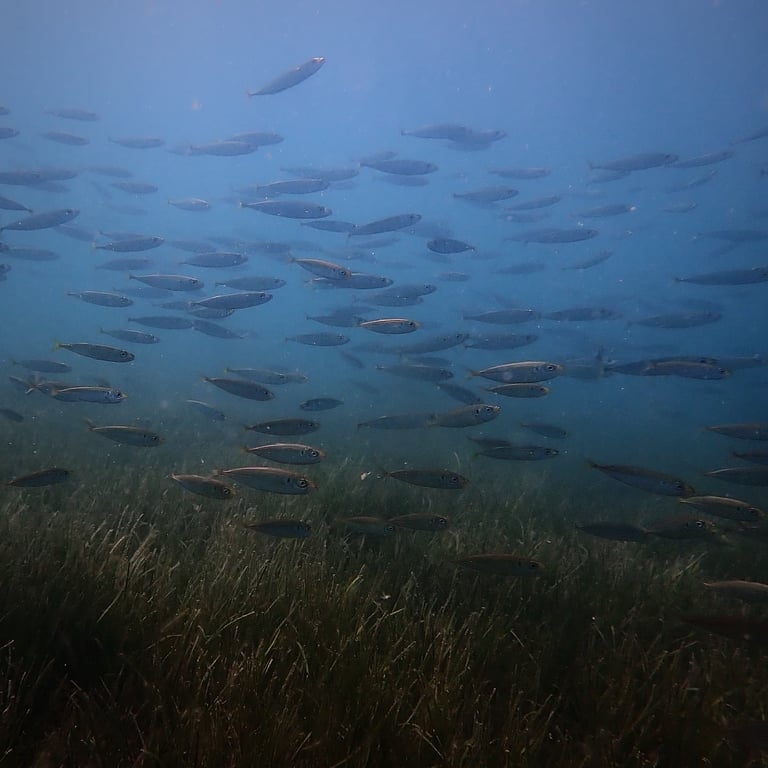
While seagrass is still healthy in some areas, there has been alarming rates of decline both here and overseas. This is due to a number of reasons:
Sedimentation. Runoff from land has had a huge impact on seagrass. It smothers seagrass habitats, causing impacts for filter-feeding animals who grab particles from the water, and causes problems for animals who rely on visually clear water to feed.
As part of their work, Anna and her colleagues are teaming up with communities to restore our seagrass meadows. One of the first steps in restoring seagrass is knowing when and where it flowers, so they have launched the Aotearoa Seagrass Flower Survey Database, a national hub where anyone can record seagrass flowering.
"We don't know a lot about the behaviour of seagrass across the country - like the timing of when they each flower, for example," explains Anna. "By monitoring where seagrass is thriving and where it's struggling, we will be able to learn more about this vital plant, and develop techniques for coastal restoration that are usable and practical for everyone to use."
To take part in the survey:
- Download the app on your phone

- Go to your local seagrass meadow at low tide
- Crouch down and look closely for flowers
- Record whether flowers are present or absent
- Take photos of the flowers
- Contact seagrass@cawthron.org.nz
How you can help
Government sets New Zealand's environmental rules, and environment is set to be one of the key issues debated in the leadup to the 2026 election. "A key action people can take is to vote in their local and national elections for government representatives who have strong values around supporting environmental protection and marine conservation," says Anna. "We all have the ability and the right to communicate with the representatives who are in power to ensure they understand how important environmental protection is to New Zealanders."
Click here for more information on the Restore The Meadows research programme, and on this link to find out how you can add to the national effort to survey our native seagrass meadows in the Aotearoa Seagrass Flower Survey Database.