
Tarakihi in crisis
The Kiwi staple is under severe environmental and fishing pressure
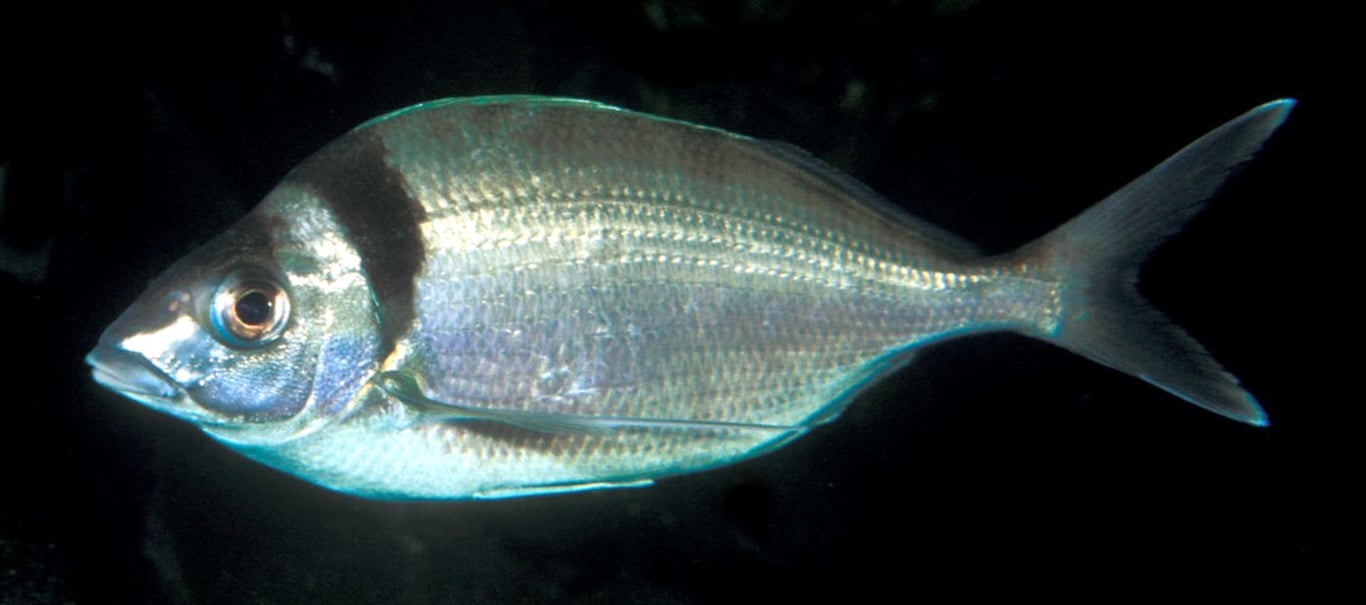

Anyone who's ever enjoyed fish and chips in New Zealand has likely enjoyed the firm, white meat of tarakihi. But a hidden scientific error has been helping to mask the truth: that this popular fish isn't just in trouble - it's at collapsing point. And the eastern fishery has been exceeding the population collapse hard limit of 10 percent for almost a decade due to overfishing. Collapsed stocks below this hard limit are at risk of never recovering.
As a result, Fisheries New Zealand (FNZ) is asking for your feedback on catch limit reductions. With 90% of tarakihi taken by trawling, and most of the catch consumed by Kiwis, your voice matters.
Why is tarakihi in trouble?
Tarakihi is highly valued by all fishers, including commercial, recreational, spearfishers, tangata whenua and the public. Approximately 95% of all tarakihi caught is consumed in New Zealand.
The majority of tarakihi is caught by commercial fishers using trawl nets. While many commercial fishers specifically target the species, it is also often caught as bycatch for other targeted fish, including gurnard and snapper.
There are two main tarakihi stocks in New Zealand - one on the east coast, from Northland down to the bottom of Otago; and on the west coast, from Northland down to the bottom of the South Island's west coast region.
On the east coast, around 92% of the estimated adult population has gone, and 71% from the west coast.
Science has indicated the two coasts have different nursery grounds, spawning areas, age patterns, and catch trends, and both age-composition and genetic studies point to the fish being largely distinct. On the east coast, juvenile fish grow up mainly around Canterbury Bight and Pegasus Bay before moving north into deeper water; on the west coast the main nurseries are Tasman and Golden Bays, with less large-scale movement.
In 2022, an assessment of the eastern tarakihi fishery placed the population at around 19 percent of pre-fishing levels. However, the assessment had a modelling error that had been present from 2017 until the 2026 review. Had there not been an error, results would have shown a stock estimate of about 12 percent - only slightly above the official collapse limit of 10 percent.
This year, FNZ found stocks on the eastern coast have fallen to around eight percent of the original spawning biomass levels. Stocks on the west coast are at around 29 percent. MPI deems any stock below the soft limit (20 percent) to be overfished, or depleted and needing to be rebuilt.
Who is at fault?
According to the Environmental Defence Society (EDS) policy director Raewyn Peart, the stock on the east coast has been in decline since the 1940s, and has been overfished for six decades. Western stock has also been in long-term decline, but has been accelerating dramatically since 2017.
"After 40 years of we've repeatedly been told is a world-class fisheries management system, New Zealand's third most valuable inshore finfish fishery is on the brink," she says. "The collapse of tarakihi highlights multiple failures in our quota management system which was tasked with keeping the stock healthy."
Some of the failures are due to a chronic lack of investment in fisheries science, and previous stock assessments failing to account for the impact of climate change, which has likely reduced the number of juvenile fish.
EDS is calling for a complete closure of the fisheries to allow the species to recover, and full protection of tarakihi juvenile habitat, aggregation areas and spawning areas from trawling and Danish seining. However, this is not an option in the current consultation.
FNZ is proposing three options, which will reduce commercial fishing limits by between 39 and 78 percent on the east coast, and 55 to 84 percent on the west coast.
"To support a needed recovery of the tarakihi stocks, we are seeking public feedback on proposed changes to management setting and supporting measures for tarakihi, including potential fishing restrictions in tarakihi nursery and juvenile areas," says Fisheries NZ management director Emma Taylor. They are inviting feedback from the public to put forward feedback from a wide range of participants, including commercial and recreational fishers, divers, spearos and other interested parties.
Read more from
Dive Pacific
Dive Pacific is the media arm of the New Zealand Underwater Association