
Review: Suunto Nautic / Suunto Nautic S
Recreational and scientific diver Matt Buckingham checks out Suunto's new dive computer
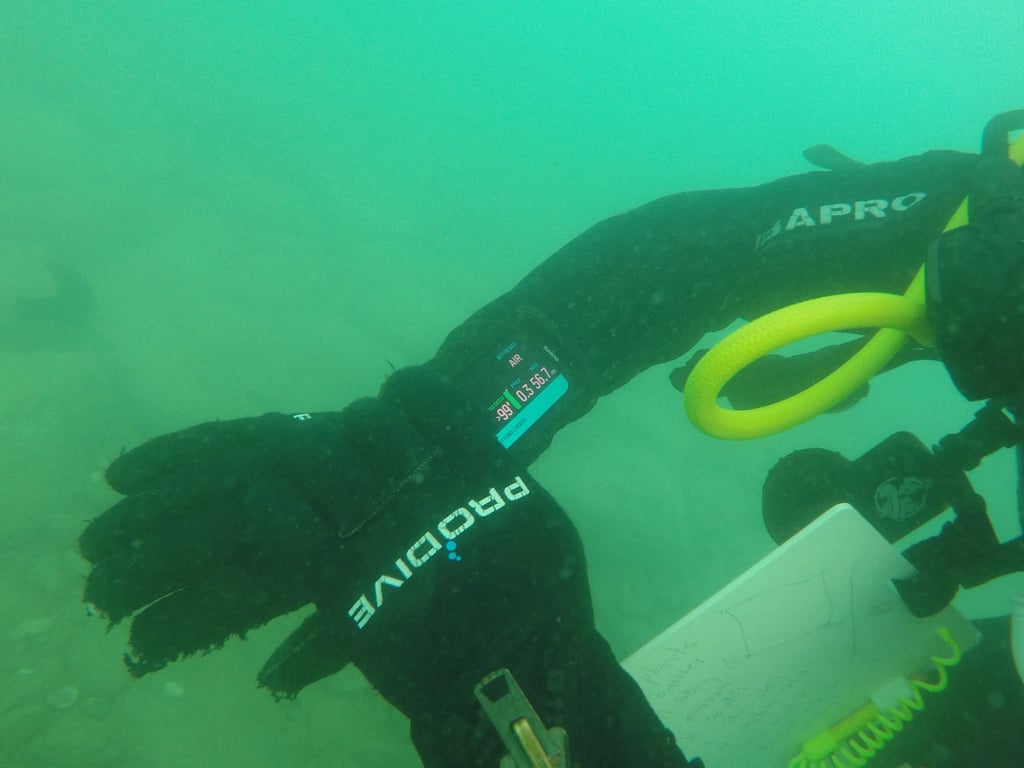

Ever found yourself spending more time trying to read your dive computer than concentrating on the actual dive? The Suunto Nautic is the first purpose-built dive computer with a 720 x 382cm screen - the largest display in its class. We asked spearo Trevor Milford, and experienced recreational diver and project co-ordinator for coastal restoration and aquaculture organisation Ecology Planters NZ Mat Buckingham, to put the Suunto Nautic and its compact alternative, the Suunto Nautic S, to the test.
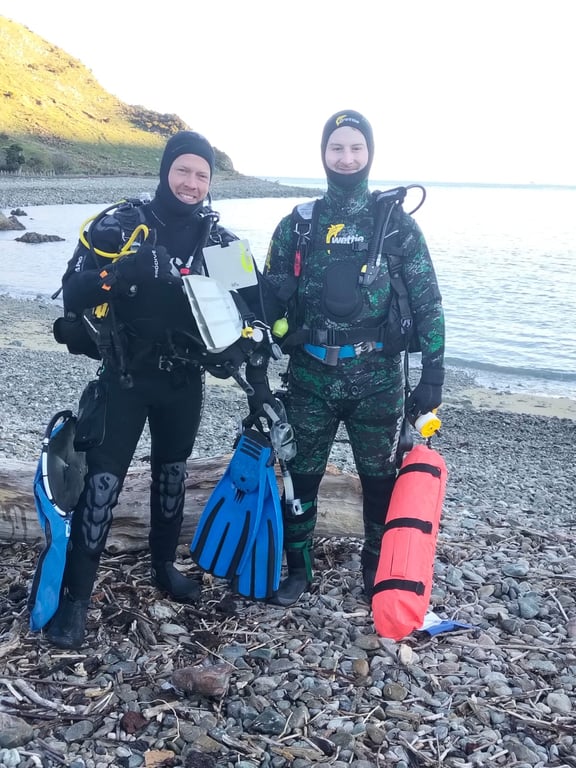
Mat was using air tanks on all dives; Trevor was freediving.
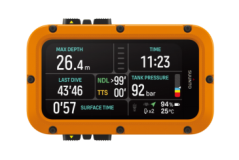
Suunto Nautic range specs
Suunto Nautic dive computer RRP NZD$1,599
720 x 382cm AMOLED screen
Battery life: up to 120 hours diving in medium brightness (90 hours night conditions, 80 hours full brightness)
All essential ocean features: single/multi gas modes, customisable alarms (NDL, gas time, depth), compass, wireless tang pressure compatibility
Dual-tank display
Inbuilt bezel LED to light up gauges and gear
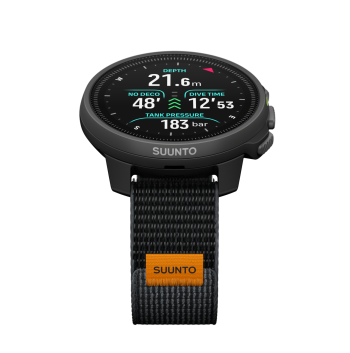
Suunto Nautic S: diving watch RRP NZD$1,150
Compact and lightweight: good for divers and freedivers
Bright AMOLED display
Ocean features include wireless tank pressure support, audio and vibration alarms, dive planning, compass, and sidemount support
Water-resistant to 100m and rated for divers up to 80m
Battery life: up to 60 hours' non-stop diving
Ideal for freediving, snorkelling and mermaiding, with specific features designed for these sports.
Reviews
Keeping it simple
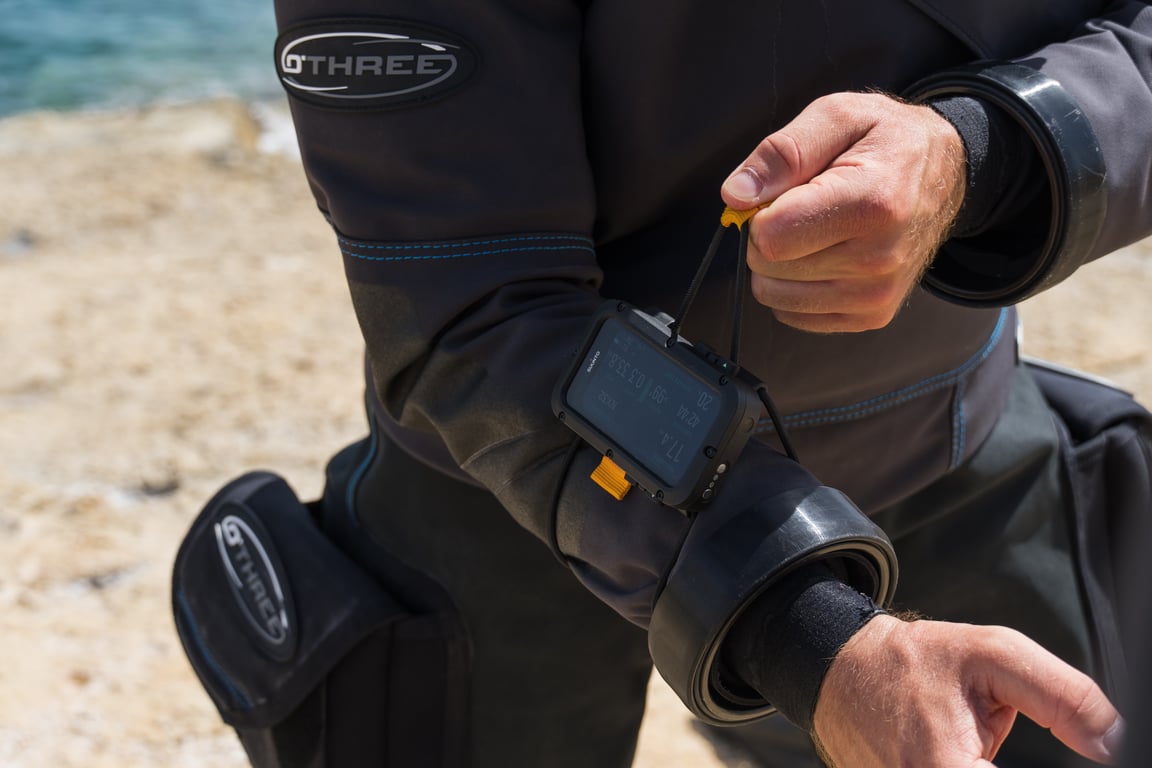
Safety and reliability is everything when you're undertaking a dive. Many dive watches and computers require a pretty thorough read-through of the manual to be able to use them properly, but the Nautic gave both divers complete confidence from the start - without having to pre-digest a bunch of information. It was easy to use; colour-coded icons universally mean red = stop; orange = check; green = good to go.
It's also well-made, which was a plus. The straps are good quality and feel comfortable and streamlined, which was an appeal in itself. There's a real attention to detail in the design.
The larger screens mean no squinting or difficulties reading in low visibility. The larger, clear screens are readable at arms' length - really handy in ever-changing water.
Mat was using both the computer and watch with a 7mm wetsuit and gloves, which made it a snug fit, but the cords made the computer easily adjustable.
Trevor was using just the watch to speardive over a 5mm wetsuit; it was comfortable, easy to put on and felt secure. Spearfishing requires a lot of movement and swimming through seaweed, so he appreciated having a watch that didn't move around and could take the rigours of a speardive without having to worry about losing it.
Built for divers
Mat:
While the Nautic range is a good option for all divers, these computers are a definite contender for serious and advancing divers who want a safe and reliable option that doesn't require a complicated manual. I found it excellent for recreational diving, but for me, this computer really came into its own when I took it out to use during my marine restoration work.
In my line of work, health and safety is a top priority. Every diver, no matter their level of experience, needs to know they can rely on their equipment. When you're underwater, it really helps to have instinctive equipment.
The simplicity of the instructions makes it a very useful piece of equipment. If you're tired, or distracted, or you're someone who just wants to get the job done, having something that tells you so effectively when you're out of the safe zone is an enormous help.
On the dive
Mat:
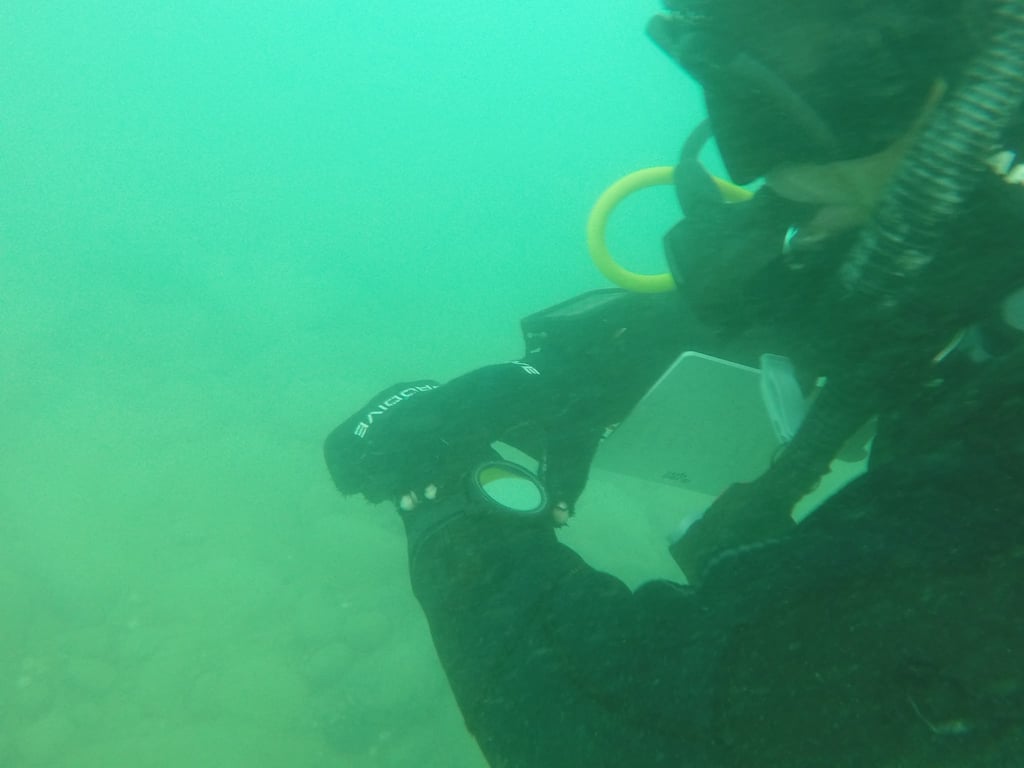
One of the best elements for me was when I was going back up after the dive. Because our work requires a lot of thinking on the go, you don't want to be focusing too much on the dive itself. When I was ascending on my first recreational dive, the watch clearly told me what to do - first it vibrated to tell me I was going up too fast. When I looked at the watch the display was red, which instantly clarified I needed to slow down.
On my scientific dives, we are required to have a 5m interval stop, even if we aren't going very deep. Some watches will give this prompt, but not all - it's a good reminder for all divers who might be impatient to surface, like I can be!
The Nautic prompted me to do the safety stop at five metres. The whole display flashed orange, with a clear label saying 'stop'. I then got a digital countdown of the stop, and a coloured countdown at the same time, leaving no room for error.
Trevor:
I set the watch to start the dive at 1m so I got the most accurate results possible. For me, having a watch that can reliably track my dive time, depth, and surface interval time is important. I had preset the watch so if I broke my pre-set depth of 15m, the watch would sound an audible alarm. While that didn't happen on the dive, knowing the watch had my limits for me made me more confident in the water.
Compass bearing
Mat:
A large element of our scientific dives is underwater mapping. We mark out the boundary points of the restoration zones, and the Nautic computer has a compass bearing (the Nautic S only has a North bearing) that makes finding the spot a lot easier. It's also a lot more accurate than a manual compass.
Each restoration site is 100sqm, so it can be tricky to get back to our original start point. Because the compass on the dive computer is so precise on location, we could start with our land bearing, and accurately mark and track the corners of the boundary pegs, before returning to exactly the same location - something that's extremely difficult underwater, especially in low visibility.
Trevor
Even though the Nautic S watch only has a North bearing, it still made a difference. When dropping in murky water, it's easy to check your bearings - a huge asset at a time when it's very easy to get turned around. Being able to orientate yourself is a very useful tool
GPS tracking
Mat:
Traditionally, mapping an underwater site takes a very long time. With visibility issues, manual compass work and navigation, there's always been an element of guesswork when it comes to working out exactly where you are - a kick cycle isn't always very accurate!
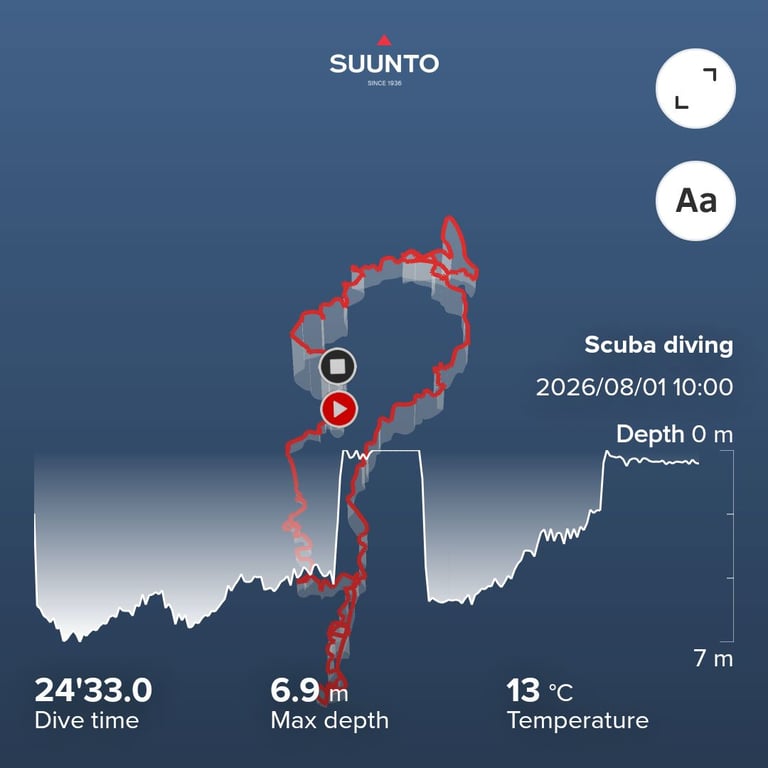
The Nautic has GPS tracking that doesn't just tell you where you've been; it also shows a birds-eye view of your dive pathway. On our scientific dive, we used the GPS to swim a perimeter map, and accurately conduct a habitat identification and species survey.
From here we could undergo practical marine restoration work, including pest species removal and planting of native marine life. With the Nautic, we were able to clearly mark and identify unique habitats like a crayfish cave or a seagrass colony - something we haven't been able to do before.
In two scientific dives, we were able to remove 280 kina from a kina barren on two restoration sites. Not having to spend lots of time mapping meant we were free to actually undertake the marine work.
Trevor:
Prior to the dive, I downloaded a map of the dive area, and the dive spots I was aiming for, on the Suunto app, and synced that to the watch. Because the GPS is so accurate, I know exactly where I dived, how many dives I did, and what I caught at each spot. That's a huge advantage when spearfishing as I was given accurate information. I know exact depths at each location, which allows me to shorten the exploratory time going forward, and get more out of future dives. I also made notes on the Suunto app after the dive on what I saw, and what I caught, which I can refer back to.
When spearfishing and freediving, it's very easy to drift - meaning it can be very hard to find the same spot. With this watch, that problem completely disappears.
Wrapup
Mat:
The Nautic dive computers were a game-changer. It meant I could focus my attention on the practical work being carried out, rather than it being diluted across all the issues I'd normally have to think about.
The biggest takeaway was peace of mind. It doesn't really matter how experienced a diver is, this piece of equipment gives you simple prompts, and tells you exactly what to do.
I've been diving and freediving my whole life, and it's easy to fall into bad habits, or 'quick fixes' - the Nautic gave me an excellent reminder of what constitutes a safe and exciting dive. It feels and looks professional - and you get a better dive as a result.
Trevor:
As a spearo, I was only using the watch, but that was plenty. It gave me confidence in my surface time, allowing me to accurately calculate my surface interval of double the underwater time minimum.
The large display meant I could clearly see my depth, and the time I was at the depth. The large screens and bright back light, as well as audible alarms, allowed me to fully concentrate on the hunt.
Because the watch links to my phone and the dive computer, I appreciated having a fully integrated system at my fingertips. My phone is in a waterproof bag in my float boat, and as soon as I surfaced, the phone and watch connected - meaning that if needed, I could read texts.
The watch is very powerful, aesthetically pleasing and can cope with the rugged conditions often encountered in spearfishing. I loved it.
Both models are now available here.