
Preventing panic
A quick guide from the DAN World team to keeping your cool
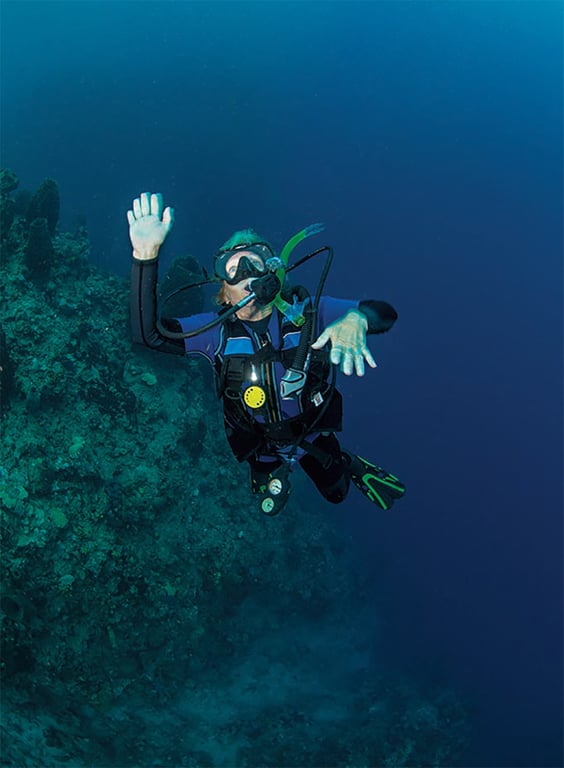

With a desire to explore the unknown, divers put their heads underwater in some very unnatural environments. While relying on a single unit of life-support equipment, it's no surprise that divers occasionally lose their cool. Divers who become startled or face difficult problems underwater can become overwhelmed by fear or anxiety and behave wildly - and without thinking, they panic.
Sometimes panic is completely obvious: divers may thrash at the surface, stare at you with wide eyes, spit out their regulators or fail to communicate. Whether divers are panicking at the surface or deep underwater, an intervention can prevent them from injuring themselves or others. Rescue divers and dive professionals are trained to recognise panic and intervene, but all divers can take measures to prevent panic before entering the water.
Most people don't openly admit their fears before diving. Egos and unwillingness to stop someone else’s dive can lead many uncomfortable divers to enter the water despite feeling uneasy. Talk with your buddy before diving, and make sure both of you are comfortable with the dive plan. Discussing any concerns may allay their fears and make their dive better and safer. If you notice your buddy is:
- being unusually talkative or quiet
- avoiding certain subjects
- compulsively checking gear
- repeating questions or acting strange before a dive
continue your communication. Stay positive and reassuring, but don't dismiss fears of pressure a hesitant person to dive.
Once in the water
After entering the water, if you see your buddy:
- struggling with equipment
- giving improper signals
- suddenly losing buoyancy control
- breathing rapidly
assist them as soon as you are able.
Easy assists such as reseating a low-pressure inflator hose on a buoyancy compensator or securing an octopus regulator can help reassure your buddy. Stopping to think and breathe can make a big difference for a diver who is uncomfortable: It creates a window of time to solve the problem and gives the diver time to relax, preventing their discomfort from escalating to panic.
Managing your panic
If you frequently become nervous underwater, think about what causes your anxiety, and plan how to resolve it. If clearing your mask is the bane of your existence, practice in a pool until it no longer scares you; if you worry about entanglement, get an easy-access knife holster.
You can't plan for everything, so if you or a buddy experiences discomfort underwater, remember to stop, think and act in accordance with your training to prevent panic. If the dive becomes overwhelming, ascend to a shallower, more controlled environment, or end your dive as safely as possible.
Keep your cool, prevent panic, and make all your dives injury- and accident-free.
For more diving health and safety information, visit World.DAN.org
Read more from
DAN World
Divers Alert Network (DAN) is the world’s most recognised and respected dive safety organisation, having remained committed to the health and well-being of divers for 40+ years.