
'National parks of the sea' to launch on July 1, 2026
Te Au Roa o Te Rakihouia will protect marine habitat in Otago and South Canterbury
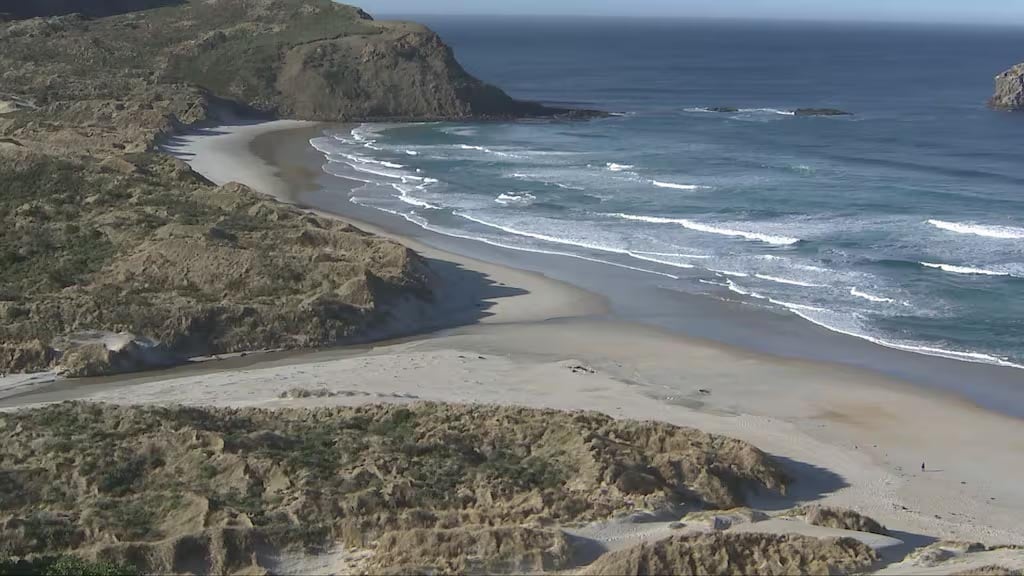

After years of legal battles, Kāi Tahu (Ngāi Tahu) and DOC have achieved what many have been working towards for years, opening five new marine reserves along the Otago and South Canterbury coast.
The 'no take zones' between Waitaki River down towards Milton, cement an historic partnership between Ngāi Tahu and DOC Te Papa Atawhai. The region previously had no marine protected areas. The reserves cover 308 square kilometres of Otago's coastal marine area - four percent of the Otago coastal marine area - and from July 1 2026, all fishing, harvesting, and mineral extraction will be prohibited.
The marine reserves, which were approved in 2023, will protect important and unique coastal and estuarine habitats and the marine life within them. The network aims to safeguard important marine habitats and biodiversity, complementing existing mātaitai reserves and taiāpure in the region. It’s the result of work that began more than 13 years ago through a collaborative process involving Kāi Tahu, fishing, environmental, science, tourism and community interests.
Why is it happening?
Te Au Roa o Te Rakihouia (previously known as the South-East Marine Protection Network) reflects a unique partnership between the iwi and DOC, dedicated to protecting and caring for the network of reserves that run along the southeast coast of Te Waipounamu.
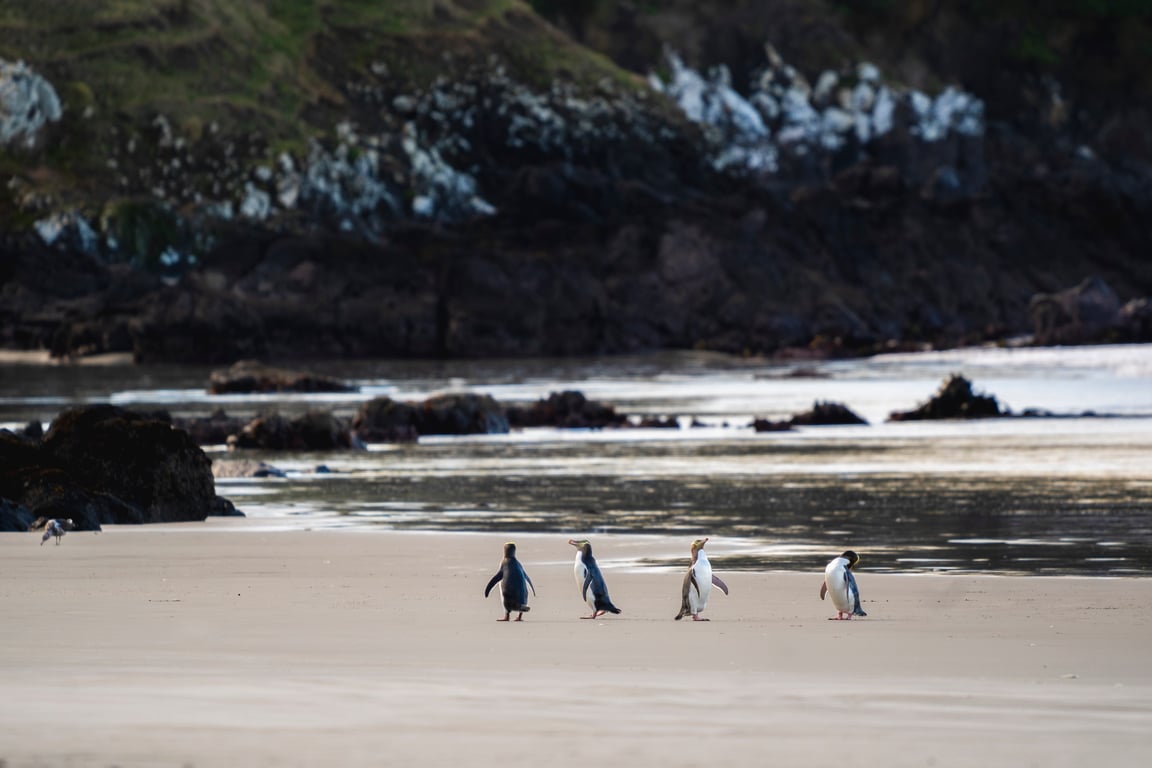
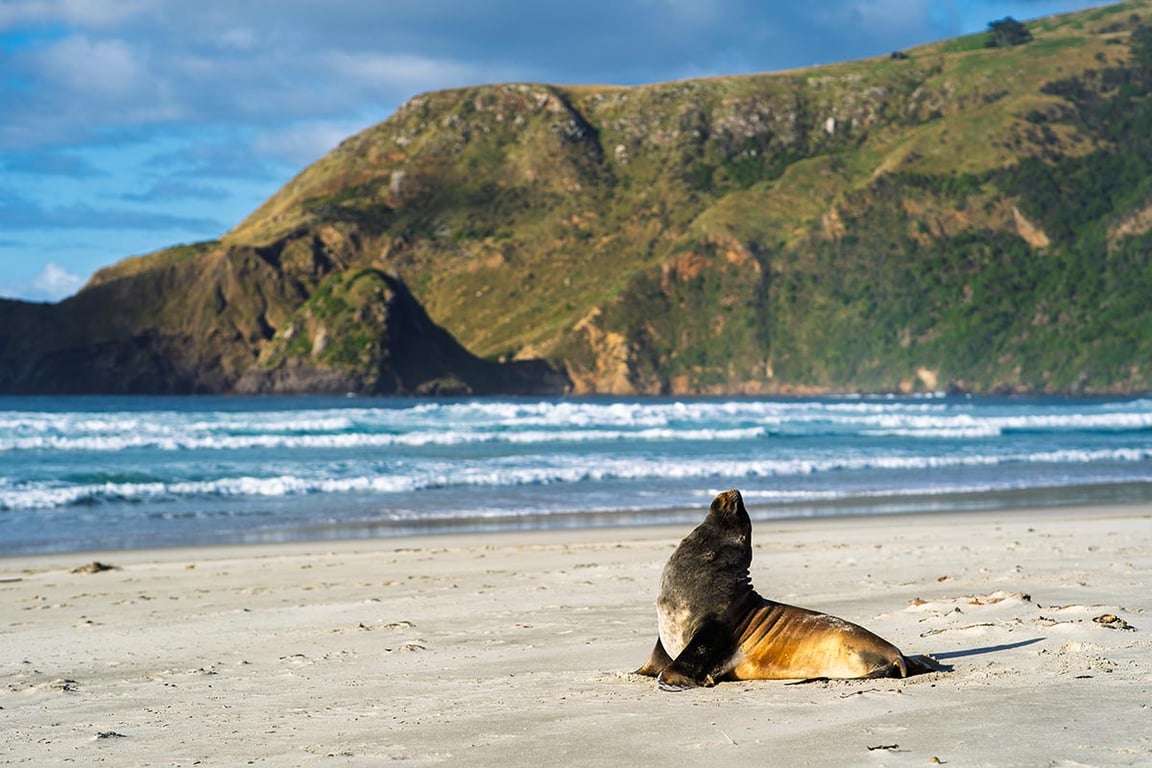
This spectacular coastline supports some of New Zealand's most endangered wildlife. Species include hoiho/yellow-eyed penguins, toroa/northern royal albatross and pakake/New Zealand sea lions - all creatures that rely on a healthy marine environment.
What species will this protect?
There have been queries over why these marine reserves have been put in place.
Marine reserves are designed to protect all components of a marine ecosystem, helping to conserve biodiversity and allowing ecosystems to return to a more natural state.
The marine reserves protect a range of habitats, including estuarine and tidal lagoons, rock reefs, offshore canyons, giant kelp forests, deep-water bryozoan (lace coral) thickets, and seagrass and red algal beds – and these, in turn, support an array of marine species.
The marine reserves will allow marine mammals, reef fish, native freshwater and estuarine fish, shellfish, crustaceans, sharks, rays, marine invertebrates, seaweeds and kelp forests to return and te taiao (the marine environment) to rebalance and recover without disturbance and harvesting.
This spectacular coastline is home to some of Aotearoa New Zealand’s most threatened species like hoiho/yellow-eyed penguin, toroa/northern royal albatross and pakake/New Zealand sea lion – all of which depend on the marine environment.
A collaborative undertaking
Kāi Tahu rangatira Edward Ellison, head of Te Rūnanga o Ōtākou, the local representative of Ngāi Tahu, said the marine environments contain special elements that are important to the iwi, and is a pivotal step in promoting the long-term health of the precious marine environment.
“There's a canyon… there's coastal reefs, marine mammals – just such a variety of species there. But it's also the connection to us in terms of our customs and our history, and we couldn't be separated from them, so the importance of us, we remain as a part of them forever going forward,” he says.
"The name Te Au Roa o Te Rakihouia refers to the long wake, or enduring pathway of Te Rakihouia, son of the greast explorer Rākaihautū and the first-known human to journey along and around the coastline of the South Island, conveying the enduring relationship between our people and the moana,” he says.
“Having governance and management structures in place that recognise the rakatirataka and kaitiakitaka of Te Rūnanga o Moeraki, Kāti Huirapa Rūnaka ki Puketeraki and Te Rūnanga o Ōtākou in our respective rohe will help ensure that decisions around the management of Te Au Roa reflect our customary practices and local knowledge of these coastal areas.
“Te Au Roa will complement the existing mātaitai and taiāpure reserves, providing the opportunity for habitats and animals within the reserve network to become more abundant and diverse over time while sustaining our deep connection with the moana and coastline."
DOC and Kaī Tahu will work in partnership to co-manage the marine reserves once they are in place.
DOC Operations Director Aaron Fleming says the partnership with Kāi Tahu to manage the marine reserves is a new approach that brings together the knowledge systems and responsibilities of Kāi Tahu and DOC.
“This is new for marine reserve management in Te Waipounamu and Aotearoa. Our partnership with Kāi Tahu means we’ll share decision-making and a new team of DOC and Kaī Tahu rangers will carry out day-to-day management and monitoring of the marine reserves.
“We see this as an opportunity to work together to improve conservation outcomes and enable these special marine ecosystems to flourish for the benefit of everyone.
“We’re excited to get to this point and look forward to the benefits marine protection will bring to Otago’s amazing marine life and the region.”
Do Kāi Tahu have customary fishing rights to the marine reserves?
Special measures are in place to recognise the customary rights of Kāi Tahu including:
- The enhancement of mātauraka Māori (traditional knowledge) through organised wānaka (gatherings for intergenerational sharing of knowledge) including traditional fishing practices such as wānaka hi īka- lessons that teach the art of traditional fishing.
- Retrieval of koiwi tākata (ancestral remains), taonga tūturu (artefacts), and marine mammal remains.
- Removal of the invasive Asian seaweed/wakame Undaria pinnatifida under existing permit requirements.
Are there any exemptions to commercial fishing in the reserve?
Marine reserves are no take areas, which means fishing is prohibited within the reserve boundaries. 96% of the southeast region is still available to recreational fishers.
Are there restrictions around taking a boat out within the restricted area, then travelling outside the reserve, gathering fish and returning to a restricted area like Smaills Beach in Dunedin?
Fishers can travel through marine reserves with fish onboard that have been caught in areas outside the marine reserves. It is recommended that fishers stow/secure fishing gear when in the reserves so it can’t be misinterpreted by rangers (or others as we’re likely to get tip offs!) that they are fishing in the reserve.
Even if you haven’t caught anything, as soon as your fishing line is in the water within the boundaries of a marine reserve, it is classed as fishing in a marine reserve. Make it clear you are not undertaking any fishing activity whilst transiting or stopped in a marine reserve.
What's next?
Marine reserves are fully protected areas that minimise human disturbance, allowing marine life and ecosystems to return to a more natural state. They are ‘no take’ areas open for everyone to explore and enjoy.
The marine reserves came into effect on 1 July 2026.
The boundaries of a sixth marine reserve, Te Umukōau, are being reconsidered following consultation with the Otago Rock Lobster Industry Association and others involved in recent judicial review proceedings. The Minister of Conservation will decide on the new boundaries.
Click here to view the maps for marine protected areas in Te Au Roa o Te Rakihouia.