
Marine pests on the increase in warmer oceans
What warming seas mean for marine pest species in New Zealand's North Island


The oceans are warming, and warmer waters mean change for our marine ecosystems. What does that mean for our dive spots?
It’s more important than ever that as divers and boat operators, we know what marine pests look like and that we are vigilant about reporting them.
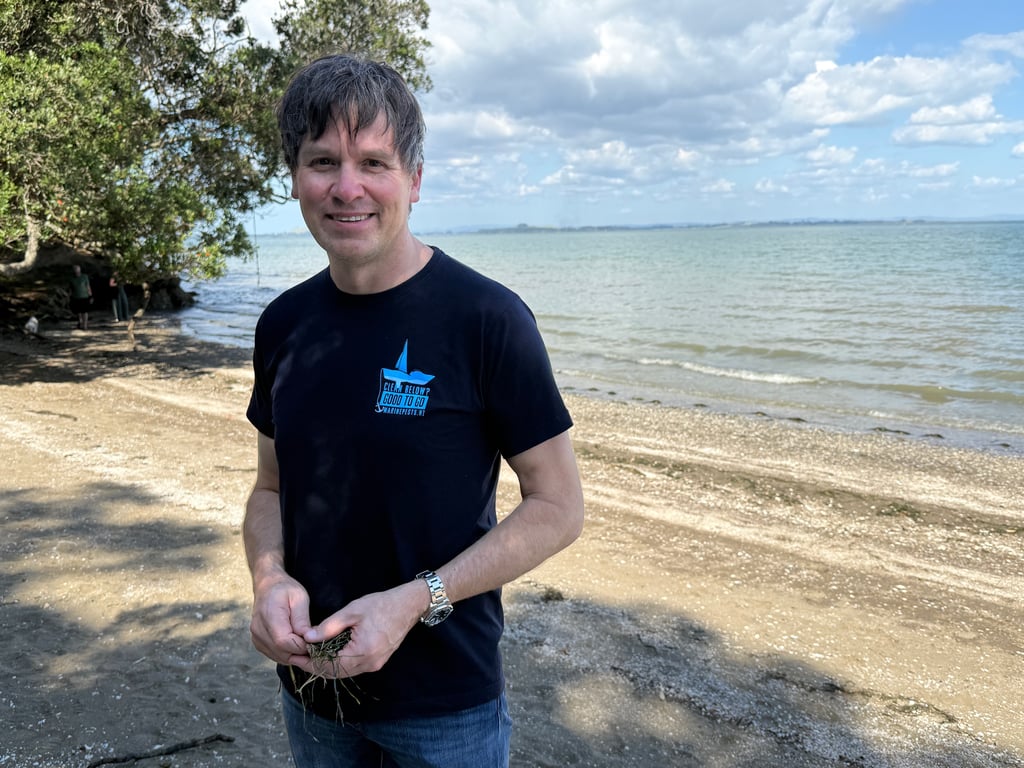
We spoke with senior marine biosecurity adviser Dimitri Colella from Auckland Council about what warming seas could mean for marine pest species in the North Island.
“Warmer seas will potentially enable range extensions of tropical species and prolonged higher than average temperatures may also stress our cooler water natives or drive them further south,” he says.
It also means those exotic species already here might take advantage of the warmer waters and we could see their numbers increase.
“For example, in recent years we saw blooms of the sub-tropical red seaweed species Asparagopsis taxiformis, thriving in North Island waters; much further south from its normal range, and exotic caulerpa, a species usually found in tropical waters of the Pacific, also appear on the scene in abundance.”
While human facilitated spread generally helps pest species travel further and faster, Dimitri explains that oceanic currents and winds can also drive the movement of tropical water toward New Zealand, providing a vehicle for species to travel on. For example, tropical sea snakes commonly arrive here this way, as can turtles.
Whether they are capable of establishing a population here, depends on whether the conditions are right for them. This includes factors like water temperature, habitat, food sources, salinity, light, and competition with native species. In the case of sea snakes, we know that survival is rare.
However if conditions are right, the species can flourish - especially if their natural predators or grazers which usually keep their numbers in check did not arrive with them.
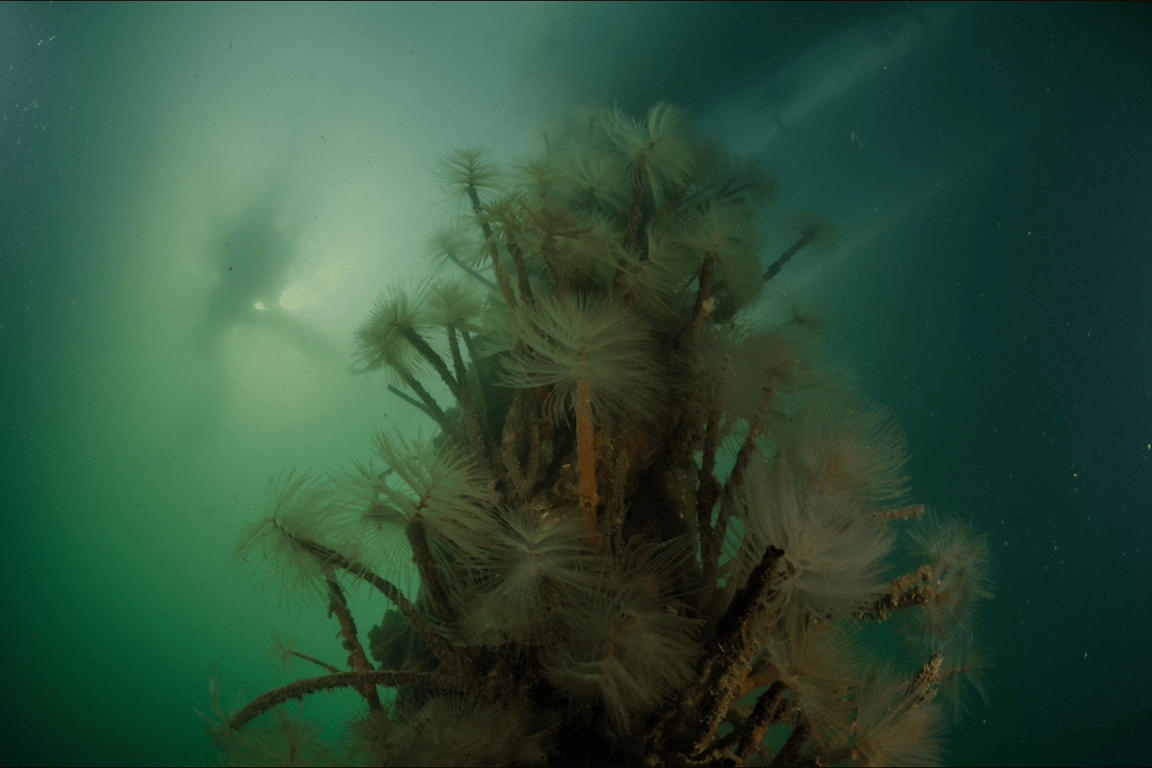
“It’s when things get out of balance in the natural ecosystems that we see animals or plants becoming a pest,” says Dimitri. ”This is when an organism might start to negatively impact the environment, by competing for food and space, interfering with human activities, or ruining the natural amenity values of our environment.”
What happens next?
That depends, says Dimitri.
“If average global and ocean temperatures continue to slowly increase, it means we could see the arrival and persistence of more exotic species. However if there are cycles of this, exotic species that have arrived might not be as successful as they have been or they might adapt and become naturalised. The climate and marine environment are highly complex systems, and we are still trying to understand them better.

What can I do?
There are more than 200 marine Non-Indigenous Species (NIS) recorded as being established in New Zealand. Fortunately, only a few of these species are considered to have the potential to cause harm to our marine environment.
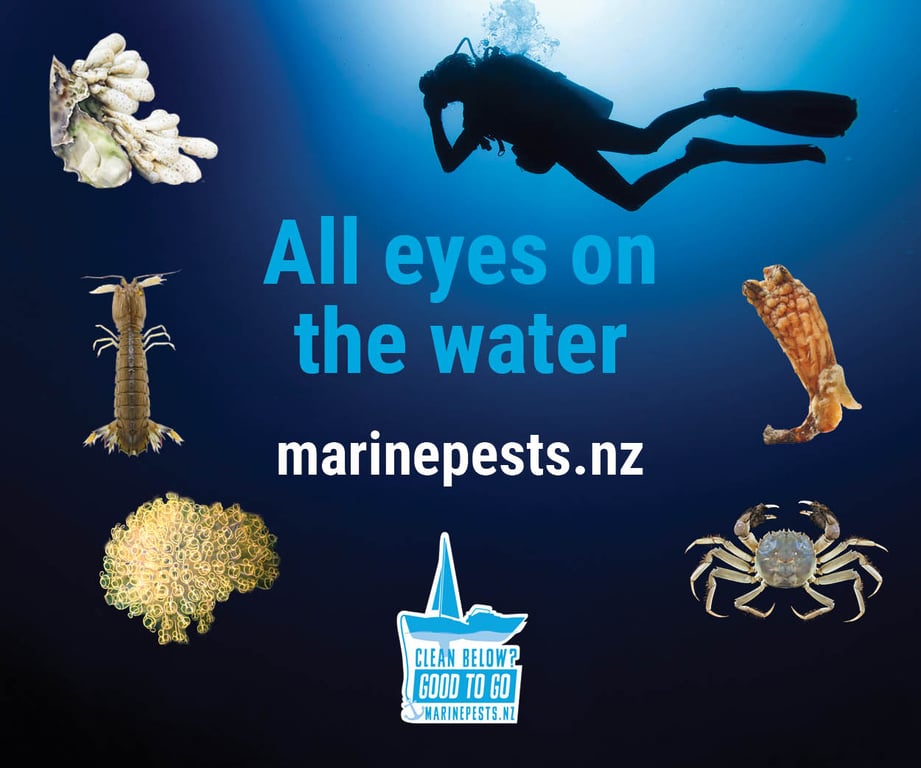
Learn about some of the species we are most concerned about, and how to report your findings, at marinepests.nz If you find something you are concerned about, take a photo, record the location and report it urgently to the Ministry for Primary Industries.
This video shows exotic caulerpa at Blind Bay, Aotea Great BArrier Island in Auckland's Hauraki Gulf.
Read more from
Dive Pacific
Dive Pacific is the media arm of the New Zealand Underwater Association