
Magic at Mount Maunganui: Leatherback turtles
Tauranga wildlife photographer and naturalist Nathan Pettigrew's encounter is aiding marine research
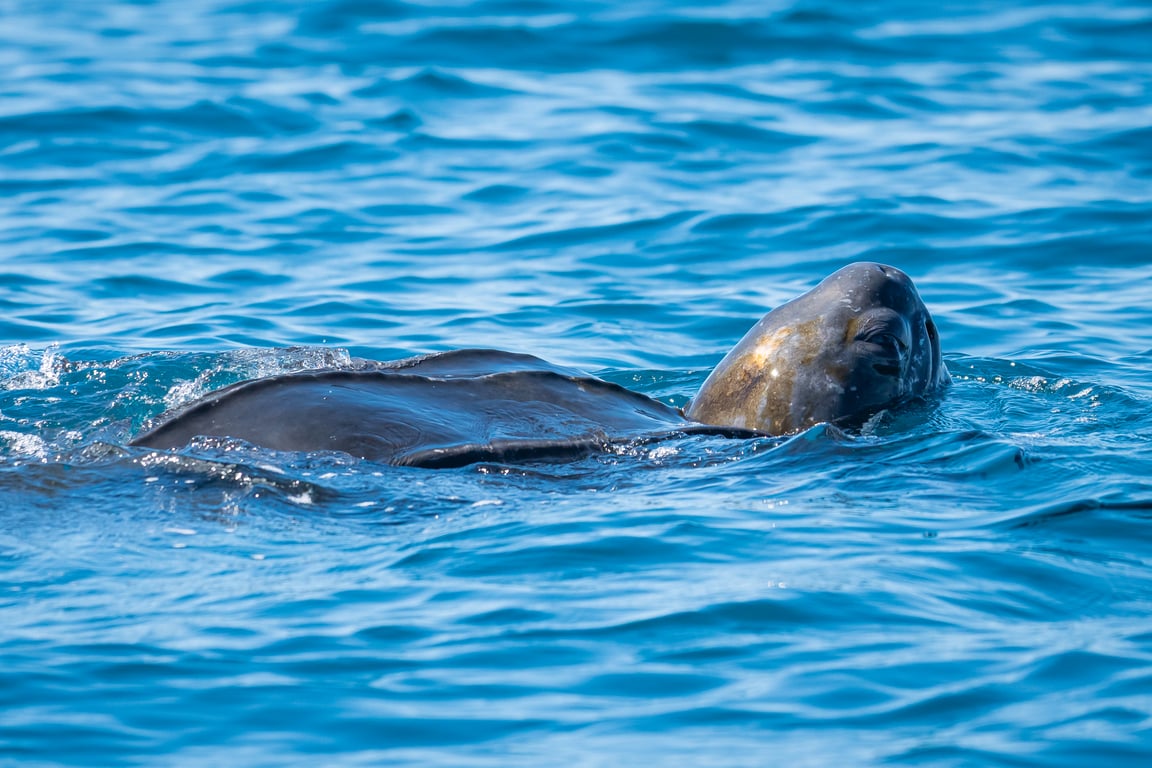

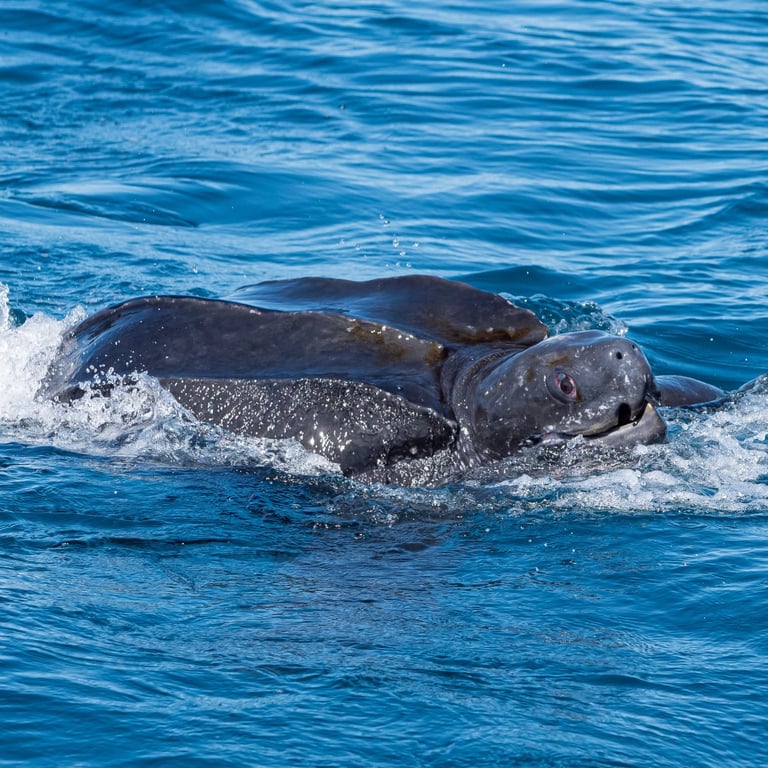
Marine mammal lover, kayaker and digital creator Nathan Pettigrew has seen leatherback turtles in the waters close to Mount Maunganui every year for the past six years, but he says his latest encounter with at least five of these beautiful creatures was 'almost unheard of'.
"I was on the water when Dolphin Seafaris gave me a call and said 'You've got to come and see this," he told DoC, with whom he has shared the footage to help build understanding of the distribution and behaviour of the turtles in New Zealand waters.
"I shot back closer to shore - just 1.5km or so from land. It was incredible, there were five leatherback and sunfish too, with Mount Maunganui in the background. I've never seen so many leatherback turtles in one place at a time."
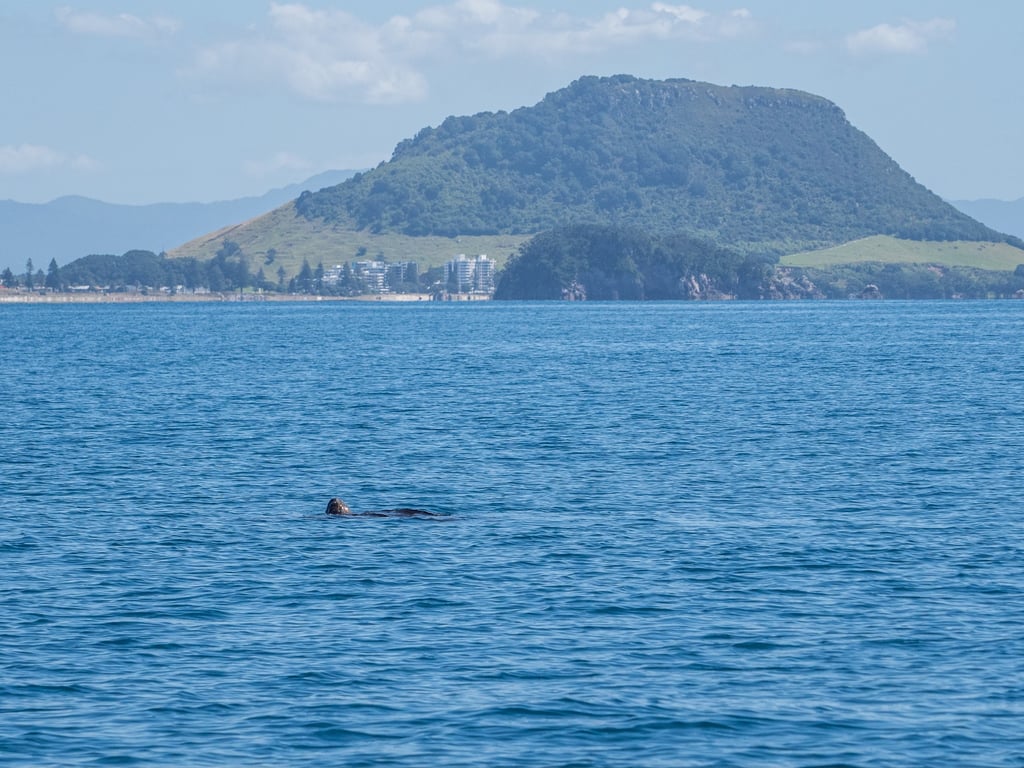
With plenty of jellyfish in the water for the turtles to eat, Nathan was able to observe the turtles for around two hours. "I realised they weren't going anywhere, so I stopped and had a peanut butter sandwich," he says. Unfortunately he wasn't able to capture more than one turtle at a time, but video footage confirms there were multiple leatherbacks in the area. "They were spread out. One would come up, and another would go down."
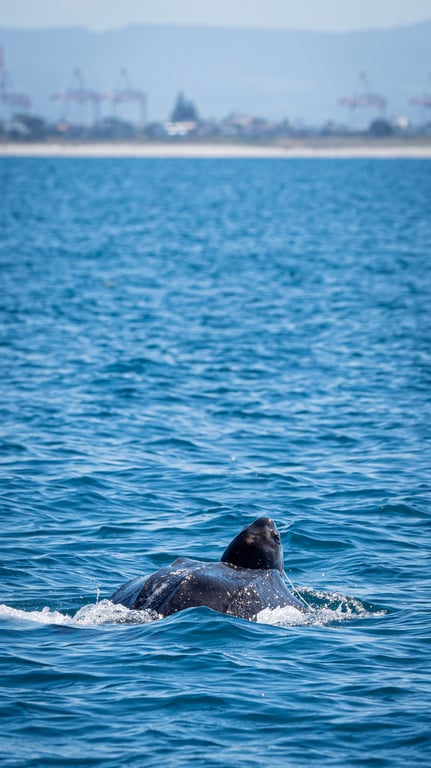
The sightings and footage have been described as 'remarkable' by DoC. "It's almost unheard of to see five leatherbacks together because they are generally solitary turtles," explains Department of Conservation's Senior Marine Science Advisor Dr Karen Middlemiss. "They usually only group together if there is a feeding aggregation or they are close to nesting beaches, and these turtles don't nest here."
Looking at leatherbacks
Leatherback turtles are the largest turtle in the world. They can grow to two metres in length - the size of a small car - and weigh up to 900kg. The leatherbacks in New Zealand waters belong to the critically-endangered Western Pacific population; each summer, part of the population migrates from California to the islands north of New Zealand. Some make it to the Bay of Plenty and the waters off East Cape. They eat jellyfish and salps.
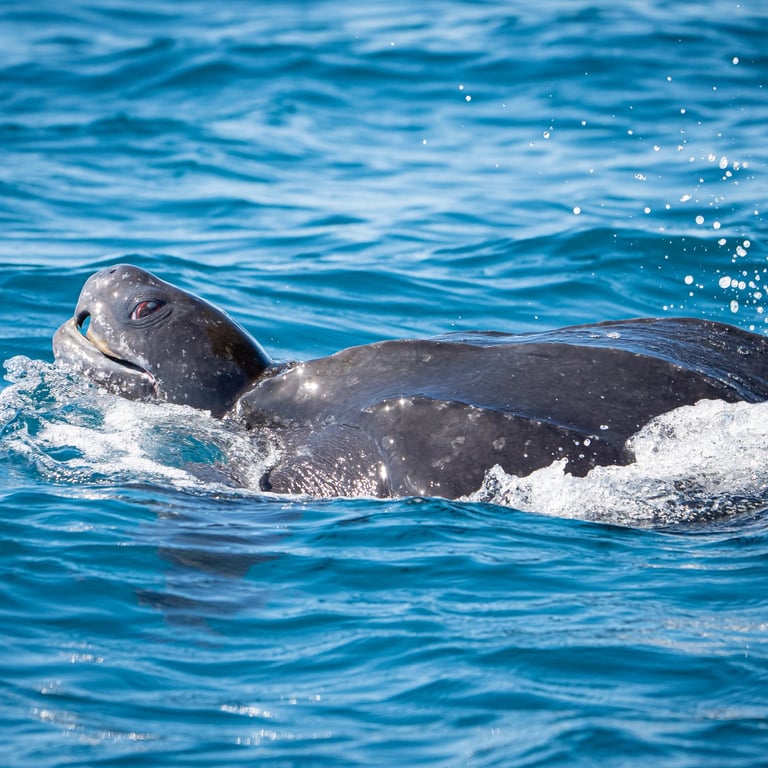
Little is known about their behaviour in New Zealand waters, making Nathan's footage useful for researchers. "We are hoping to satellite tag some of these magnificent turtles to learn how they use our waters," explains Middlemiss. "New Zealand waters provide critical foraging habitat for leatherbacks.
"Nathan is a great example of using hobbies - in this case water sport and photography - to support nature. Taking everyday actions, like reporting sightings of protected marine species, is true naturing."
If you spot a turtle, email turtles@doc.govt.nz. If you see a turtle on the beach or injured in the water, call the Department of Conservation emergency hotline 0800 DOC HOT (0800 362468).