
Lessons learned at sea
The importance of a good dive club cannot be overestimated


Lessons Learned While Lost at Sea
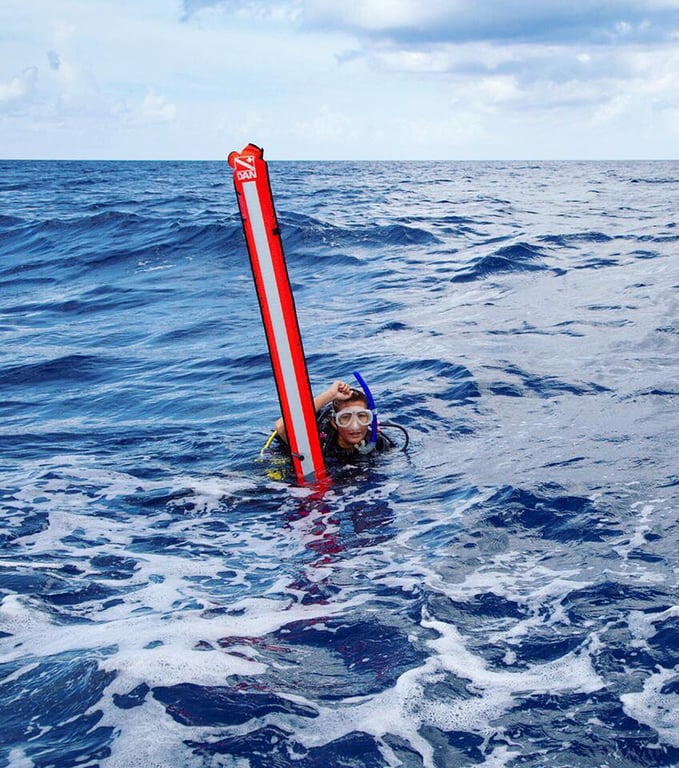
The divemaster and I surfaced, surprised at our distance from shore with the dive boat nowhere in sight. We spent the next five hours seasick, with nearly 2-metre swells pushing us under the surface.
Our hope started to fade as we realised the Coastguard boats and helicopters, that we finally spotted, were searching in the wrong area. Currents had carried us far from the dive site. Lightning, thunder and nightfall soon replaced the sunset. The swim that the divemaster thought was too far was now our only option. We eventually crashed into a rocky, desolate shoreline and began our walk back.
As a relatively new diver, I learned many lessons from my ordeal.
- Stay calm. Neither of us panicked. I refused to look at my watch or entertain bad thoughts. I focused on what needed to happen, whether it was fighting the next big wave, deciding it was time to drop our weights or reminding myself that we would be OK.
- Maintain good fitness. I did three dives that day before being lost at sea. While I hadn’t prepared for that situation, I was grateful that I had recently taken up lap swimming, which had increased my stamina.
- Bring your own safety gear. The divemaster did not have a flag, surface marker buoy (SMB), whistle or other signalling devices. I had a small SMB and whistle. I now carry a larger SMB that floats upright, and I am researching other signalling devices.
- Someone should know where you are and when to expect you. While I was on this solo trip in another country, my boyfriend realised something was wrong when I didn’t text him after the dive. He called the dive shop and contacted the local authorities for help. The dive shop had not contacted the coast guard or notified my emergency contact that I was missing. It took my boyfriend’s actions to initiate a search and rescue mission.
- Be proactive about your safety, and don’t ignore red flags. I noted several red flags with the dive shop throughout the week, but I had prepaid for more than 20 dives and didn’t want the hassle of changing shops and fighting over a refund. The dive shop didn’t do safety debriefs, share dive plans or use a dive flag. The divemasters did not have proper gear, and they took children through full penetration wreck dives at 24 metres and directed divers to leave behind their snorkels. Instead of consciously assessing the shop’s adherence to safety standards, I mistakenly trusted their credentials to mean they would do the right things.
- Understand the risks and that there are bad dive shops. I chose this shop because I found them on a dive association’s website as a highly rated dive center. The criteria that I had used to select a shop didn’t necessarily translate into reliability and safety. I did what I could to hold the shop accountable with the hope that they would take corrective actions. I wish I could say that my efforts resulted in changes that made future divers safer or that the shop’s high standing dropped, but I can’t. And that’s another important lesson: Online information may or may not be accurate, so trust your judgement.
A note from us:
This cautionary tale happened overseas, but without the correct protocols in place, accidents can and do happen.
The New Zealand Underwater Association exists to promote safe and enjoyable underwater activities. Whether you're a visitor, a local, a novice or a seasoned diver, it's vital you dive with a team that follows the rules. Click on this link to find your nearest NZUA-affiliated dive club.
NEVER dive with anyone without the correct safety equipment, dive flags, and a dive plan that's shared with the group. Trust your instincts: if you have concerns, ask the dive club to show you their dive plans, and ensure there is plenty of safety equipment, and dive flags, before you head out.
Remember: A good dive is a safe dive.
Read more from
Dive Pacific
Dive Pacific is the media arm of the New Zealand Underwater Association