
It's a win - for now
Undersized fish off the Amendment Bill, but plenty still to fight for
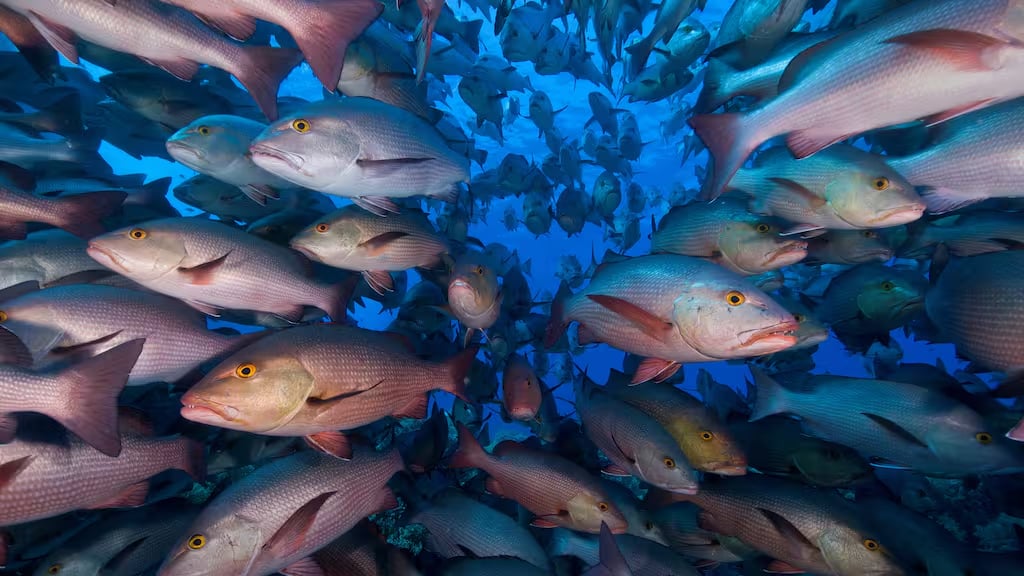

The Government's U-turn on allowing commercial fishers to take undersized fish as part of Shane Jones' contentious section of the Fisheries Amendment Bill is being hailed as an example of what can happen when the public makes their voice heard.
However, marine conservationists and advocates, recreational fishers and politicians are cautioning against complacency, as the Bill is still very much on the table - and it still includes multiple issues of concern, including the ban of any leaking of footage taken by cameras on commercial boats, even under the Official Information Act. Anyone who leaks the footage faces a $50,000 fine.
"The backdown is good news. And without the public this would never have happened," says NZ Fishing Community and One Ocean spokesperson Ben Chissell, who added his voice to the thousands of individuals and groups, including Dive Pacific, NZUA, LegaSea and Matt Watson, who raised the alarm over the controversial bill which would effectively have allowed commercial vessels to land and sell baby fish. "It's the people listening to us all and actioning it who are the ones that made it happen.
"Six months ago you couldn't get anyone to sign anything. Since the One Ocean protest in November, people have realised that standing up against these politicians actually works. Now we can't get them the submission links fast enough."
Political ping-pong
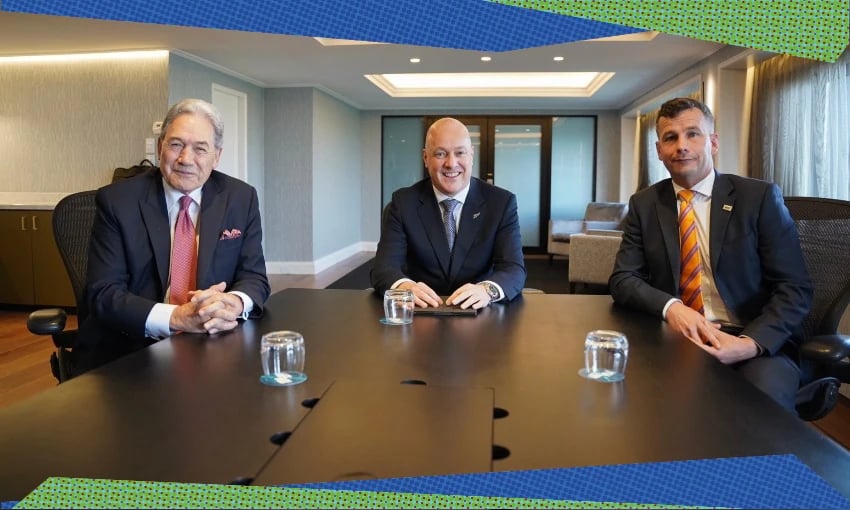
Wednesday March 25th saw a rather dramatic scramble from New Zealand First leader Winston Peters, quickly followed within minutes by Prime Minister Christopher Luxon, on social media sites, both claiming ownership of the decision to scrap the removal of size limits for several fish species, including snapper, kingfish and terakihi. Then Jones jumped in again.
Winston Peters got in first with this statement:
"New Zealand First has received a lot of feedback from recreational fishers about the current legislation going through parliament – in particular about the proposed catch size limit changes for commercial companies and how that would affect a large number of ordinary kiwis.I spoke with the Minister in charge Shane Jones on this matter. We decided to review this part of the legislation and use the select committee to remove this clause. We believe in democracy, and the most important part of democracy is listening to the people. We are doing that."
Minutes later, Christopher Luxon posted a similar reaction:
"National backs recreational fishers and we’ve heard your concerns over the past couple of days. That’s why this morning I spoke to New Zealand First Minister Shane Jones and he agreed to take out the sections of the Fisheries Amendment Bill that removes the minimum size limits. As a recreational fisher, I share Kiwis' concerns on the impacts to juvenile fish stocks. We want to ensure our kids and grandkids have abundant fisheries for the decades to come. I know Kiwis still have some concerns, which is why we want the fishing community to submit to the Select Committee process on this Bill."
Shane Jones - who as recently as Monday said that critics of his Fisheries Amendments Bill are 'a range of noisy voices' - was quick to debunk Luxon's version, saying, "There's only one person that's capable of instructing the Matua, and that's the rangatira Winston."
Fishy stories
There's some debate over who in the coalition knew what prior to the turnabout. Jones said he had earlier taken the full proposal to his Cabinet colleagues, but: "you know these fishing issues, they're so obscure and finicky". However, David Seymour claimed earlier yesterday that he didn't know about the size limit changes, saying that part of the Bill had earlier been 'hidden' in the legislation.
"It's a great day for very small snapper and recreational anglers alike to see this backdown from Shane Jones," said Seymour. "It shows the government can listen. We're extremely pleased to see it, and I'm sure we won't be the only one."
Seymour's apparent ignorance of the size limits - despite a huge outcry from the public about the proposal for commercial fisheries to be allowed to take baby fish - seems in contrast to his fellow ACT MP Cameron Luxton, himself a keen fisherman, opposing the clause. "Recreational fishers deserve real credit for their advocacy here," he says. "They raised real concerns with me about these changes. I took these concerns to my caucus colleagues who put them to our coalition partner. Now we see a shift in direction.
"Allowing undersized fish to be sold cuts across the whole point of size limits. Those rules exist to protect the future of the fishery."
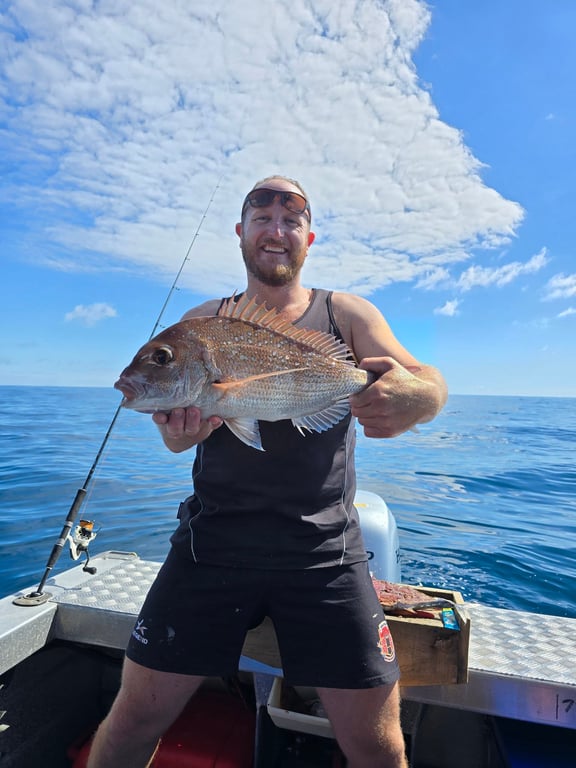
Whatever actually occurred, there seems little doubt that there was an attempt to hide - or at least sidetrack from - the removal of the minimum size limits, which were only discovered after LegaSea volunteers read the draft legislation line by line when it was released last Thursday. That gave almost no notice before the reading's planned first reading this week.
Also buried in the Bill is a proposal to reduce the window for appealing fisheries decisions, from several months to just 20 days - something Matt Watson believes is designed to prevent opponents gathering information, given Official Information Act responses usually take longer to be worked out.
The issue hasn't gone away
While there's no doubt the government's backdown is a win for the public voice, the problem of the Amendment Bill is still very much in evidence. Shane Jones has made no secret of his disdain for recreational fishers, or for marine advocates, and his immovable belief that there's more than enough fish has seen him publicly deride anyone who disagrees.
"The amount of snapper in our waters is almost biblical in its profundity," he told RNZ's First Up. "You can almost walk on the water we've got so many snapper."
However, Chissell is alarmed that while snapper may have slipped out of Jones' net for now, there are plenty more fish to fry. "So far, all people have talked about is snapper," he says. "There are other iconic species in here too. Jones and Peters also want to remove size limits for blue cod, which isn't going to go down well with South Islanders.
"The same thing happened [in November 2025] with Jones' proposal to commercialise marlin. That was to distract us from the other 19 reef species they wanted."
What's still on the table
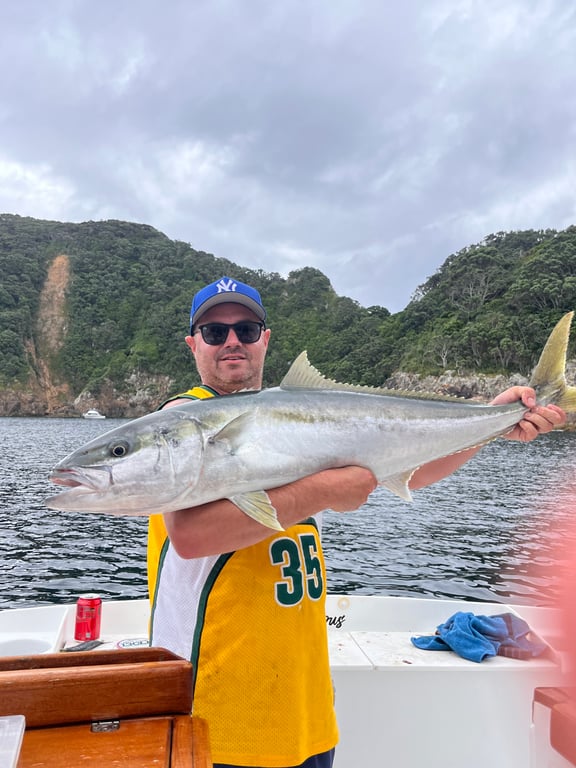
Still on the table, and very much of concern, are the following issues:
- The release of any camera footage from commercial fishing vessels illegal and punishable to the tune of $50,000 - and for it to be impossible to acquire the footage via the Official Information Act (OIA)
- Any catch on commercial vessels can either be discarded or kept; this decision is made on the boat at the time
- The requirement for any future minister to consider impacts to the stocks and environment when setting catch limits is set to be removed. That means issues such as juvenile spawning areas, seasons, seabed damage from trawlers, species bycatch and more won't be eligible for consideration
- Public consultation is to be removed for five years. Any changes can only be made by the chief executive of the Ministry for Primary Industries, who only need to notify of changes rather than consult or request
- Proposal to reduce the required timeframe to challenge a minister's decision from 90 days, down to 20 days. Currently the OIA has 20 days to respond or seek an extension
What can we do
As of today, the fact that catching baby fish can't be done by commercial fishers, and marlin won't be commercialised, is due to the public keeping the government accountable. And we need to keep on it. Matt Watson has urged Kiwis to 'stay vigilant', while LegaSea project lead Sam Woolford is concerned that the issue with the amount of fish being caught, and the techniques being used, need to be dealt with prior to legislating an outcome.
"It's completely unacceptable that it's taken this huge public outcry for the government to pay attention. It's particularly unreasonable they think removing one small aspect of this legislation is going to placate New Zealanders."