
Hooked on Safety
A spate of drownings has prompted a new initiative to keep fishers safe around the water
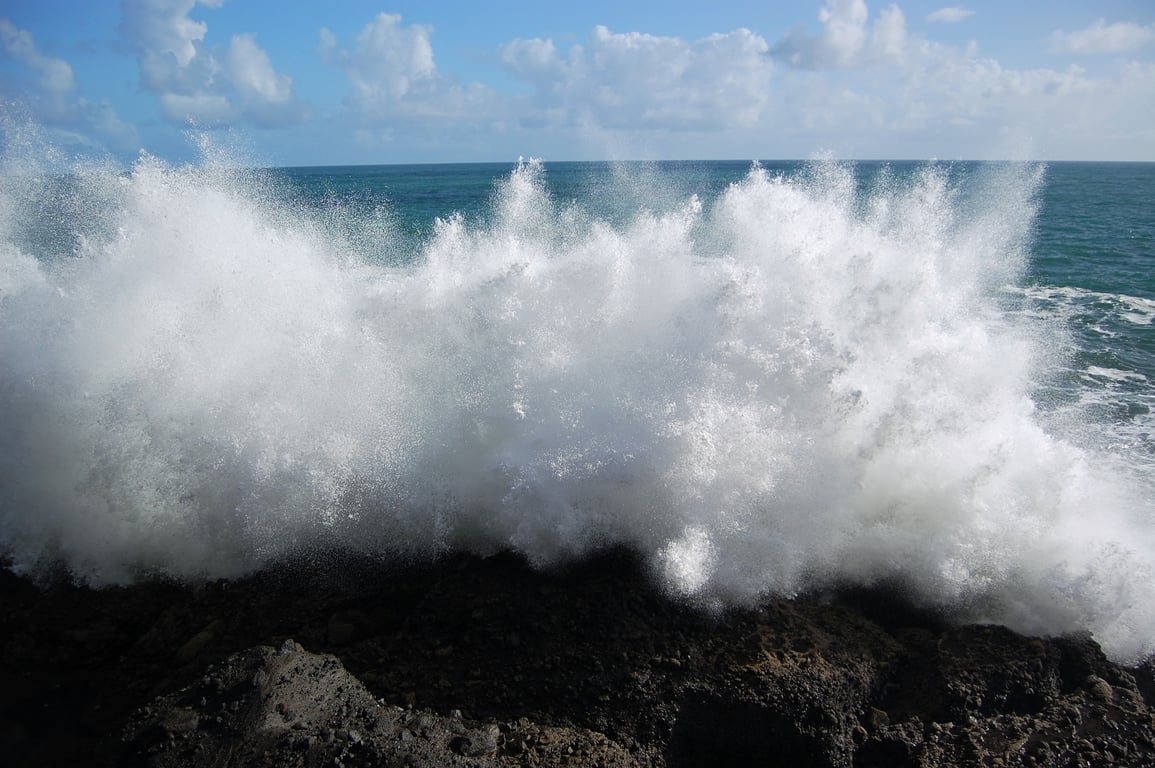

A fisherman who survived being swept into the sea at Papanui Point on Waikato's west coast has spoken out as part of a new initiative from the New Zealand Sport Fishing Council to help raise awareness of the dangers of people fishing alone.
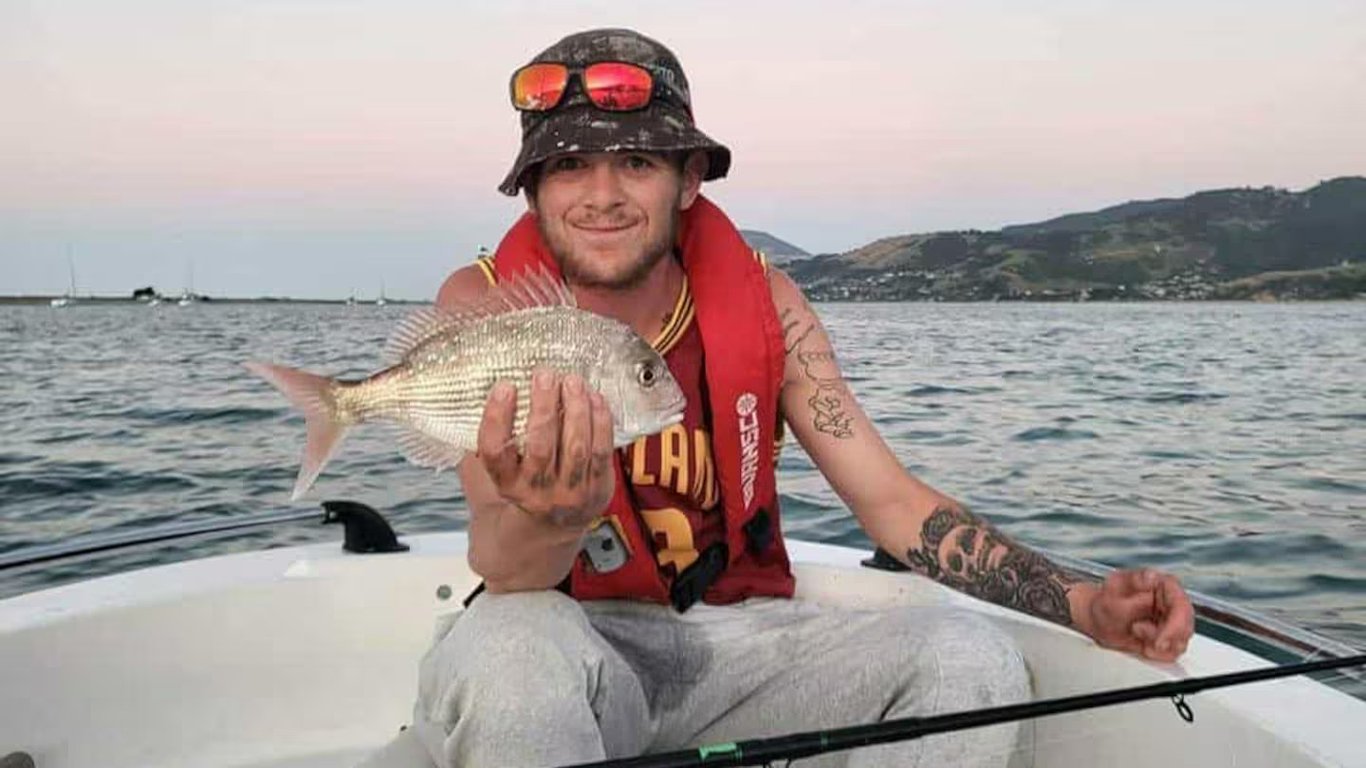
Baz was rock fishing alone near Raglan, on the western side of Kariori. He watched the swell, and waited for the tide to ease. Then he hooked a fish.
"My mind of all thee conditions just went out the window," says Baz. "All I remember was a big bang."
A surge swept him from the rocks, and within moments he was drifting offshore, wearing gumboots, heavy wet weather gear and no lifejacket.
Luckily, Baz survived. "I didn't panic. I floated," he says.
Baz's story is one of many. Papanui Point local fisherman Callum McFarlane told The Post in January 2026 that he's seen some very close calls of people nearly being swept away, despite the area's reputation, and an illustrated sign warning of a 'risk of drowning'.
Papanui Point is the country's deadliest rock fishing spot -Water Safety New Zealand has recorded over 20 fatalities there, and last December a coroner's report urged a total ban on the isolated spot after releasing findings into the deaths of two men who drowned there in October 2021.
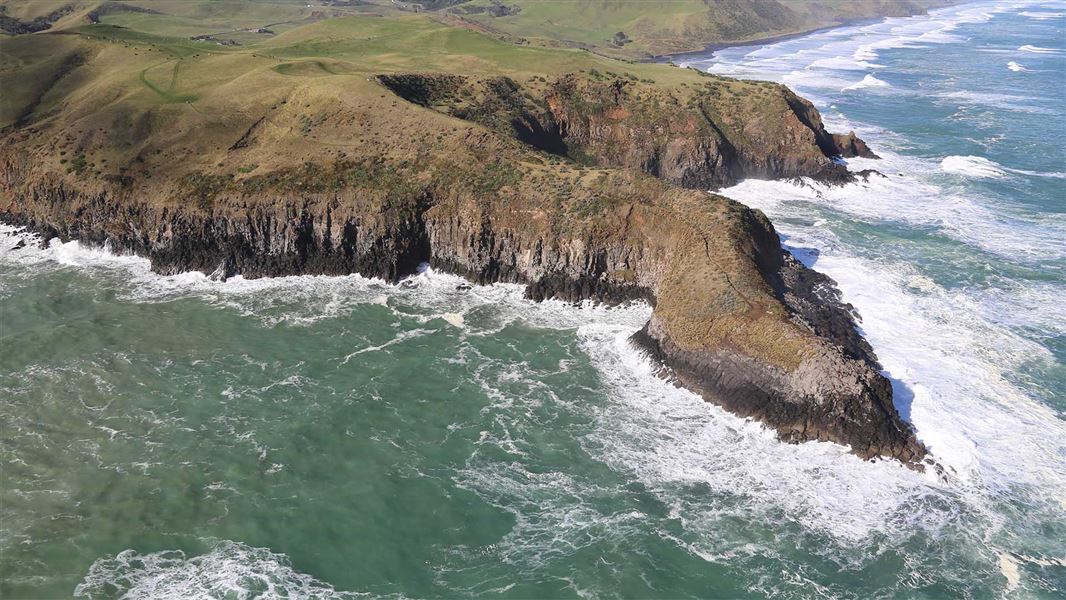
Latest drowning prevention data from Water Safety New Zealand shows the risk of being alone remains a defining factor in preventable deaths. In 2025, more than half of all drowning deaths involved people who were by themselves.
Land-based fishing continues to present serious risks. There were 10 such deaths in 2025 - well above the 10-year average of six - and all 10 were men. Most occurred in coastal locations, including high-risk areas like Papanui Point.
New Zealand Sport Fishing Council Lead Mike Plant says stories like these are the reason the Council has launched its Hooked on Safety initiative.
"As an organisation, we thought were up to speed with water safety and responsible boating. The past few years has changed that. We have seen too many fishers drown. We have watched our community head out not to fish, but to search. For mates, for family and for club members.
"Being on the water is part of who we are, but we want our people to come home safe. That's why we are stepping up and being part of the solution."
Hooked on Safety co-chair Dr. Mick Kearney says Papanui Point is well known as a high-risk location. "It has a long history of drowning deaths. It is a recognised black spot." Other black spots include Manukau Harbour, Muriwai Beach, Bethells Beach, Waikato River (Hamilton city limits), Wellington Harbour, Piha (north and south), Karioitahi Beach, Manukau Heads and Mount Maunganui.
However, when one mistake meets one surge, fatalities can happen anywhere, especially when people are fishing alone. To help people understand the risks, New Zealand Sport Fishing has created Pod & Reel, a podcast that shares the stories fishers don't often talk about - including those moments when things start to go wrong. Baz's stories features in Episode One An Unplanned Swim Part One; click this link to hear this and more episodes coming soon.
Through close calls and near misses, to incidents that have ended with lives changed forever, Pod & Reel gives Kiwi boaties and fishers a rare, honest look at how quickly the ocean can turn. These are real people, real decision, and real consequences, aimed at encouraging conversations in clubs and communities, challenging complacency, and reinforcing the simple safety habits that ensures our mates, our family and our friends make it home.
Read more from
Dive Pacific
Dive Pacific is the media arm of the New Zealand Underwater Association