
Have your say: Proposed changes to Auckland lifejacket regulations
One rule for all will help save lives
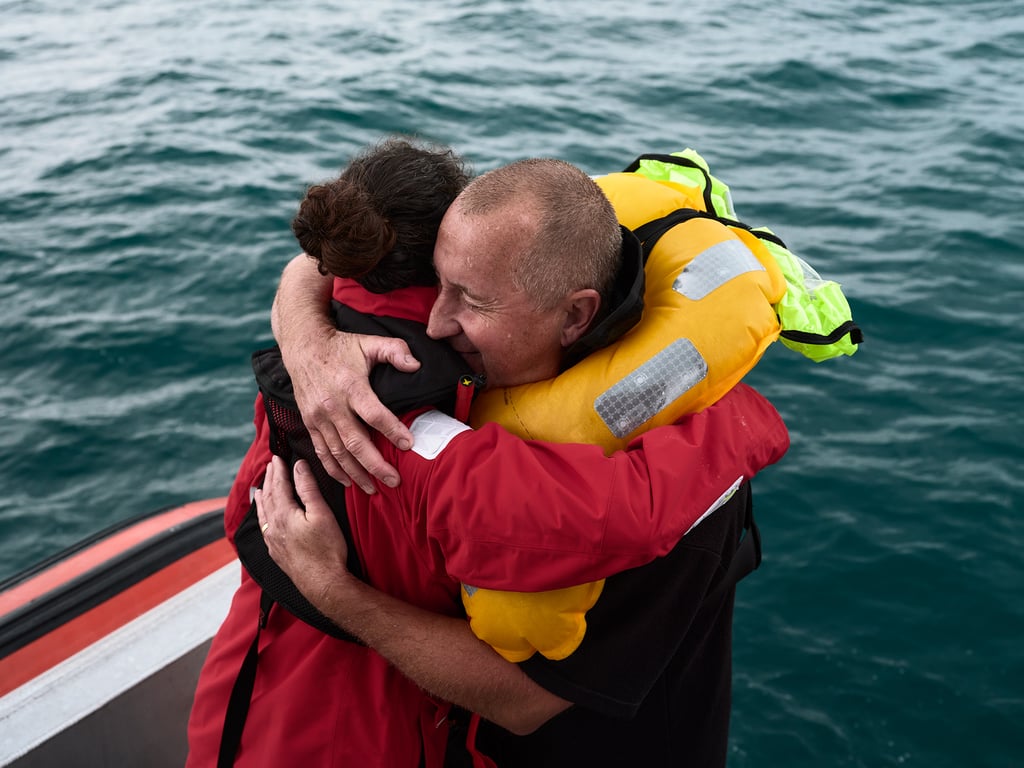

We've all heard the stories. What started as a great day out on the water ends in tragedy - and the same sentence appears every time. "The victims were not wearing lifejackets."
Most incidents aren’t dramatic; they’re ordinary moments that escalate fast - a wake, a slip, a capsize, a mechanical failure, a bar crossing. When someone is in the water, there’s rarely time to put a lifejacket on. Wearing it from the start is what turns seconds into survival.
Coastguard NZ, Dive Pacific and the NZUA, and multiple water safety organisations have been advocating for stronger rules for years for Auckland. Last year, Northland, Auckland, Waikato and Bay of Plenty accounted for 51 or the 78 people who lost their lives to drowning.
Aucklanders are now being invited to have their say on proposed changes to the region's navigations rules, which play a key role in keeping people who use our waterways safe.
Auckland Council has opened public consultation on proposed changes to the Auckland Navigation Bylaw that would make lifejackets mandatory on recreational vessels six metres and under - a move Coastguard New Zealand believes is long overdue.
The key proposed updates are:
- Compulsory lifejackets on boats, jetskis, kayaks and SUPs under six metres
- Emerging craft regulations: new speed and safety regulations for new and emerging vessels such as hydrofoils and tow-foiling equipment
- Revised mooring rules designed to ensure fairness and consistency for all waterway users; and
- Clarification of Harbourmaster powers and the introduction of new exclusion zones around sensitive or high-traffic marine areas, including around Auckland Airport and high-use or sensitive areas such as the Auckland Harbour Bridge and Tāmaki River rowing precinct.
Public consultation for the bylaw is open until June 7, 2026.
Why the change?
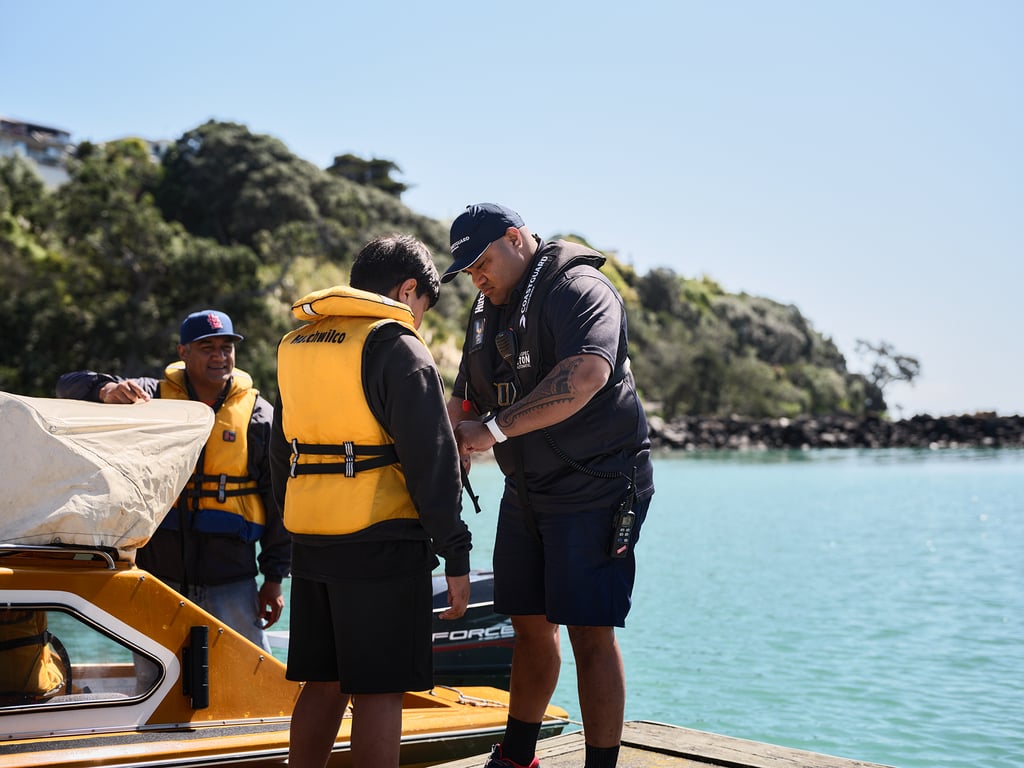
Under current rules, it's compulsory to wear a lifejacket on any vessel under six metres, unless the person in charge of the vessel gives permission not to wear one. This is more permissive than other regions across New Zealand, such as Nelson, Tasman and Marlborough, where lifejackets must be worn while the vessel is underway.
Multiple national organisations have spent the past few years pushing for better regulations around the use of personal flotation devices (lifejackets).
"We know the vast majority of boating fatalities in New Zealand happen on small boats where the victim is not wearing a lifejacket," says Manukau Councillor Alf Filipaina. "Even thought hey might have had one on board, accidents can happen very suddenly.
"Some boaties might find this rule inconvenient at first - much as people did when mandatory seatbelts or bike helmets were introduced. But at the end of the day, it's a simple change that's going to save lives."
Why is Auckland different from other regions?
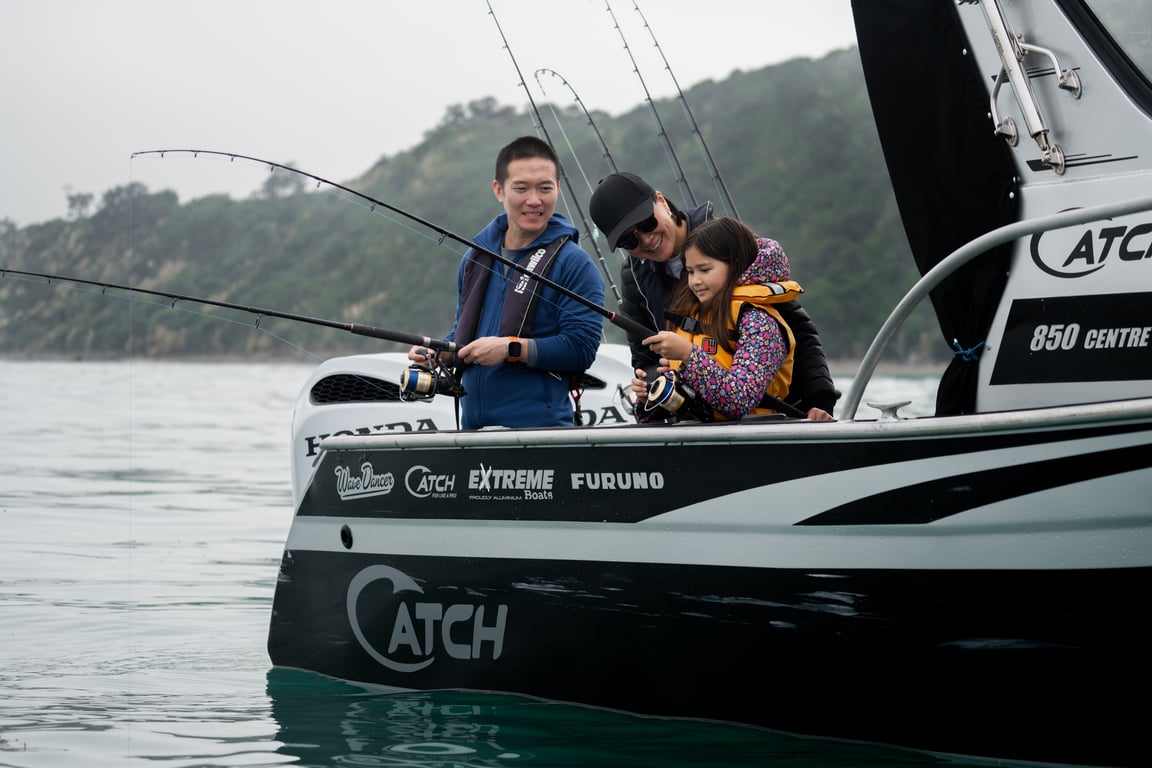
One of the issues around enforcing regulations to date has been that different areas of the country have different rules. Nationally, every vessel must carry correctly-fitting lifejackets for everyone on board. However, because each region manages its own waterways, the rules are different depending on where you're boating.
Every region has its own bylaws and therefore different rules. Under the current Auckland bylaw, lifejacket wearing on small vessels can be waived at the discretion of the skipper.
In contrast, other regions - including Waikato - have moved to clearer, more prescriptive requirements, where wearing a lifejacket while underway is the default expectation.
The proposed changes in Auckland are not about creating something new and untested. In fact, they are explicitly designed to align with the wording already used in Waikato.
That alignment matters because it reduces confusion for people boating across regions, supports consistent behaviour, and reinforces a shared direction of travel for water safety.
So rather than Auckland being “different,” the intent is to move towards greater consistency now (with neighbouring regions), while supporting the longer-term goal of one clear national rule.
What can you do?
Public feedback is essential to improve Auckland's navigation bylaws. Visit akhaveyoursay.aucklandcouncilgovt.nz to learn more and provide feedback online. Submissions can also be made in writing, in person or by phone.
While Auckland Council is leading the review, water safety organisations are united in their message: almost all boating fatalities are preventable, and small changes in behaviour - like wearing a lifejacket - can make a life-saving difference. The current consultation gives Aucklanders a chance to weigh in on how best to keep people safe on the water, now and into the future.