
Full Face Snorkel Mask Dangers
This common piece of equipment has been linked to multiple deaths in recent years
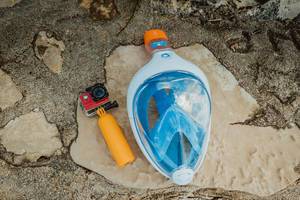

It seems like a great idea: pop on a mask that covers your whole face and you'll get to see more of the ocean, and it'll make breathing easier because you don't have to have a snorkel in your mouth, right?
Wrong, say multiple experts, many of whom have serious concerns about the lack of information provided on the critical risks associated with using full face masks. A 2023 study published in Diving and Hyperbaric Magazine found that full face masks carry significant risks; however, despite a spike in snorkelling-related deaths in 2018, many of which involved full face masks, they have become increasingly popular. They were used extensively during Covid after 2020, and are often favoured by 'tourist divers' or inexperienced snorkellers and children.
"Recent studies have determined there is a link between increased risk of harm when using full faced snorkel masks, when compared with a standard snorkel and mask," says Tom Karstensen, Chair of the New Zealand Underwater Association. "When not designed, manufactured and fitted properly, this type of mask/snorkel can cause repeated rebreathing of exhaled air, resulting in a build up of CO2."
What are the risks?
There are several risks associated with full face masks:
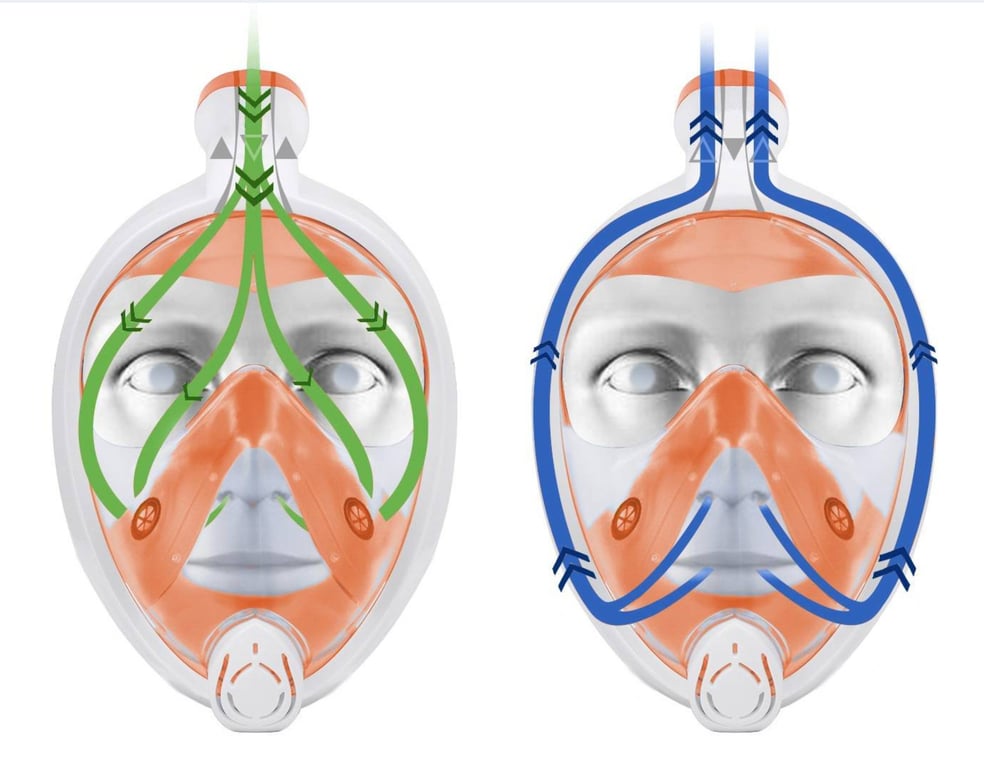
- Difficulties with emergency removal. The ability to remove your mask quickly and efficiently in an emergency situation is vital. Water leaking into the mask can be fatal, as it interrupts airflow, can increase CO2 buildup leading to blackout, and makes water harder to expel. Traditional masks and snorkels can be pulled off easily in one move, while full-face snorkel masks cover the entire face, and often require both hands and multiple steps to remove - something which can be very difficult when wet or under stress. Beginners, or anyone experiencing panic, can lose vital seconds trying to extricate themselves from their mask.
- Poor design and manufacture. As demand for full-face snorkel masks has grown, so has the availability of cheap knock-off designs, most of which have not undergone safety testing or certification. Design flaws like weak silicone seals, fragile plastic parts, faulty purge valves and lenses that fog up or obscure vision can all expose you to unnecessary risks.
While there are reputable brands offering full face masks, the benefits don't outweigh the dangers. If you do want one, it's essential you do your research before hiring or buying a full-face safety mask. If in doubt, stick with the tried and true separate mask and snorkel.
"The same principle applies to any equipment used under the water to support vital functions like breathing: Buy the best gear you can afford, and if you can't afford good gear, rent good gear," says Tom.
Always buy good quality gear from reputable suppliers, because no dive is worth dying for.