
Diving the North Atlantic frontier
Self-confessed dive addict Judy Ormandy submerges in the Faroe Islands

The Faroe Islands are a remote North Atlantic archipelago arising abruptly from the ocean between Iceland and Norway, and an autonomous territory within the Kingdom of Denmark. The 18 islands are home to around 55,000 people, more than 70,000 sheep, and some extraordinary coastal scenery. While their rugged landscapes and spectacular birdlife are well known, relatively little has been written about scuba diving in the Faroes.
Unsure of exactly what to expect, I booked two days of diving with North Atlantic Diving, based in the Faroese capital of Tórshavn. My guide, Andrias, pricked me up from my hotel on time and we set about sorting gear for the day. North Atlantic Diving can provide full equipment if required, although I used my own drysuit, fins, mask and computer. The rental equipment was all high quality, with Fourth Element drysuits and undersuits available.
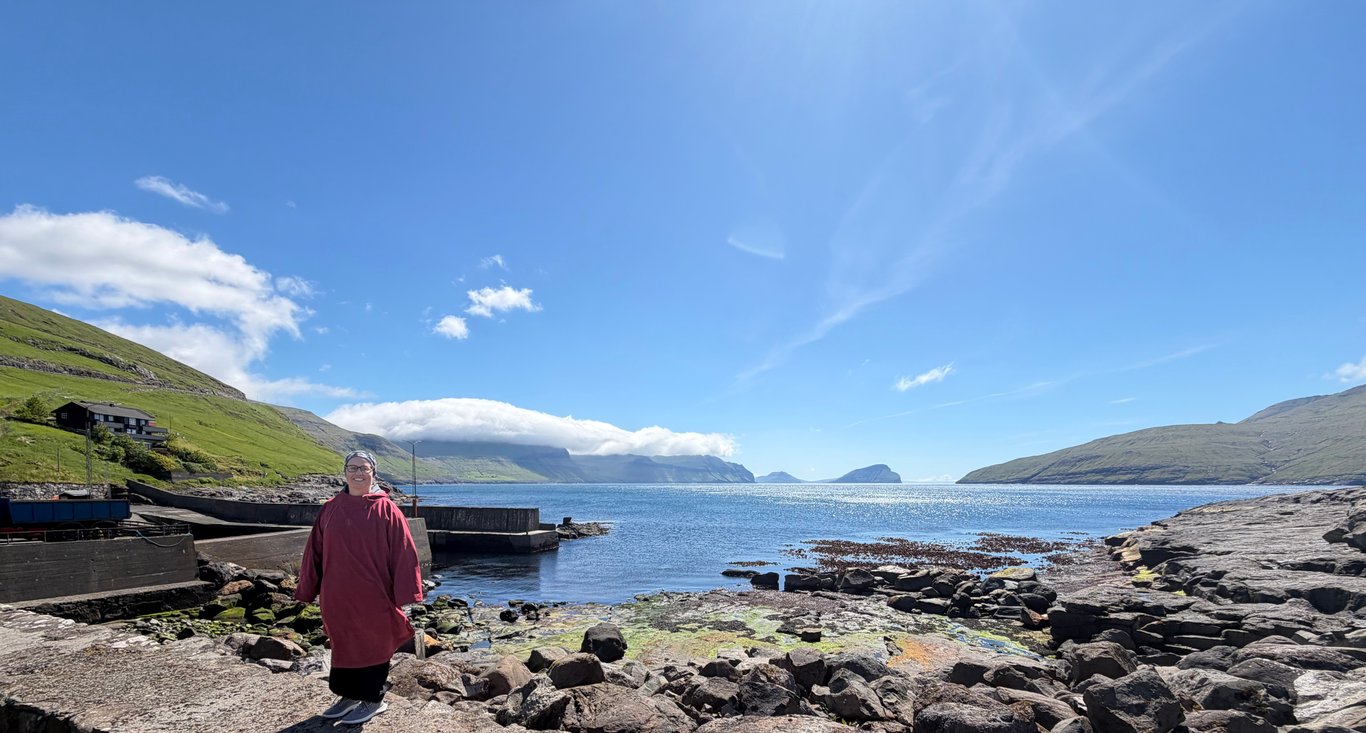
Andrias is one of 3 dive instructors working at North Atlantic Diving; diving is his ‘side gig’ to his regular office job in Tórshavn. With gear sorted out we headed to the first dive site of Kvivik, a settlement nestled on the island of Streymoy, with Viking excavations adjacent to the dive site. I was treated to a blue sky day, uncommon in the Faroe Islands and Andrias happily informed me that it was their first proper day of summer.
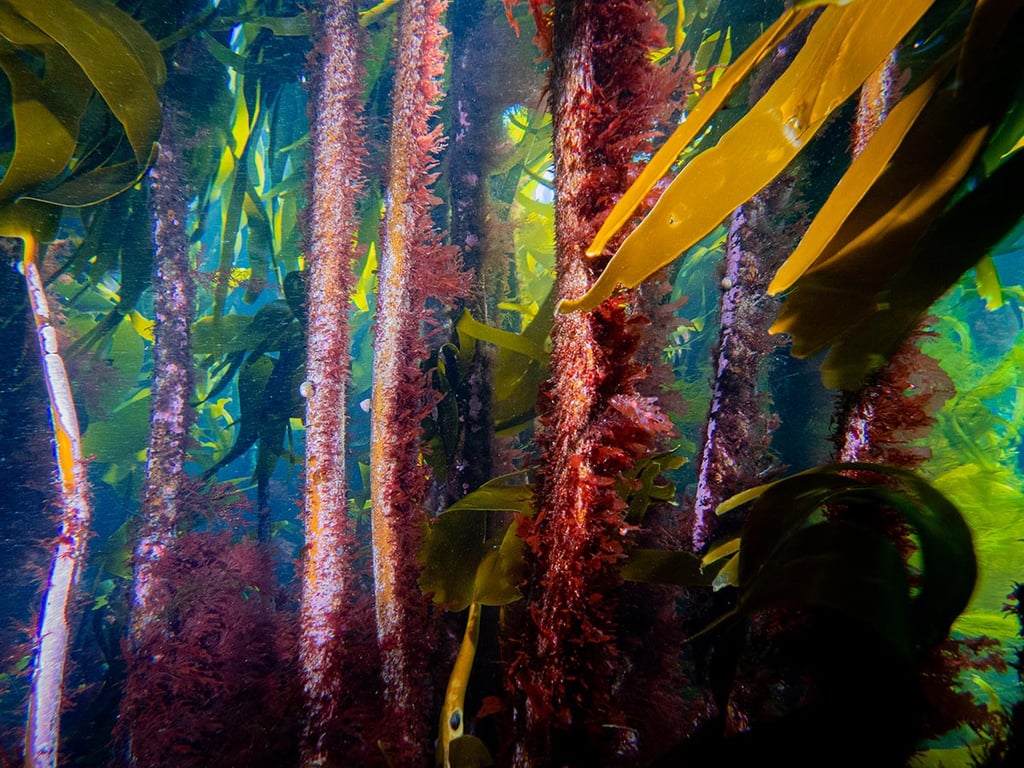
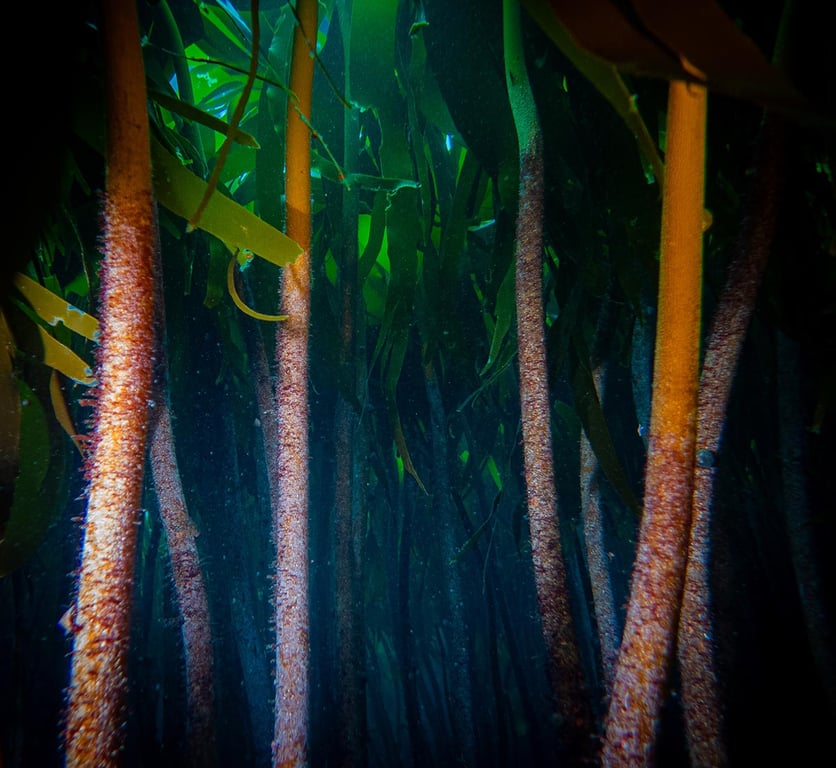
Summer or not, I was layered-up in merino base layers beneath my Halo AR undersuit and drysuit before giant-striding into the 9°C North Atlantic water. Moon jellyfish drifted gracefully through the shallows, while crabs scuttled across the rocky walls. The standout feature of this dive— and indeed every dive I completed in the Faroes—was the magnificent kelp forest. Dense stands of kelp rose from the seabed, with shafts of sunlight filtering through in shimmering beams, creating the ethereal atmosphere of an underwater cathedral.
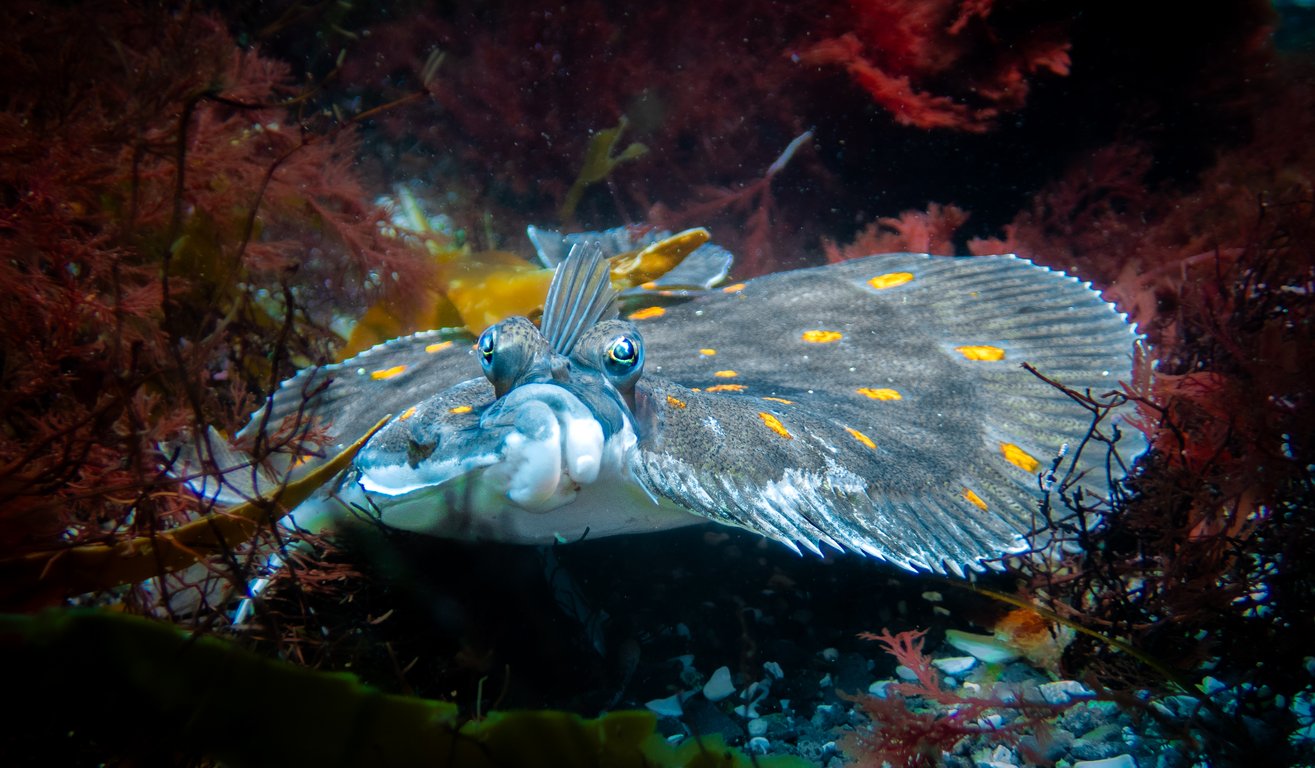
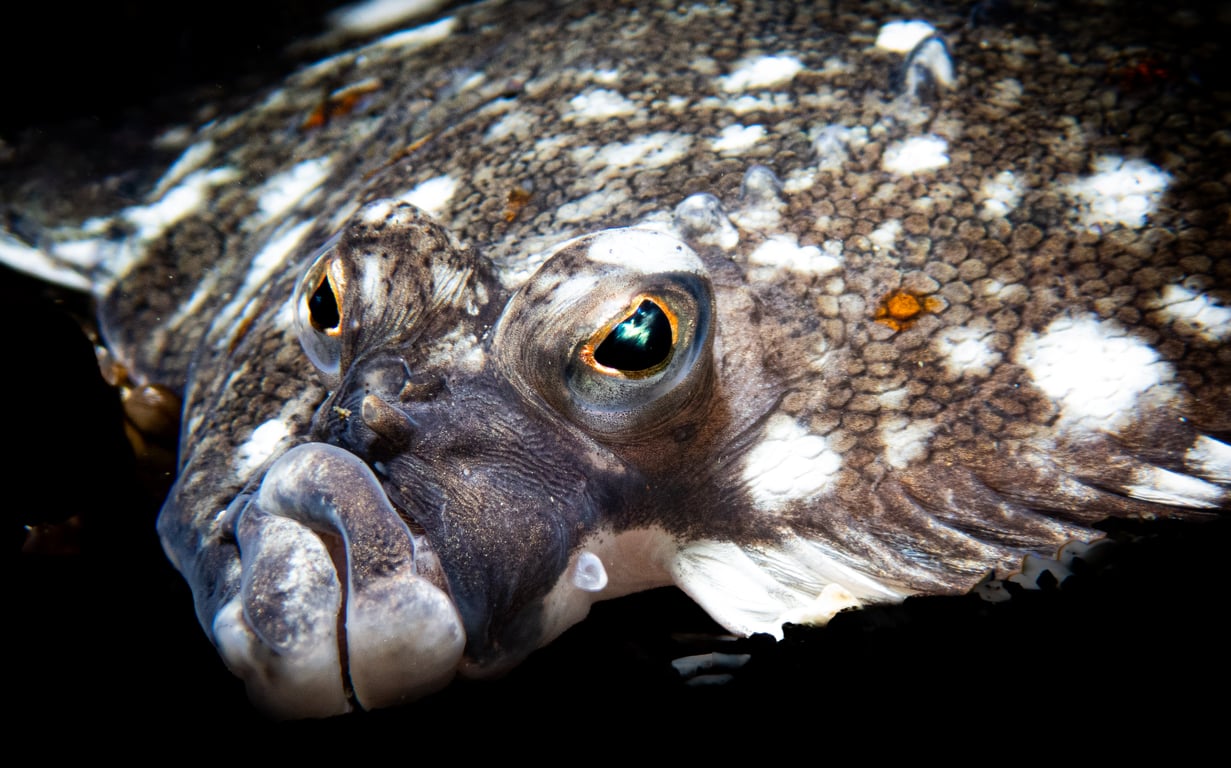
Beyond the kelp, flatfish, or European plaice, lay partially buried in the sand. Remaining motionless for long periods to avoid predators and ambush prey, these fish made excellent photographic subjects.
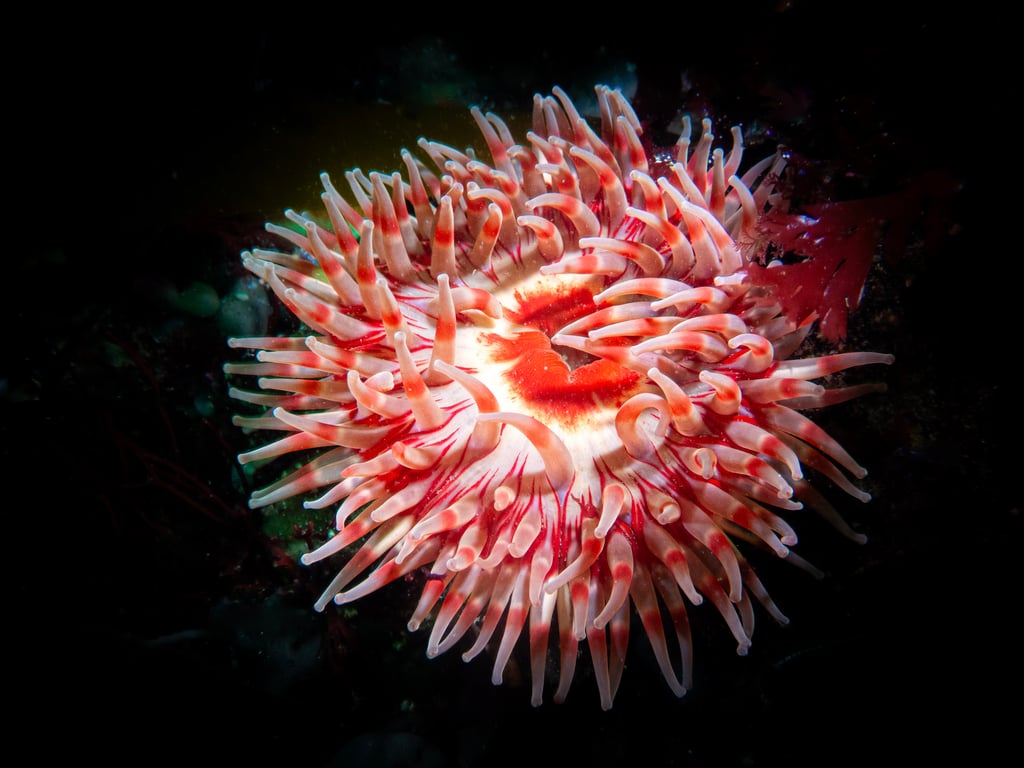
Between dives we thawed out with hot tea and chocolate biscuits before relocating to Hvítanes, a small settlement just outside Tórshavn. Here, the kelp forests sheltered an array of marine life. Nudibranchs and isopods clung to the swaying fronds, while colonies of dead man's fingers coated the rock walls. Large, vividly-coloured sea anemones protruded from the sand, and edible crabs (Cancer pagurus) peered defiantly from beneath the kelp. It was a delightful 85-minute dive, although by the end I was beginning to lose feeling in my fingers with my 5 mm neoprene gloves. Andrias was wearing dry gloves and while I've never been particularly fond of using them, they may have been the wiser choice.
Our second day of diving began at Tjørnuvík, the northernmost village on Streymoy. Reaching it involved negotiating a narrow, winding road carved into the hillside with dazzling views. Tourists seemed somewhat bemused that we were voluntarily entering the chilly Atlantic, and I suspected we had become part of the village tourist attraction.
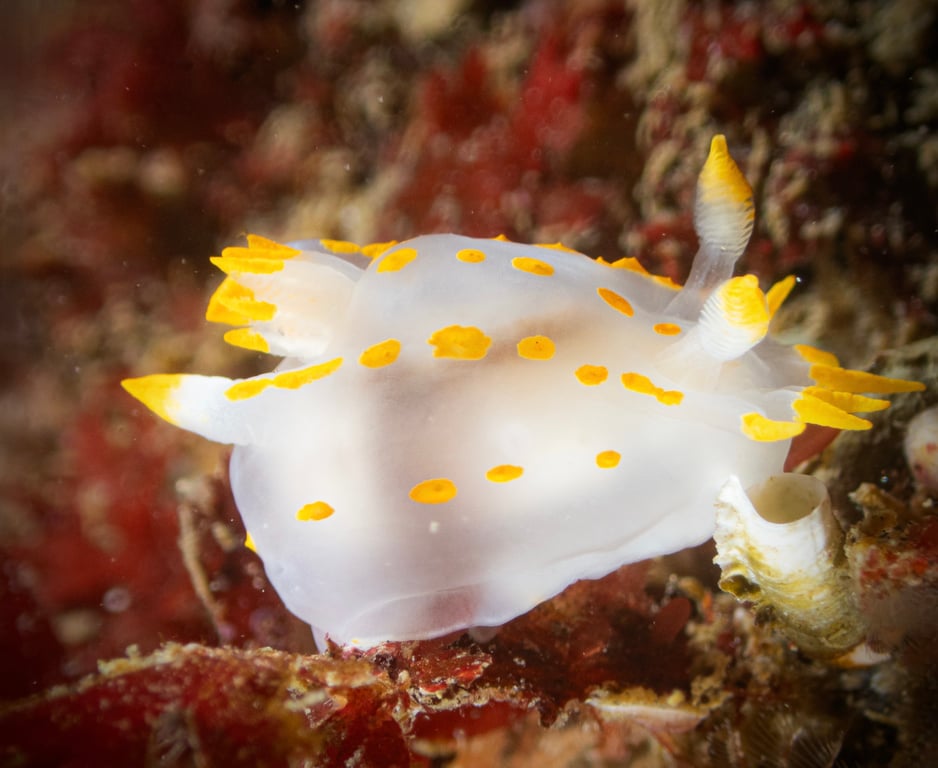
From the shore we had clear views of Risin and Kellingin, the famous sea stacks that rise dramatically from the ocean beside towering cliffs. According to Faroese legend, the giant and the witch attempted to drag the Faroe islands back to Iceland but were caught by the rising sun and turned to stone. Beneath the surface, the walls were shimmered with sea-lemon dorid nudibranchs and spirals of their egg ribbons. Caves and crevices punctuated the rock face, while the kelp forests swayed mesmerisingly during our 70 minute dive.
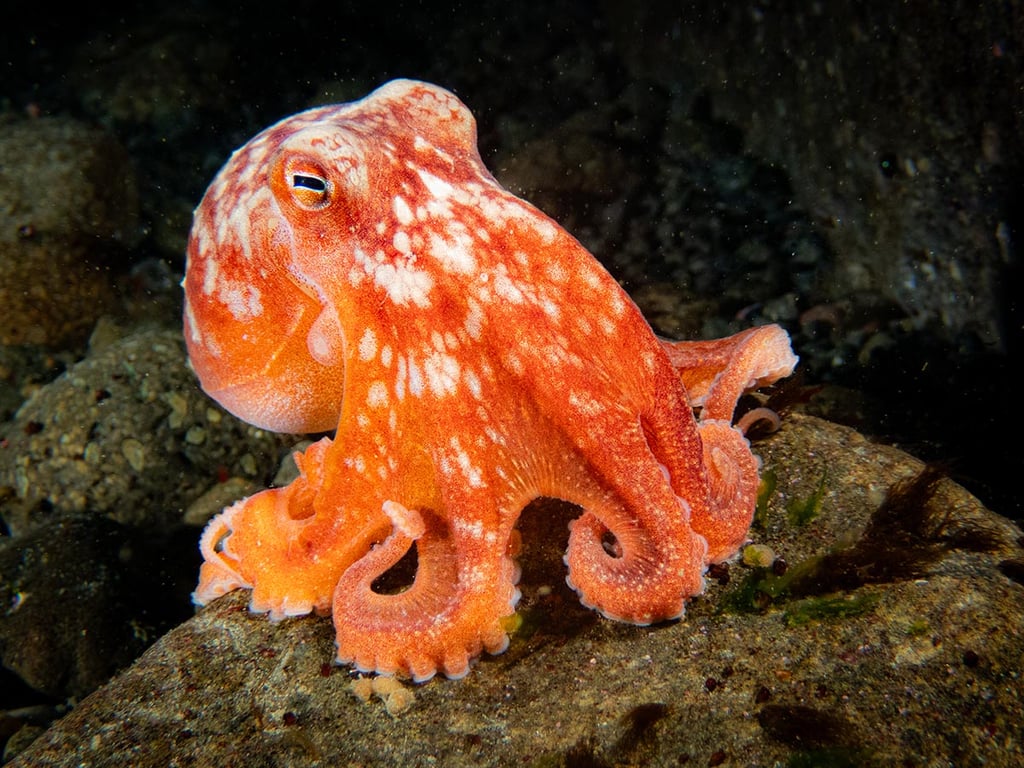
My favourite dive of the trip was saved for last. Gjógv, whose name translates simply as "gorge", features a narrow sea-filled cleft that provides shelter from the often-exposed Faroese coastline. The walls were rich with life, and I spotted five different species of nudibranch, numerous crabs and colourful sea anemones. The highlight was a curious octopus that seemed happy to pose for photographs, pirouetting gracefully across the rocks.
After surfacing, we warmed up with hot chocolates and waffles at the local shop, an excellent way to end two memorable days of diving in the Faroe Islands. All dives were shore dives, with giant-stride entries and exits involving some scrambling over rocks or up ladders. Andrias was always on hand to assist when needed. Depths were generally between 10 and 15 metres, with visibility ranging from around 8 to 10 metres.

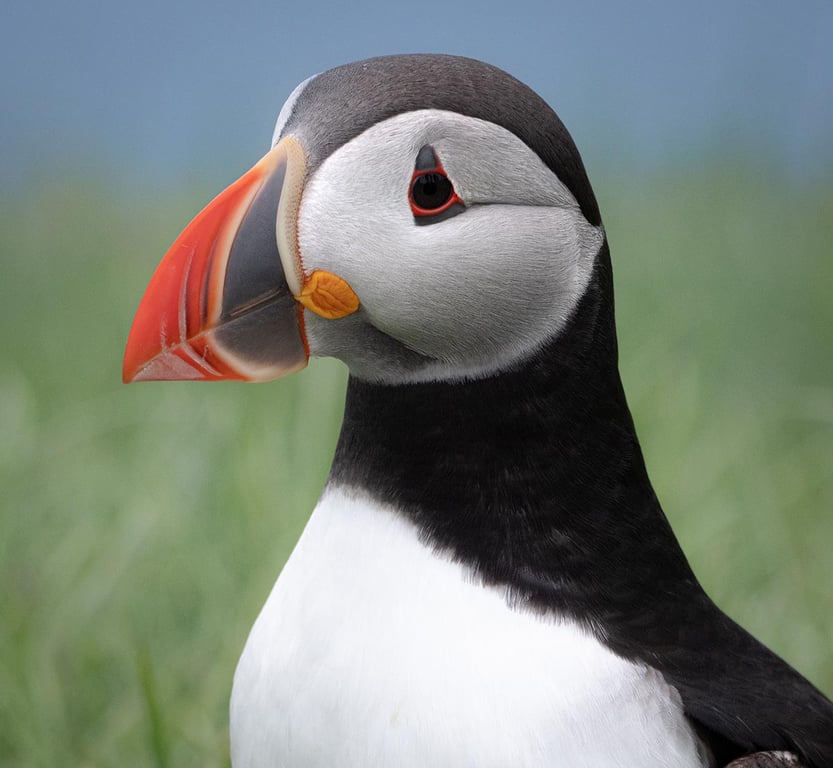
Along with diving, I wanted to experience the Faroes’ renowned hikes and birdlife. I made the pilgrimage to Mykines, the westernmost island in the archipelago. Reaching Mykines can be an adventure in itself as the ferry is often cancelled because the island's exposed landing is vulnerable to the North Atlantic swell. The weather gods obliged, and Mykines resident Oda’s tour gave us a fascinating insight into Faroese life while sharing her passion for the island's famous puffin colony The ridiculously cute puffins nest on the grassy clifftops each summer and were as enchanting as I had anticipated. In true Faroese fashion, the weather changed rapidly throughout the hike, delivering pelting rain, strong winds and then brilliant sunshine, all within the space of a couple of hours.
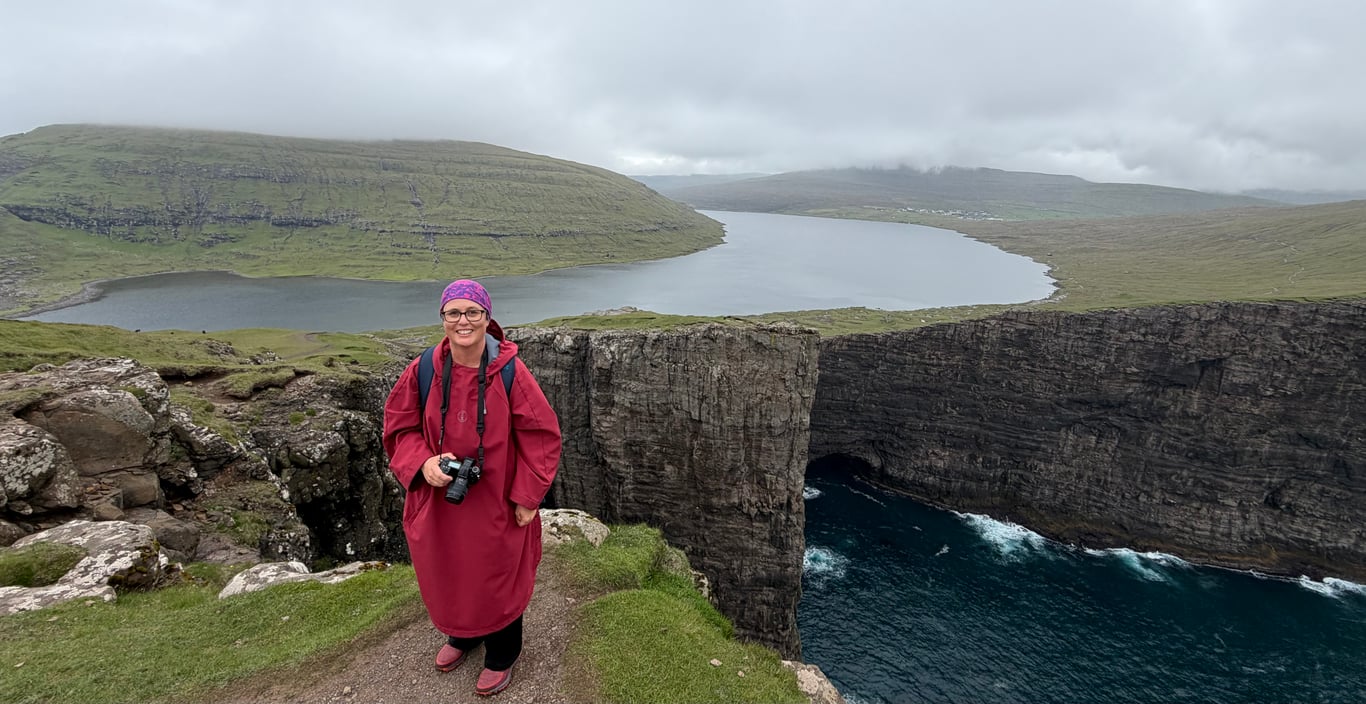
I enjoyed several hikes with Birita, another local guide whose enthusiasm for her homeland was infectious. From the village of Miðvágur on Vágar Island, we hiked to Lake Leitisvatn, the largest lake in the Faroe Islands. The views from the soaring Trælanípa cliffs are awe-inspiring, and at the far end of the lake, water plunges over Bøsdalafossur Waterfall before cascading directly into the Atlantic Ocean. Lake Leitisvatn is often referred to as the “lake above the ocean” and from a particular vantage point, an optical illusion shows the lake ‘hovering’ above the ocean.
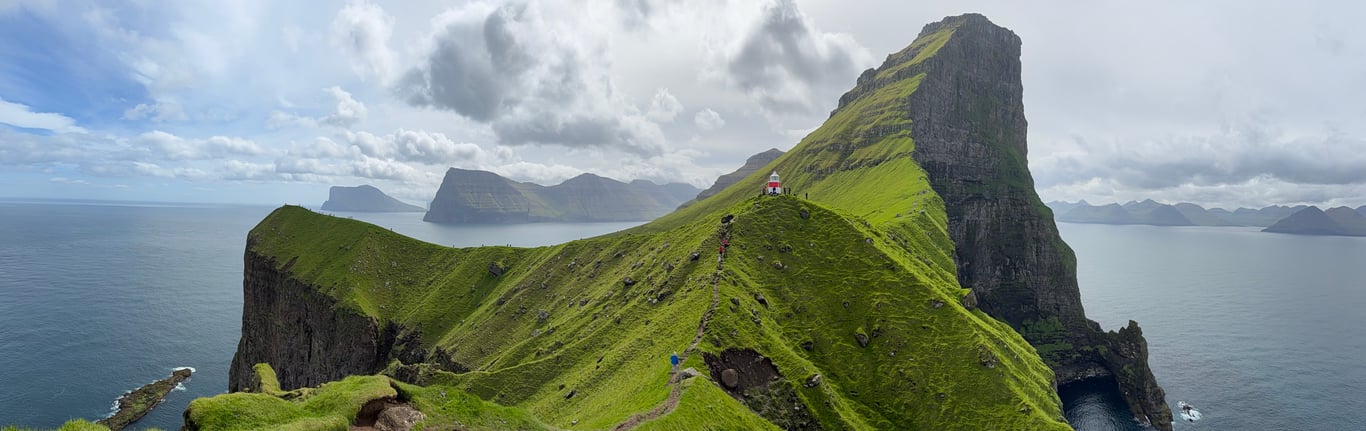
Another fabulous excursion was to Kalsoy, accessible by ferry and known as the "Flute Island" because of its long, narrow shape and the series of tunnels that connect its settlements. Home to around 90 residents, Kalsoy boasts breathtaking scenery that gained international fame as a filming location for the James Bond movie No Time to Die. The hike to Kallur Lighthouse, perched on the tip of a jagged headland and commanding thrilling views over the sheer cliffs, surrounding ocean and bird colonies, was worth the effort.
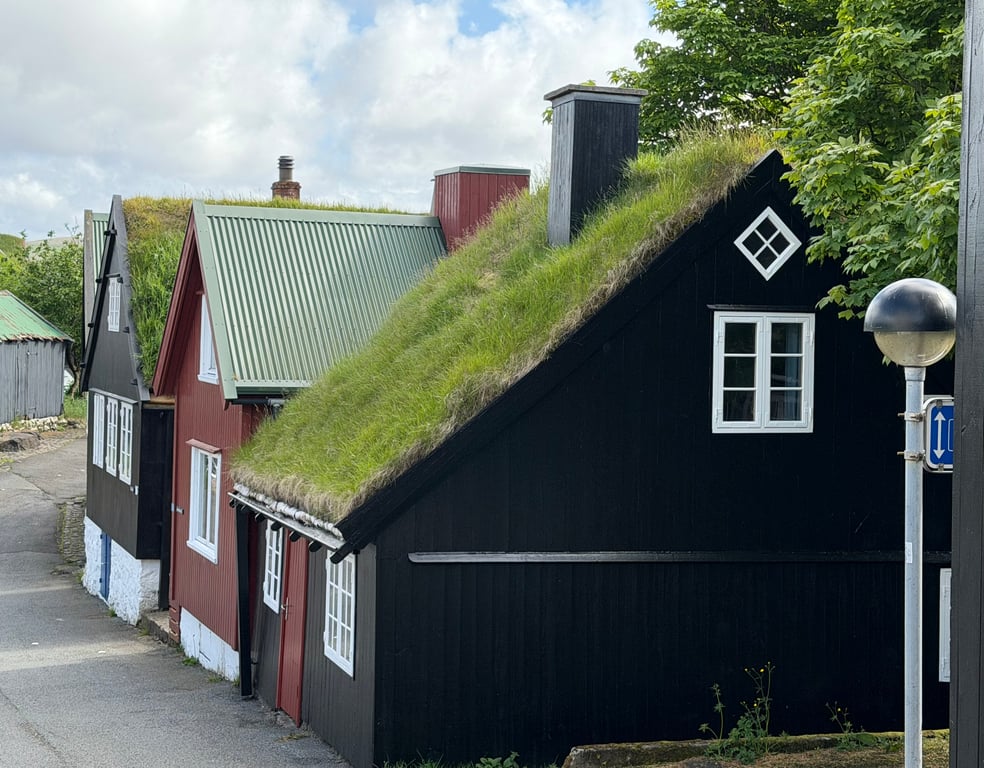
Back in the capital, I strolled through the historic heart of Tórshavn. Perched on a narrow peninsula between the harbour and the sea, Tinganes is a maze of narrow lanes lined with traditional wooden houses topped by distinctive grass roofs. Many of these centuries-old buildings remain in everyday use today.
I am astonished that the Faroe Islands have flown so ‘under the radar’ as a diving destination when they offer such world-class diving. The shore diving was relatively straightforward, with no currents and depths that allowed for long dive times, provided you could handle the cold.
North Atlantic Diving provided a first-class service and also offer boat diving and can blend mixed gases. I’d love to return to try the boat dives and tech diving opportunities (albeit using dry gloves!). I visited in June so was treated to almost endless daylight with the sun setting at 1130pm and rising about 3am. The small, dedicated, Faroese dive community dive all year round, the water temperature is relatively stable and drops only to around 5°C in winter. Andrias informed me that those braving the winter diving are rewarded with great visibility and wonderful night diving opportunities.
Remót travel efficiently organised my Faroese accommodation, transfers and activities and all went seamlessly. The local language is Faroese but English is widely spoken. The Faroe Islands are easy to get around with an impressively engineered network of tunnels connecting the islands, including the world’s first undersea roundabout in the 11.2 kilometre long Eystturoyartunnil (a tourist attraction in its own right). Vágar airport can be reached by a 2-3 hour flight from various European cities, with Copenhagen having the most frequent connections. The Faroe Islands are not a budget-friendly destination, think Scandinavian prices with a surcharge for them being isolated islands where most things need to be imported. I’ll need to start saving for a return visit.
Follow Judy on Instagram here.
.