
Diving in Wellington: what you need to know
'Catastrophic' sewage plant failure worsened by weather
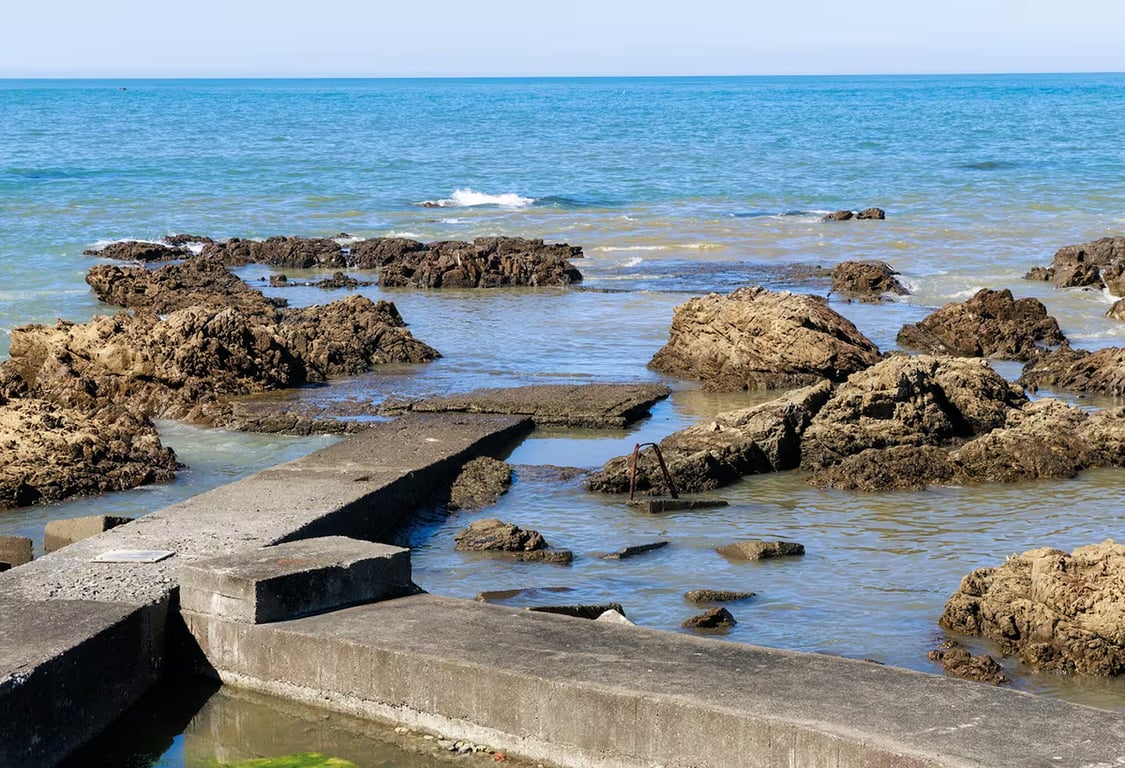

Red heavy rain warnings continuing across the North Island are exacerbating already serious concerns about the effects of the 'catastrophic failure' at the Moa Point wastewater treatment plant, which led to the Chair of Wellington Water, Nick Leggett, resigning yesterday, Sunday February 15th 2026.
Leggett released a statement, saying he is stepping down after the 'deeply serious' disaster. "While the operational causes of this event will be independently examined by a government review, leadership carries responsibility. Crises like these undermine public trust in institutions, and we won't begin restoring that trust until leader accept responsibility, in actions as well as words.
"As Chair of Wellington Water, I believe therefore it is appropriate that I step aside."
Wellington Water's deputy board chair, Bill Bayfield, will fill in on an interim basis until a new chair is confirmed.
The announcement came the same day Wellingtonians were once again warned to stay away from south coast beaches, as severe wind and rainfall continue to pound the region. Untreated sewage from Moa Point has again been discharged overnight via the Moa Point short outfall due to heavy rain, and authorities are continuing to strongly advise people to stay away from all south coast beaches.
As it happened
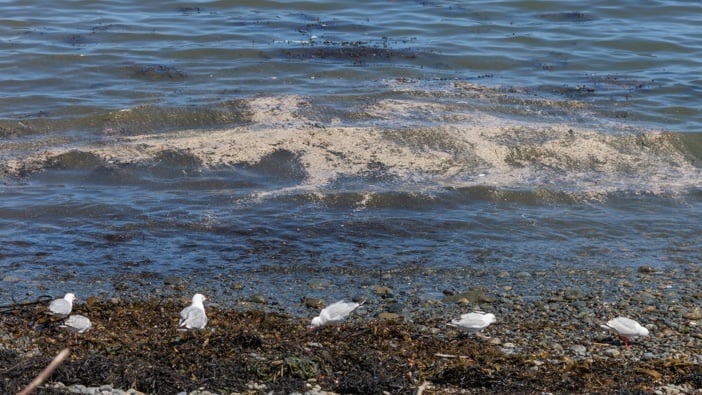
At 1am on Wednesday February 4th, 2026, brown waves were seen rolling onto Wellington's south coast beaches after the city's Moa Point treatment plant discharged untreated sewage into the sea this week.
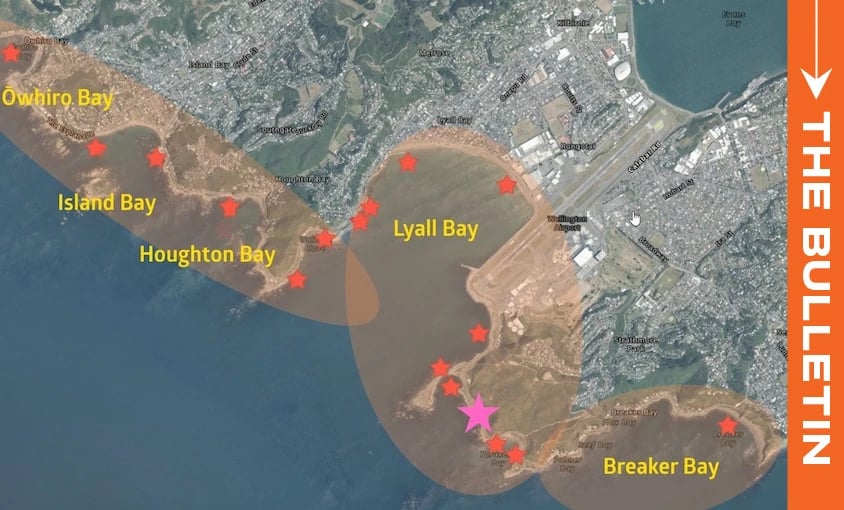
An average of around 70 million litres of untreated wastewater was being jettisoned into the south coastal sea every day since the incident was discovered, after heavy rain and flooding flooded the building's lower floors and caused a power outage. The untreated waste water poured into Tarakena Bay, with authorities suggesting the 'catastrophic disaster' could take months to fix.
Wellington Water chief executive Pat Dougherty, along with Wellington mayor Andrew Little, have urged people to stay away from the south coast beaches for the foreseeable future, dampening the spirits of divers who were hoping to make the most of the good weather this Waitangi weekend.
Can I still dive in Wellington?
The short answer is - no, not on the south coast.
Wellingtonians are unable to use the south coast beaches for the next few weeks. "Plan not to swim. Don't take your dog onto the beach. Don't let the kids play on the beach. The risks are too high," said Little.
Wellington Council is investigating the incident, and is warning people not to go into the water or collect kai moana (seafood) from the area.
The Department of Conservation (DoC) has also raised concerns that the sewage being pumped into the sea could put several species at risk, and contaminate the nearby Taputeranga Marine Reserve, a local favourite dive site and a crucial area for marine species.
If you come across sick, injured or dead wildlife, contact DoC or MPI who will advise on next steps.