
Poaching and pillaging: Fines and home detention for illegal gathering
An aquaculture company and a private diver have both received sentences
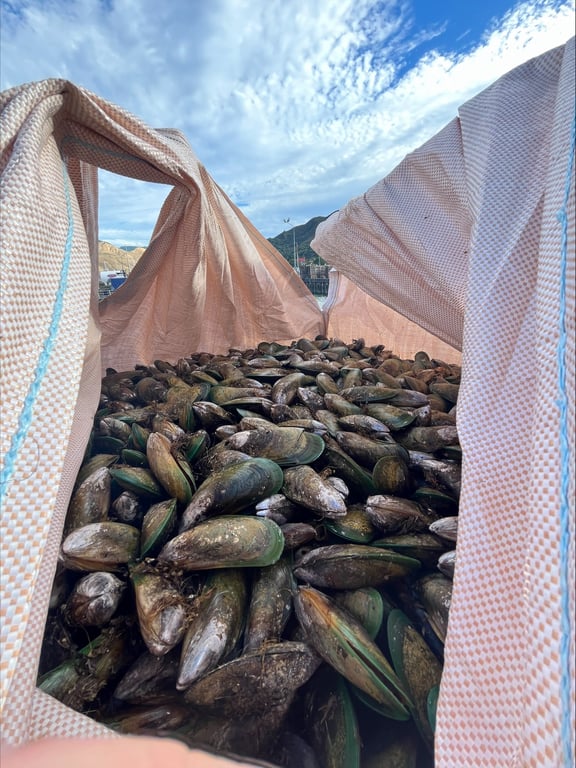

A Canterbury aquaculture company that illegally supplied hundreds of thousands of live green-lipped mussels from a restricted area to an exporter has been fined $24,000.
Aroma Aquaculture Limited was sentenced in the Christchurch District Court today (May 13) on one representative charge under the Biosecurity Act, following a successful prosecution by the Ministry for Primary Industries.
“This company supplied 27 consignments totalling about 259,000kg of live green-lipped mussels to the licenced fish receiver and exporter Ikana New Zealand Limited.
“The movement of the shellfish was in breach of movement controls in place to prevent the spread of Bonamia ostreae,” says Aleshea Allen, Hcting Director of Investigations and Compliance support.
Ikana New Zealand Limited did not have a permit to receive the shellfish and was fined $30,000 in March for its part in the offending.
“Bonamia ostreae has had a significant effect on the flat-oyster fishery, and we all need to do our part to prevent it from spreading. The movement controls are well understood by industry and have been in place across areas of the South Island since 2015,” says Ms Allen.
The investigation began when a biosecurity inspector discovered evidence that consignments of green-lipped mussels were being moved illegally by a group of seafood
producers, transporters and processors.
“Our investigation found shellfish were moved in breach of biosecurity regulations as a result of a direct business arrangement between the management of Aroma Aquaculture and Ikana New Zealand.
"The vast majority of people who work in the aquaculture industry are responsible and do the right thing by following all rules and regulations. Aroma Aquaculture’s actions had the potential to cause serious harm to both the natural environment, and to the reputation of our country’s multi-million-dollar export and domestic shellfish industry. When we find evidence of offending, we take action," Ms Allen says.
Poaching on the increase
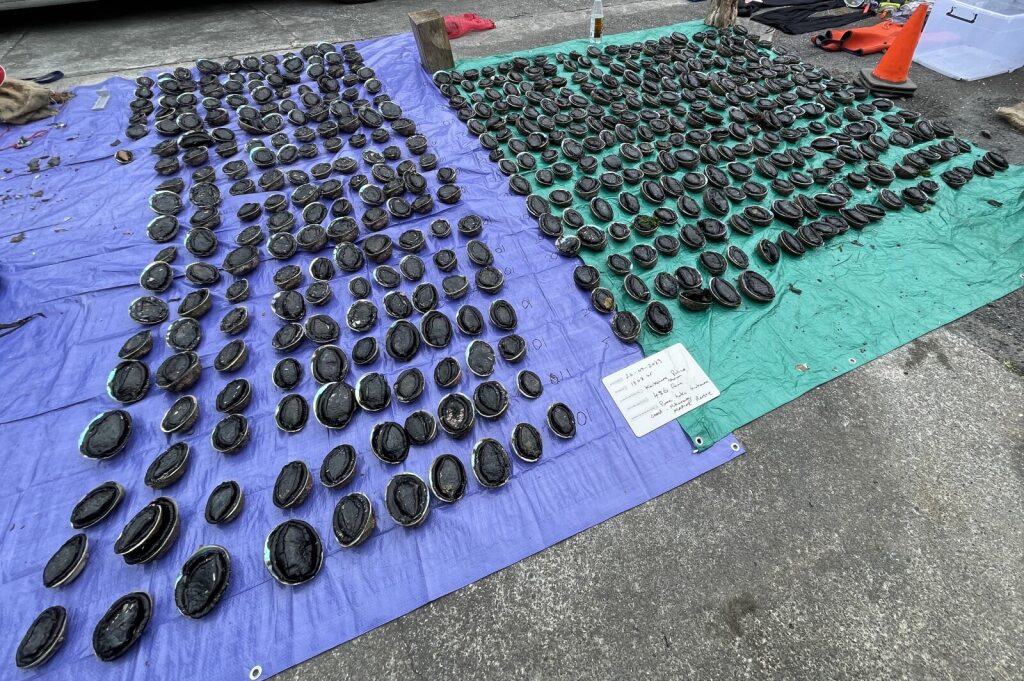
Pāua was also on the menu for a marine cheat earlier this month, after Christchurch man Bruce Honey Tata, 48, was placed on four months' home detention for taking 486 pāua - 159 of which were undersized - from a marine reserve, with a plan to sell it.

Tata was sentenced on May 12, 2026 in the Hamilton District Court, following a successful prosecution by the Ministry for Primary Industries (MPI). The sentence includes a condition that Tata must attend and complete a Titanga programme or counselling.
"Mr Tata and his son took 485 pāua from Hikurangi Marine Reserve, south of Kaikoura, where it is prohibited to take the shellfish," says Garreth Jay, Fisheries New Zealand's Regional Managr South. "He intended to sell the pāua, which is illegal. Fishery officers have zero tolerance for this behaviour, which threatens the stability of this important shared resource."
Tata's son, Biyhan Tata, 25, who dived for the pāua, was sentenced to five months' home detention in March. After being stopped by a Fisheries Officer, a sack filled with pāua was found by a concrete sea barrier. Bruce Tata claimed the pāua was for a social event, Fisheries NZ and the New Zealand Police found electronic evidence of pāua sales.
Neither man held a fishing permit to sell seafood.
MPI is encouraging anyone who suspects they know of illegal activity to report through the Ministry for Primary Industries’ 0800 4 POACHER line (0800 476 224).
Read more from
Dive Pacific
Dive Pacific is the media arm of the New Zealand Underwater Association